How To Get Rid Of Lint In Dryer
Ah, the humble dryer. It stands as a monument to modern convenience in countless homes, a tireless workhorse that transforms soggy heaps into mountains of fluffy, wearable joy. There’s little quite as satisfying as pulling out a load of warm, freshly tumbled towels or slipping into a pair of jeans still radiating that cozy heat. It’s a small, everyday luxury we often take for granted, a silent partner in our daily routines, keeping us clad in comfortable, presentable threads. But like all heroes, even our trusty dryer has a nemesis, a fluffy, insidious villain that, if left unchecked, can turn our domestic bliss into a sticky, potentially dangerous situation: lint.
You might think of lint as just a minor nuisance, a benign fuzz ball. But understanding and managing lint isn't just about keeping your laundry area tidy; it’s about safety, efficiency, and longevity. First and foremost, a build-up of lint, particularly in the dryer vent, is a significant fire hazard. It’s highly flammable, and the heat generated by your dryer can easily ignite it, leading to devastating consequences. Beyond this critical safety aspect, a lint-clogged dryer is an incredibly inefficient one. Your clothes will take longer to dry, meaning your dryer has to work harder, consuming more electricity or gas and driving up your utility bills. It also puts undue strain on the appliance itself, potentially shortening its lifespan and leading to costly repairs. In essence, a clean dryer system ensures your clothes dry faster, your energy bills stay lower, and your home remains safer.
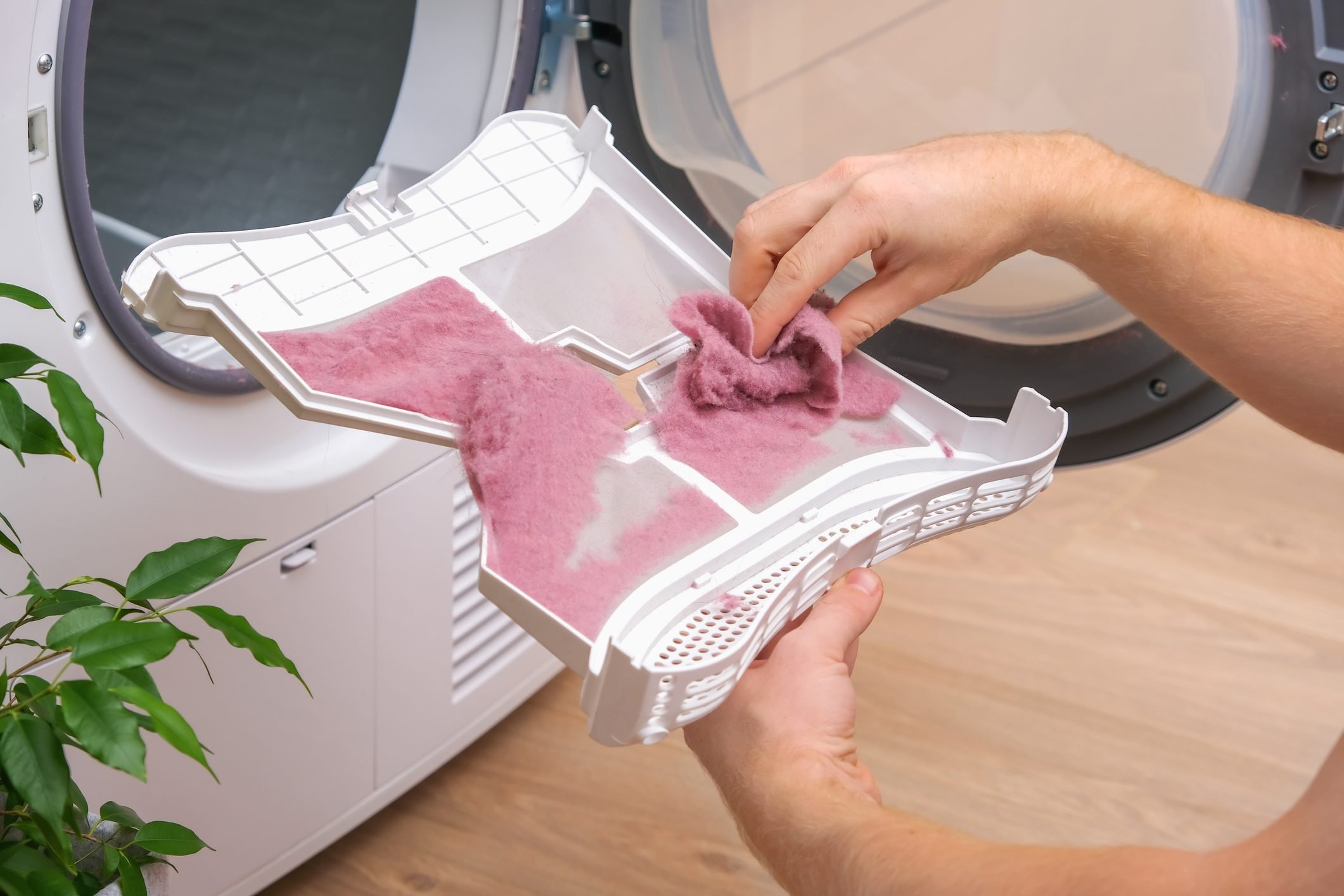
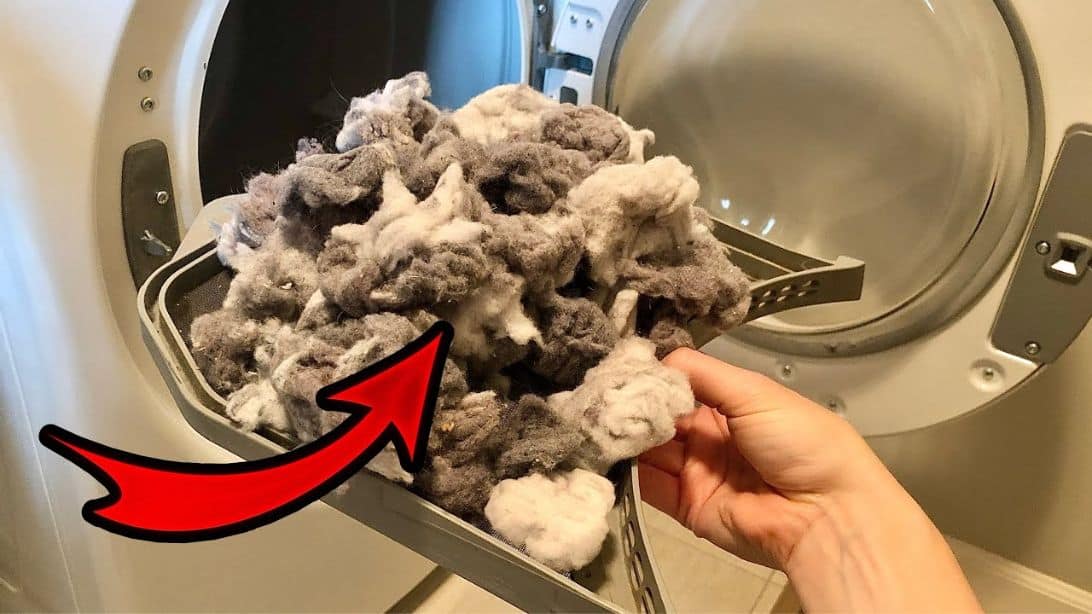
Lint manifests in a few key places. The most obvious is the lint trap, that screen you (hopefully!) pull out after every load. But lint also accumulates inside the dryer drum, around the edges of the door, and most dangerously, in the dryer vent duct that leads from the back of your machine to the outside of your house. Common signs of excessive lint buildup include clothes taking an unusually long time to dry, the dryer feeling excessively hot to the touch, a burning smell during operation, or seeing excessive lint on your freshly dried clothes. These are all alarm bells signaling that it's time for a lint intervention.
Must Read
So, how do you effectively wage war on this fluffy foe and enjoy your dryer more effectively? The first, non-negotiable step is to clean your lint trap after every single load. Seriously, every single one. For a deeper clean, occasionally scrub the screen with a brush and soapy water to remove fabric softener residue that can reduce airflow. Next, take a vacuum cleaner with a narrow attachment and vacuum out the lint trap housing, reaching as far down as you can. Every few months, pull your dryer away from the wall (carefully!) and disconnect the vent hose. Vacuum around the vent opening on the dryer and the wall. For the dryer vent duct itself, invest in a specialized dryer vent cleaning brush kit. These typically come with flexible rods that screw together, allowing you to snake the brush deep into the duct from both ends – the dryer side and the exterior vent hood. Finally, don't forget to check and clean the exterior vent flap to ensure it's not clogged. Considering a professional dryer vent cleaning every 1-3 years is also a wise investment, especially if you have a long or convoluted vent system. By making these simple, yet crucial, steps part of your routine, you’ll keep your dryer running safely and efficiently, ensuring many more years of warm, fresh laundry joy.