
How To Get Electricity In A Shed

Ever found yourself fumbling around in your shed, flashlight clutched in your teeth, trying to find that one elusive screwdriver? Or perhaps you've dreamed of listening to your favourite tunes while tinkering away, but realised your shed's energy supply is, well, zero?
Your shed. It’s more than just a glorified storage locker, isn't it? It’s your creative escape, your tool sanctuary, your secret workshop where half-finished projects gather dust alongside grand ambitions. But let’s be honest, it’s a bit hard to feel like a master craftsperson or a DIY deity when you're working in the gloom, feeling around like a badger in a blindfold.
Why Bother Bringing Power to Your Humble Shed?
Think about it. Imagine a world where you don't have to squint to read the measurements on a piece of wood. A world where your power drill is always charged, ready for action, instead of perpetually flat. A world where you can actually see what you're doing after the sun goes down, without rigging up some elaborate system of fairy lights and hope.
Must Read
It's about making your shed a truly functional and enjoyable space. It's about safety (no more tripping over stray tools in the dark!). It's about convenience. And let's not forget the sheer joy of plugging in a little radio, making a cuppa with a small kettle, or even just having proper task lighting for those fiddly bits. Your shed deserves to shine, literally!
So, how do we sprinkle some electrical magic into that unassuming structure in your garden? Let's explore a few popular paths, from the quick fix to the full-blown commitment.
The "Just For Now" Solution: The Humble Extension Cord
Okay, let's start with the absolute easiest, "I need light now" option. The extension cord. It’s like borrowing a cup of sugar from a neighbour – super handy in a pinch, but not really a long-term strategy for baking your entire year's worth of cakes.

You plug it into an outdoor socket (or a very carefully protected indoor one) and trail it across the lawn. Pros? It's cheap, it's immediate, and it gets the job done for a quick visit. Cons? Oh, where to begin! It’s a trip hazard (especially after a few garden beers). It's not waterproof – a damp cord can be a serious danger, turning your shed into a less-than-sparkling hazard zone. And it’s not designed for continuous, heavy-duty use. Think of it as a sprint, not a marathon.
Use this for: Very occasional, light tasks in dry weather. Think charging your phone for five minutes or running a small fan on a scorching day. But please, for the love of all that's holy, unplug and put it away after each use!
The "Green & Mighty" Approach: Solar Power
Now we're talking clever! Imagine harnessing the power of the sun to light up your shed. Solar panels are like giving your shed its own tiny, personal power station, silently humming away and turning sunshine into usable energy. How cool is that?
You'll typically get a small solar panel that sits on your shed roof, hooked up to a battery inside. This battery then powers lights, charges small devices, and maybe even runs a radio. Pros? It’s incredibly eco-friendly, completely independent of your main house supply, and once it's set up, the "fuel" is free! No digging, no complex wiring back to the house.
Cons? The initial setup cost can be a bit more than a cheap extension lead. And you're relying on sunlight – so on really gloomy days or during the depths of winter, your power might be a bit limited. It's usually best for lower-power needs, not running a full-blown welding workshop.
Use this for: Lighting, charging cordless tool batteries, a radio, perhaps a small fan or device charger. Perfect for the casual hobbyist or anyone who loves the idea of being off-grid.
The "Serious & Steady" Move: Buried Cable
This is the big leagues. The grand design. If your shed is going to be a proper workshop, a dedicated office, or a place where you spend serious time with power tools, then running a dedicated, armoured cable underground from your house is the way to go. It's the equivalent of building a proper road instead of a muddy track.

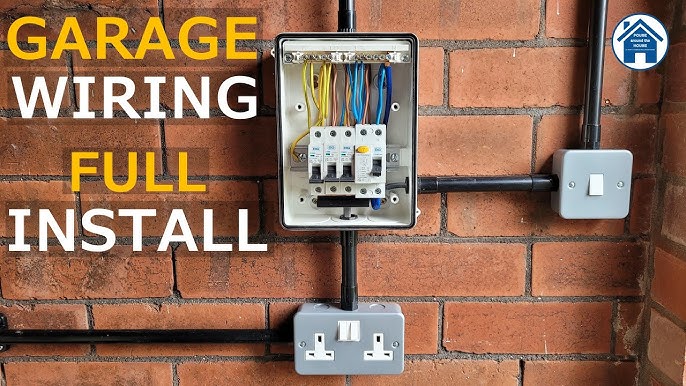
This involves digging a trench (yes, some good old-fashioned digging!), laying a special armoured cable, and connecting it to your house's electrical supply via its own fuse or circuit breaker. Pros? You get full, reliable power, just like in your house. You can run multiple lights, power tools, heaters – whatever your heart desires! It’s permanent, safe, and robust.
Cons? It's the most involved and usually the most expensive option. You’ll definitely need to consult a qualified electrician for this. They’ll ensure it's installed safely and meets all the building regulations (and trust us, you want those regulations followed!).
Use this for: A proper workshop, a garden office, a shed that needs consistent, high-power electricity, or if you just want peace of mind knowing it's done once and done right.

A Little Word on Safety (Because We Like You)
No matter which route you choose, safety is paramount. Electricity is a fantastic servant, but a terrible master. If you’re not confident with wiring, or if you’re opting for the buried cable route, please, please, please get a professional involved. It’s not just about avoiding a little shock; it’s about preventing fires and keeping you and your loved ones safe. Always ensure your shed has an appropriate Residual Current Device (RCD) for extra protection against electric shock.
Which Path Will You Pave?
So, which journey will your shed embark upon? Will it be a quick dash with an extension cord, a zen solar-powered haven, or a fully connected power palace?
Think about how you use your shed. Is it just for storing garden tools, or do you dream of spending hours crafting, building, or even just escaping with a good book and a warm brew? The right power solution will transform your shed from a dim storage box into a bright, welcoming, and endlessly useful extension of your home.
Go on, give your shed the gift of light (and power!). You – and your projects – will thank you for it!