
How To Get A Fire Alarm To Stop Going Off
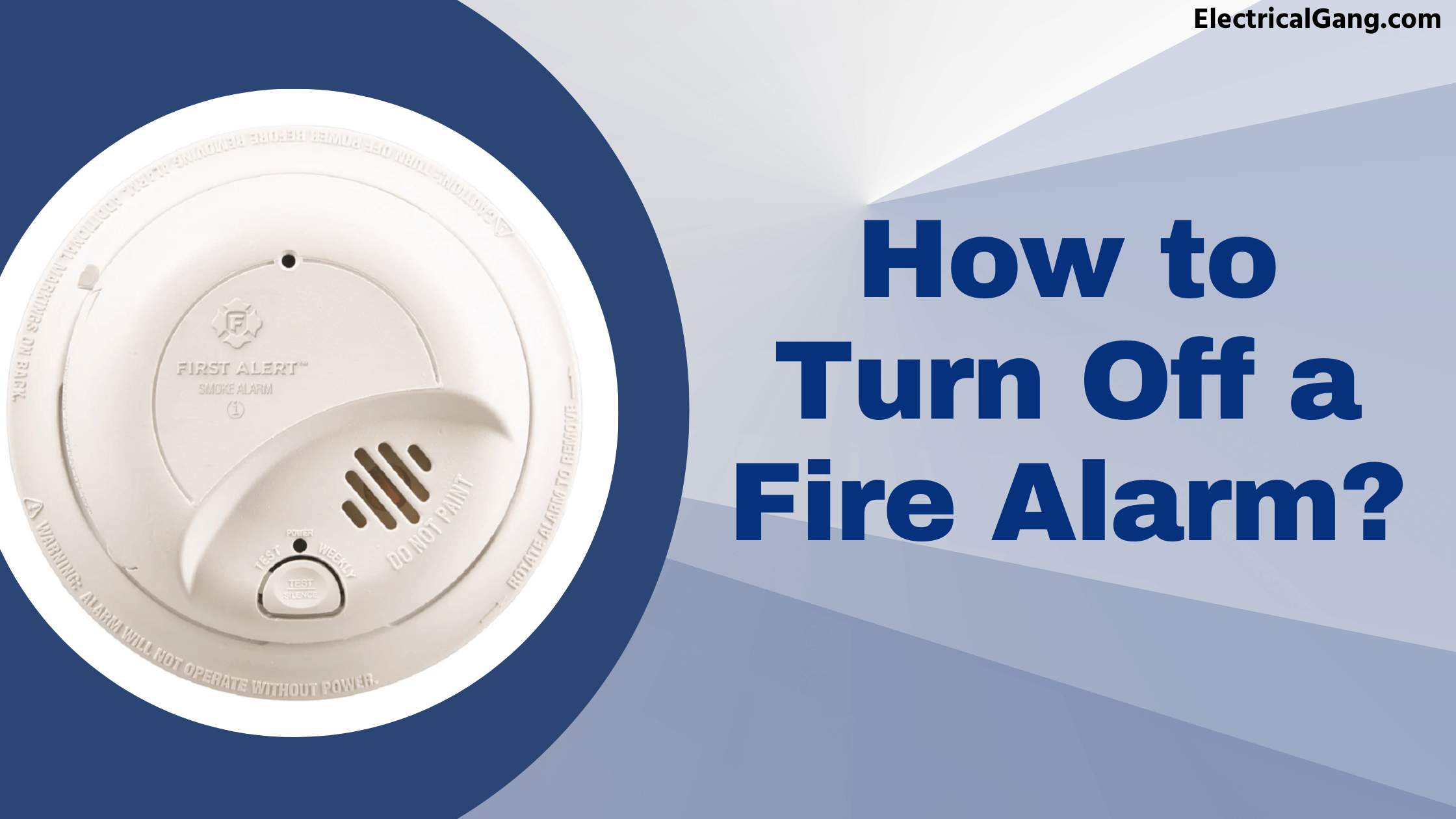
Ah, the unmistakable, ear-splitting shriek. We’ve all been there, right? You’re minding your own business, perhaps attempting a culinary masterpiece (or just making toast), when suddenly your home decides to transform into a high-pitched alarm clock from hell. That fire alarm, bless its vigilant heart, has decided it’s time to make itself heard. And in that moment, our first instinct usually isn’t "oh, how fascinating!" but rather, "make it stop!"
But hold on a second. While the noise itself can be less than charming, have you ever paused to think about what’s actually going on? These little guardians of our homes are pretty cool, if you think about it. They’re like tiny, vigilant bouncers for your airspace, constantly sniffing around for trouble. And knowing how to respectfully ask them to take a chill pill isn't just practical; it’s kind of empowering.
Why Is It Screaming At Me? Decoding the Racket
Before we learn to quiet our noisy friends, let's get a little curious about why they’re throwing a tantrum. Most often, it's not actually a raging inferno (thank goodness!). It's usually something a bit more... domestic. Burnt toast, a steamy shower, that experimental stir-fry that went a little too smoky. These everyday occurrences are the usual culprits.
Must Read
Your fire alarm is equipped with sensors, and these sensors are incredibly sensitive. Some are like tiny photographers, looking for smoke particles to scatter their light (these are called photoelectric alarms). Others are more like miniature Geiger counters, detecting changes in air ionization caused by invisible combustion particles (ionization alarms). Both are brilliant, each with its own superpower!
So, when you hear that piercing wail, it's essentially your alarm saying, "Hey, something's different up here! Better safe than sorry!" It's not trying to personally annoy you; it's just doing its job with extreme dedication. Think of it as a super-enthusiastic, albeit loud, personal assistant for your safety.
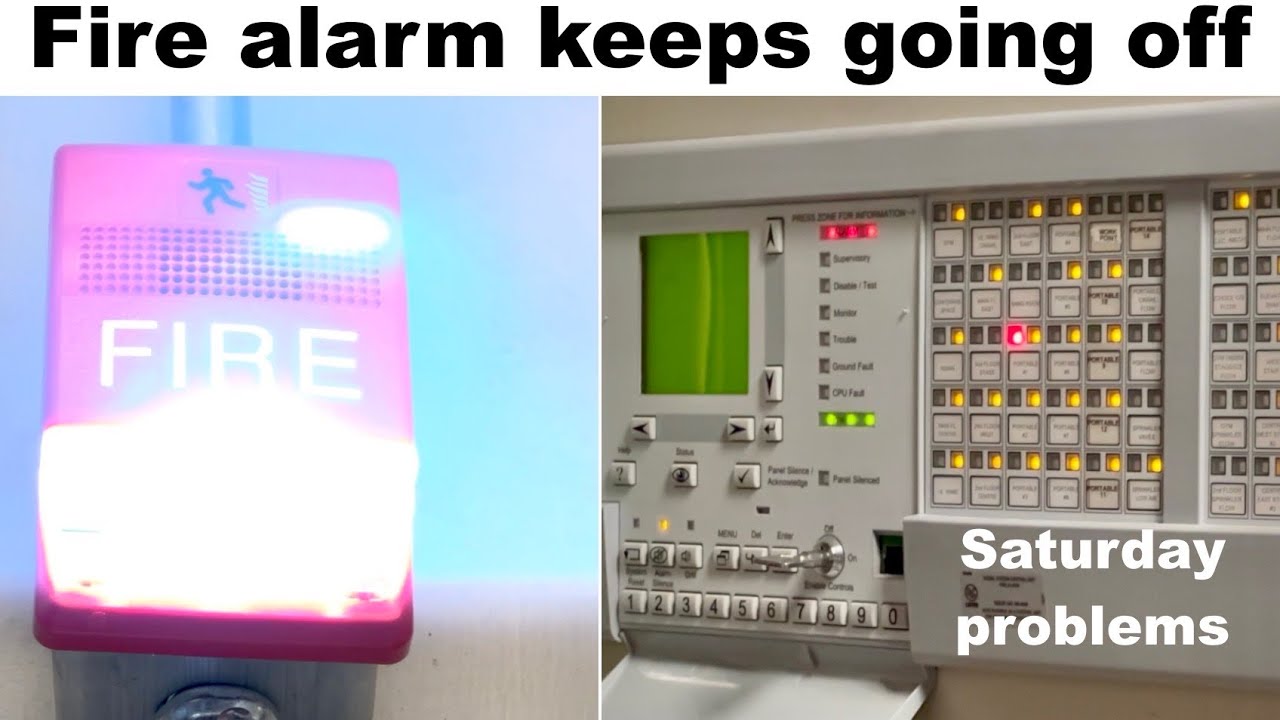
The Great Escape: Making It Stop (Without Panic)
Okay, the noise is still happening. Deep breaths. The first step, always, is to quickly and calmly figure out the source. Is it actually smoke from your cooking? Or maybe it's just steam from the bathroom making a run for it?
Ventilation is your secret weapon. If it’s something benign like cooking smoke or steam, open a window or door. Turn on the kitchen fan. Give your kitchen or bathroom a big, fresh breath of air. This helps clear the air around the sensor, letting it know that the "threat" has passed. Sometimes, a good old-fashioned tea towel waved gently beneath the alarm (gently! no hitting your safety device!) can help guide the clear air to the sensor.

Then, there's the magic button: the "hush" or "silence" button. Most modern alarms have one. It’s often the same button you use to test the alarm. Pressing this button will usually silence the alarm for several minutes, giving you time to clear the air without the continuous screeching. It’s like hitting snooze on a very important, very loud alarm clock. Just remember, it’s usually temporary, and if the smoke/steam persists, it might start yelling again.
When It Won't Quit: A Deeper Dive Into Troubleshooting
What if you’ve ventilated, pressed the hush button, and your alarm is still performing its solo opera? This is where a little more detective work comes in handy.
Check the power source. Many alarms are hardwired into your home’s electrical system but also have a backup battery. If the power flickered or went out, it might be running on battery and then struggle to reset. Sometimes, simply replacing the battery (usually a 9-volt square one) can do the trick, especially if you're hearing a lower-pitched, intermittent "chirp" rather than a full alarm. That chirp is usually the alarm's polite way of saying, "Hey, my battery is dying, help a safety device out!"
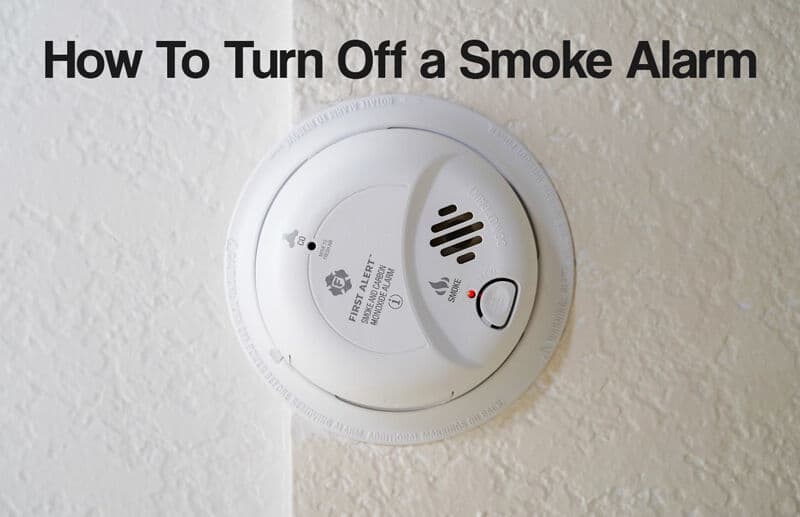
Dust bunnies and tiny invaders. Believe it or not, dust, dirt, or even small insects can sometimes accumulate inside the alarm’s sensing chamber. This can trick the alarm into thinking there’s smoke. A quick, gentle vacuuming around the vents or a blast of compressed air (following the manufacturer’s instructions, of course) can sometimes clear this up. It’s like giving your bouncer a quick shower so they can see clearly again.
And finally, location, location, location! If your alarm is constantly going off for no good reason, it might be in an inappropriate spot. Alarms too close to kitchens, bathrooms, or even heating vents can be overly sensitive to normal household activities. Perhaps it needs a slightly different spot to chill out.
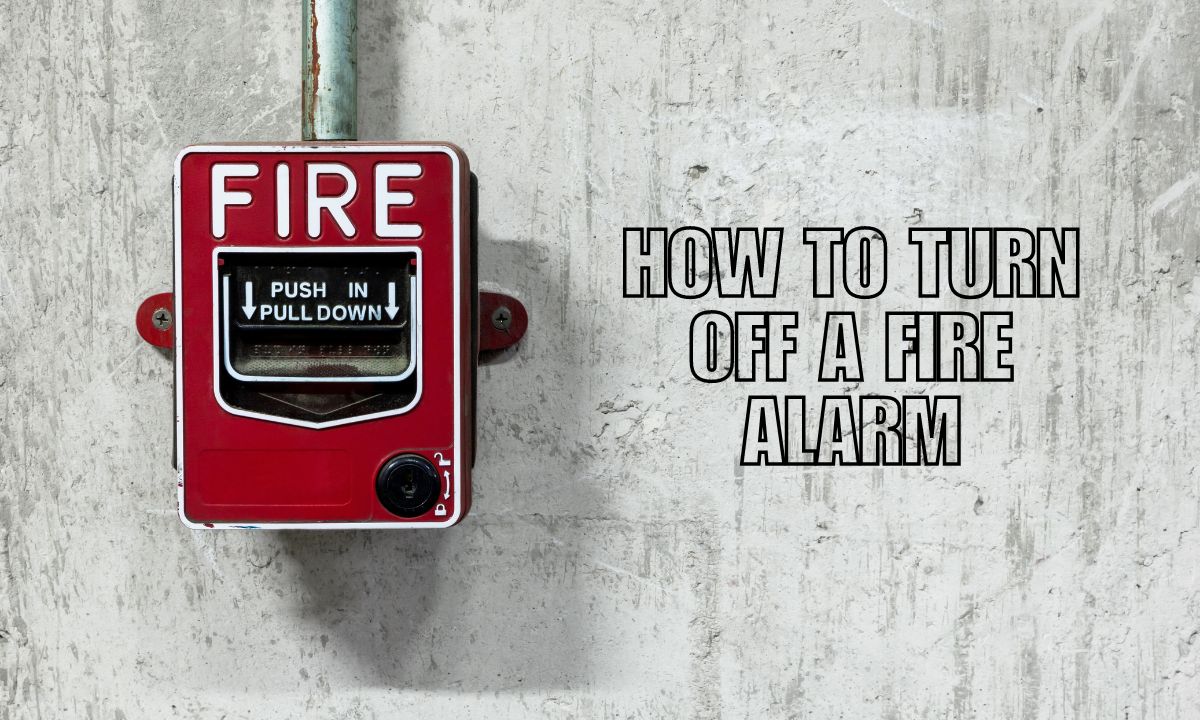
The Cool Factor: Why Bother Being Curious?
So, why is this all so cool and interesting? Because understanding these little devices transforms them from an annoying noise maker into a fascinating piece of protective technology. They’re designed with one incredible purpose: to give you early warning, potentially saving lives and homes. They are a testament to clever engineering, working silently (most of the time!) in the background, keeping a watchful eye.
Knowing how to gracefully handle a false alarm not only saves your ears but also gives you a sense of competence. You're not just reacting to a chaotic noise; you're understanding it and responding thoughtfully. You become a mini fire alarm whisperer, equipped with the knowledge to bring peace and quiet back to your home responsibly.
Next time that piercing shriek fills the air, instead of pure frustration, maybe a tiny spark of curiosity will ignite. You’ll know exactly what to do, why it’s happening, and appreciate the ingenious little device that just wants to keep you safe. Now go forth, conquer your false alarms, and enjoy your perfectly cooked (and un-alarmed) toast!