How To Generate Electricity Using Solar Energy
Okay, picture this: You're chilling on your patio, iced latte in hand, phone plugged into a portable charger, all powered by… the sun. Sounds like a futuristic utopia, right? Nope! It's totally achievable today with solar energy. Let's ditch the mystery and dive into how you can harness that big, fiery ball of awesome in the sky.
The Sun's Energy: Free and Totally Chic
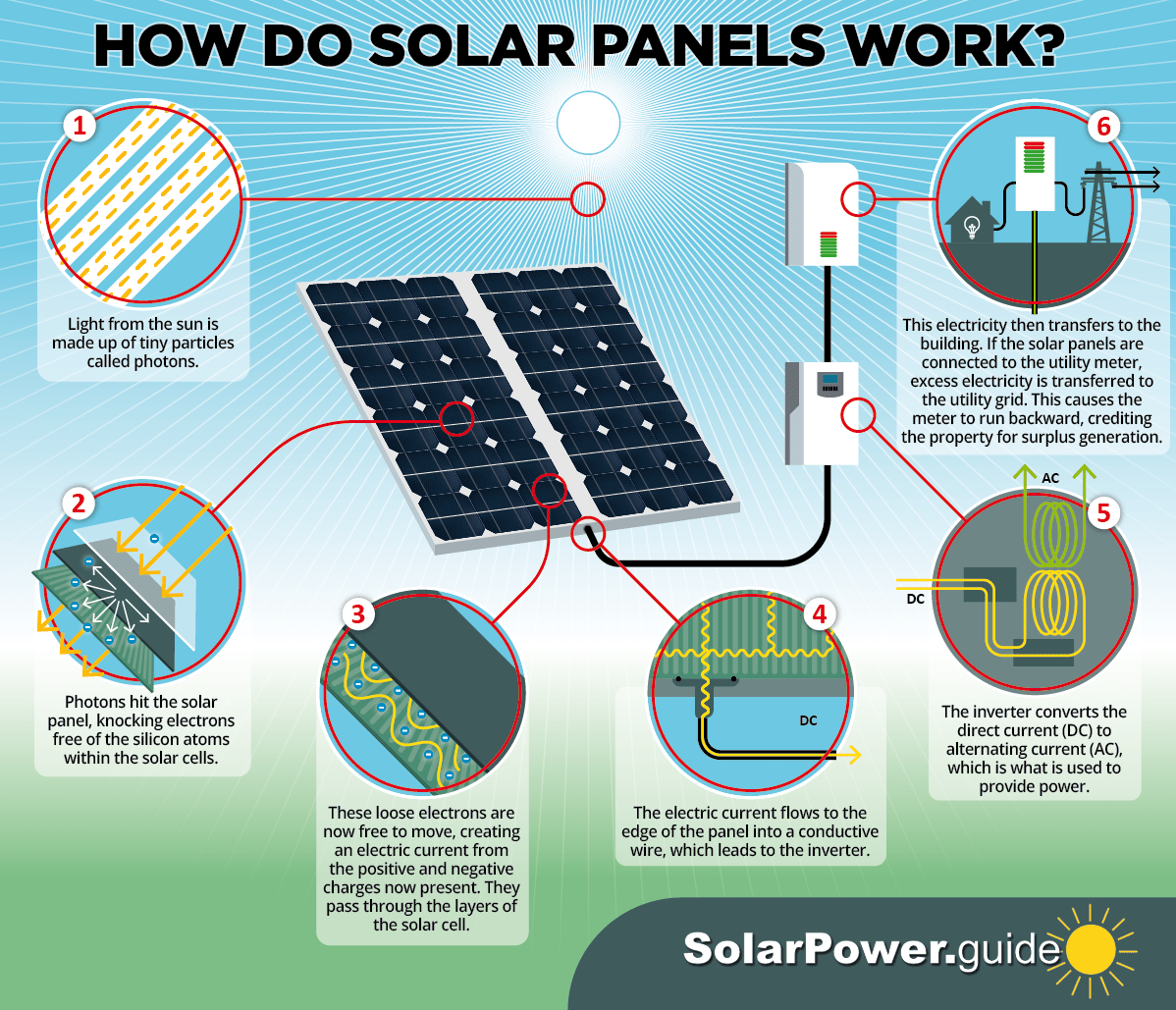
At its core, solar energy generation is all about converting sunlight into electricity. Think of it like photosynthesis, but instead of plants making sugar, we're making usable energy. The star of the show here are solar panels, also known as photovoltaic (PV) panels. These panels are made up of many smaller units called photovoltaic cells.
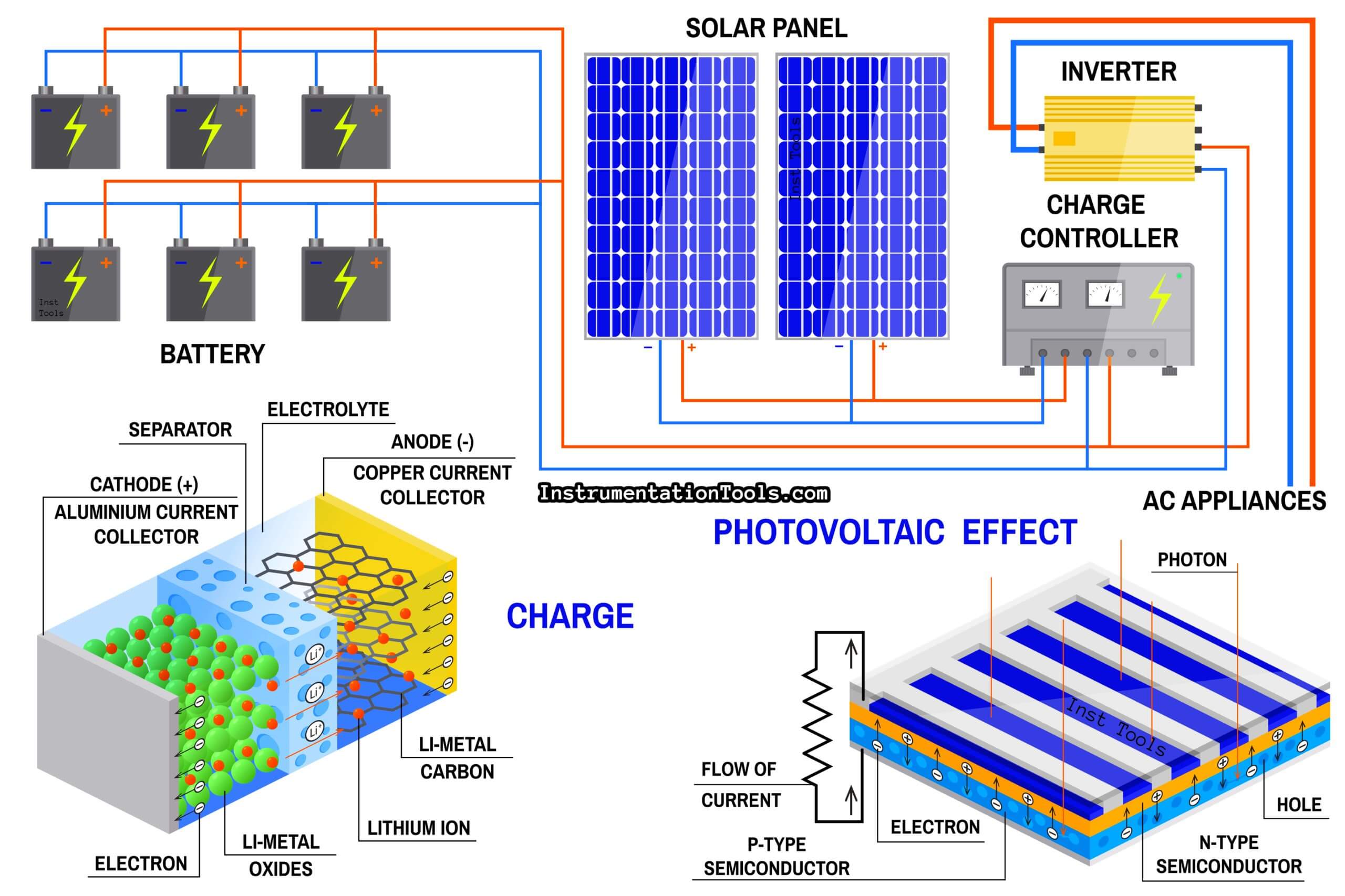
These cells are crafted from semiconductor materials (silicon is the most common). When sunlight hits these cells, it knocks electrons loose, creating an electrical current. This is called the photovoltaic effect. Pretty neat, huh?
Must Read
Breaking It Down: From Sunlight to Socket
Here's a simplified breakdown of the whole process:
- Sunlight Strikes: Photons (light particles) from the sun hit the solar panel.
- Electron Excitement: The photons excite electrons in the silicon, causing them to break free.
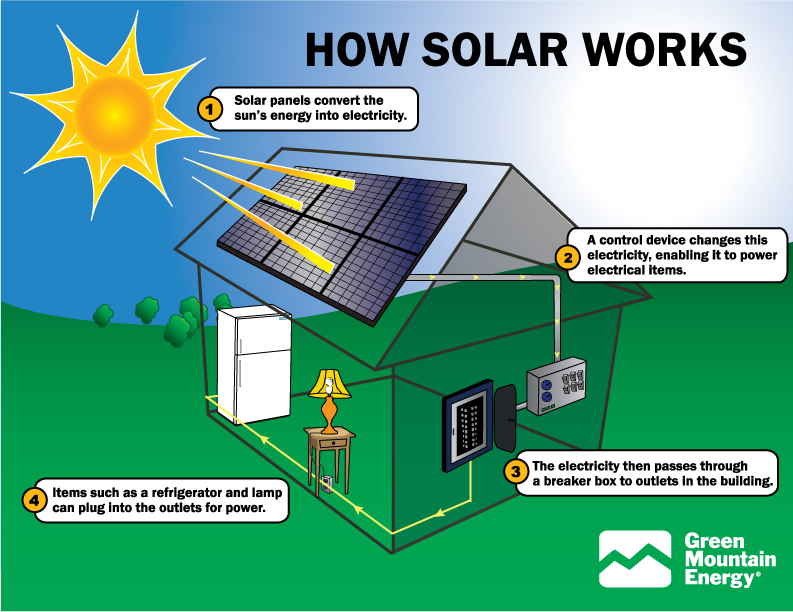
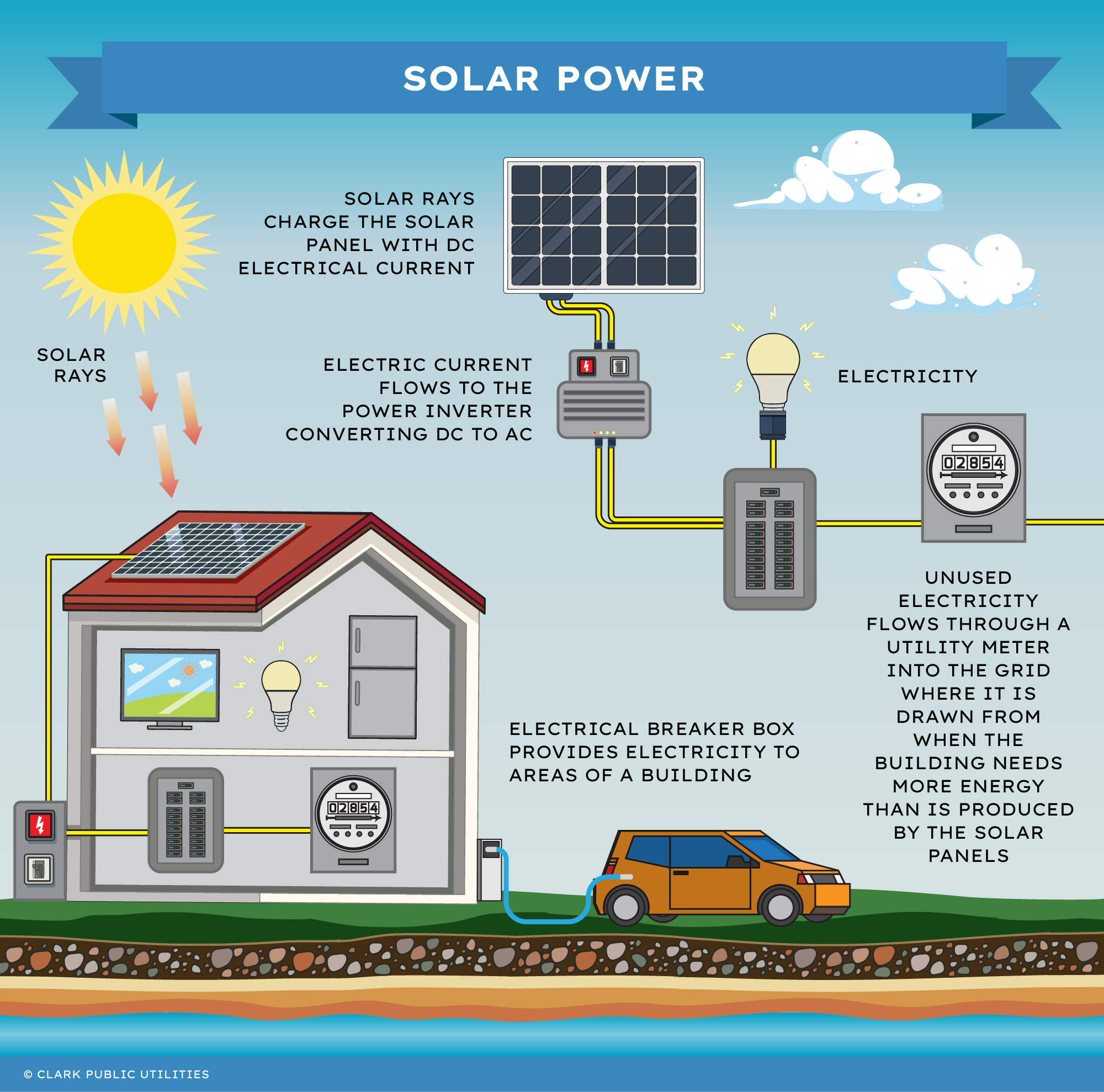
- Current Creation: These free electrons flow through an electrical circuit, generating direct current (DC) electricity.
- Inverter Magic: An inverter converts the DC electricity into alternating current (AC) electricity, which is what our homes and appliances use. Think of it as a translator between the sun's language and your appliances'.
- Powering Up (or Storing Up!): The AC electricity can then be used to power your home, business, or sent back to the grid (if you have a grid-tied system). You can also store excess energy in batteries for later use – perfect for those cloudy days or nighttime Netflix binges.
Getting Started: Practical Tips for the Solar Curious
Thinking about taking the plunge into solar? Here's a little starter kit:
- Assess Your Needs: How much electricity do you use? Check your electricity bill to get an idea of your energy consumption. This will help you determine the size of the solar panel system you need.
- Site Evaluation: How much sunlight does your roof (or yard) get? South-facing roofs are generally ideal in the Northern Hemisphere. Check for any shading from trees or buildings.
- Panel Selection: There are different types of solar panels, each with its own efficiency and cost. Monocrystalline panels are generally more efficient (and pricier) than polycrystalline panels. Thin-film panels are another option, often more flexible but less efficient.
- Inverter Choice: String inverters are a common choice for residential systems, while microinverters offer more individual panel monitoring and performance.
- Installation: Unless you're a seasoned electrician, leave the installation to the pros. Proper installation is crucial for safety and performance.
- Explore Incentives: Many governments and utilities offer tax credits, rebates, and other incentives to encourage solar energy adoption. Do your research!
Solar Today: More Than Just Rooftop Panels
Solar energy isn't just about rooftop panels anymore. We're seeing incredible innovation across the board:
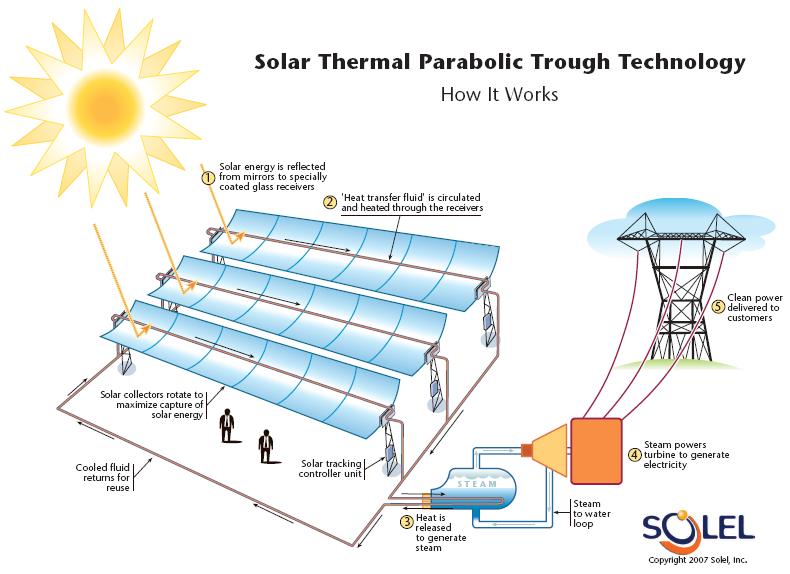
- Solar Farms: Large-scale solar power plants that generate electricity for entire communities.
- Portable Solar Chargers: Perfect for camping, hiking, or just keeping your devices charged on the go.
- Solar-Powered Cars: Prototypes are already hitting the road, and the future looks bright!
- Building-Integrated Photovoltaics (BIPV): Solar panels that are seamlessly integrated into building materials, like roof tiles or windows. Talk about stylish sustainability!
Remember that scene in Back to the Future II where Doc Brown powers the DeLorean with garbage? Okay, solar panels aren't quite that futuristic (yet!), but they're pretty darn close to science fiction becoming reality.
Is It Right for You?
Investing in solar panels is like investing in your future. While there's an upfront cost, the long-term benefits can be significant, including lower electricity bills, increased property value, and a reduced carbon footprint.
Plus, there is something deeply satisfying about knowing you are powering your life with the energy of the sun. It's a tangible connection to the natural world, and a step towards a more sustainable future. So, next time you feel the sun on your face, remember that incredible power – and consider how you can harness it for yourself.