
How To Fix Gas Leak In House

Alright, let’s talk about something that sounds a bit scary but can actually become a superpower of preparedness: knowing what to do if you suspect a gas leak. Now, I know what you’re thinking – "Gas leak? Fun? Impossible!" But hear me out. Being prepared isn't just responsible; it’s genuinely empowering. It turns a scary 'what if' into a confident 'I know what to do!' And that, my friend, is a recipe for a much happier, more secure home life.
Imagine this: you're cozied up at home, maybe binge-watching your favorite show or whipping up a culinary masterpiece. Suddenly, you catch a whiff of something… off. That distinctive, unmistakable rotten egg smell. Instead of freezing in panic, you spring into action, cool as a cucumber, because you've got the knowledge. That’s not just being safe; that’s being a home safety hero, and who wouldn’t want a bit of that glory?
Your Nose Knows: Detecting the Danger
First things first, how do you even know if you have a gas leak? Natural gas is naturally odorless, but gas companies add a chemical called mercaptan to give it that pungent, hard-to-miss scent – usually described as rotten eggs or sulfur. It's your home's early warning system!
Must Read
- The Smell Test: This is your primary alert. If you smell rotten eggs, trust your nose!
- The Sound Check: Hear a faint whistling or hissing sound near a gas line or appliance? That could be gas escaping.
- The Visual Cue: While less common for indoor leaks, look for things like dying plants around outdoor gas lines, or if you ever see bubbles in a puddle over an underground line, that's a definite red flag. Inside, though, it's mostly about the scent and sound.
See? Your senses are already incredible tools in your home safety toolkit. You're practically a detective!
Action Stations: Your Immediate Steps to Safety
Okay, so you suspect a leak. This is where your inner superhero takes over. And remember, the goal isn't to fix the pipe yourself (leave that to the pros!), but to fix the situation by eliminating danger and calling for expert help. You're the conductor of safety!
Here’s your no-panic, quick-action plan:

Step 1: Ventilate, Ventilate, Ventilate!
Open windows and doors. Do it immediately. Get that fresh air flowing. This helps disperse any accumulated gas and reduces the concentration, which is a big win for everyone’s safety.
Step 2: No Sparks Allowed!
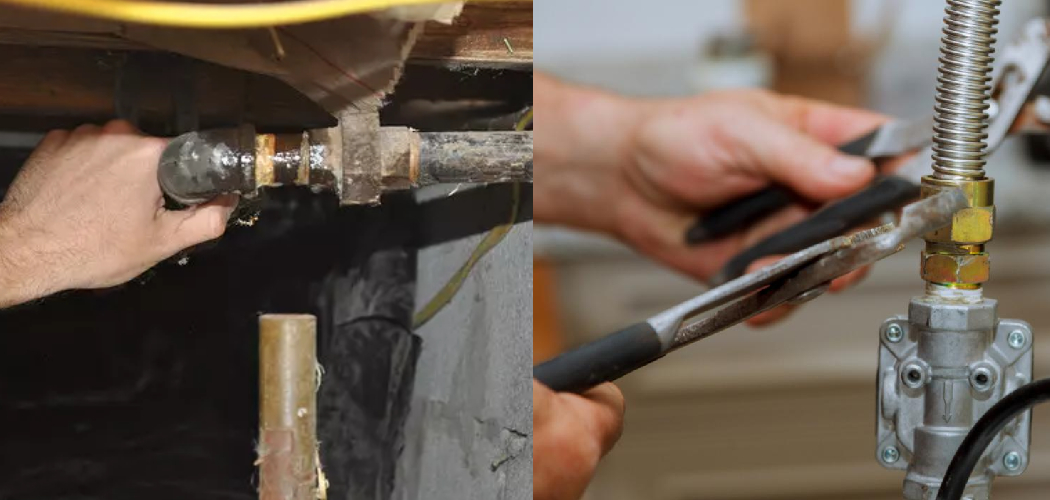
This is crucial! Gas is highly flammable, and even a tiny spark can ignite it. So, for the love of all that is safe:
- DO NOT turn light switches on or off.
- DO NOT use any electrical appliances, including your phone (until you're safely outside).
- DO NOT light matches, lighters, or candles.
- DO NOT unplug anything.
- Basically, if it makes a spark or uses electricity, hands off!
Think of your home as a temporary no-tech zone. A brief digital detox, if you will, but for a very good reason!
Step 3: Get Out, Stay Out!
Evacuate everyone immediately. That means all family members, pets included! Get outside to a safe distance – at least a few hundred feet away from the house. Your safety is paramount. Make it a brisk walk to safety, maybe even a fun little adventure for the kids (explaining the seriousness in an age-appropriate way, of course).

Step 4: Make the Call (From a Safe Distance!)
Once you’re well away from the house, call your gas company’s emergency number or 911/your local emergency services. They are the experts, and they will guide you further. Tell them everything you know. They’ll dispatch professionals to handle the actual leak repair.
Step 5: The Gas Meter (Optional, but Handy)
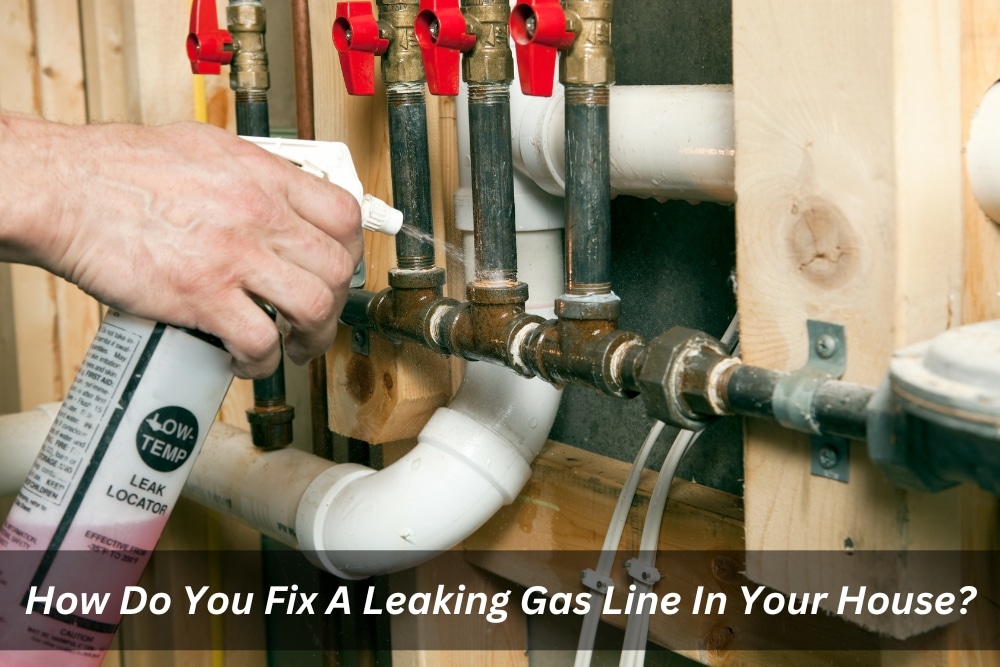
If you know where your main gas shut-off valve is, and it's safe to do so without re-entering the house or causing a spark, you can turn it off. This is a great piece of knowledge to have in general, but don't risk it if you have to go back inside or fumble in the dark. The emergency services can also do this for you.
The Uplifting Part: You’re a Preparedness Pro!
See? You just navigated a potentially stressful situation with grace and intelligence! That feeling of knowing exactly what to do? That’s empowerment right there. You've safeguarded your home, your loved ones, and your peace of mind.
This isn't just about fixing a leak; it's about building a foundation of readiness for anything life throws your way. It's about taking control, feeling confident, and transforming potential fear into actionable knowledge. You're not just a resident; you're a guardian of your domain, armed with information!
So, take a moment to pat yourself on the back. Then, keep that proactive spirit alive! Find out where your main gas shut-off valve is (and maybe label it!). Talk to your family about these steps. Share this knowledge. Because being prepared isn't just a chore; it's a way to live a fuller, more secure, and yes, even more fun life, knowing you've got this!