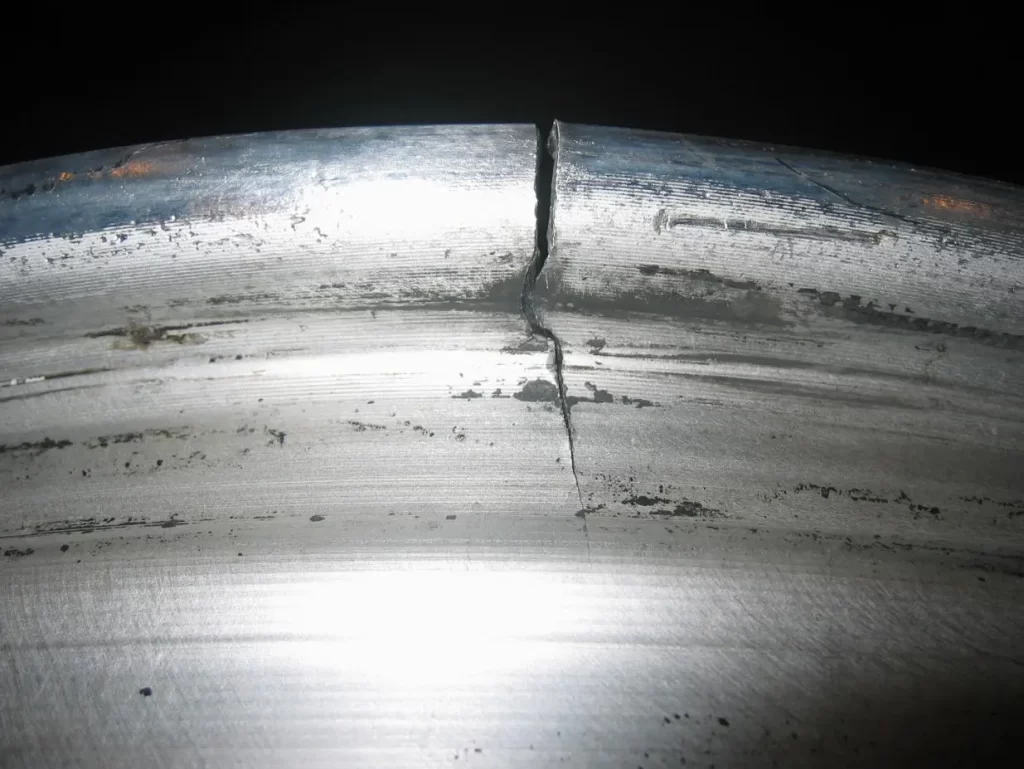
How To Fix Cracks In Aluminum

Ever gazed at your favorite aluminum patio chair, bicycle frame, or even a small boat, only to spot that dreaded spiderweb line – a crack? Don't despair! While it might seem like the end for your trusty gear, fixing cracks in aluminum is not only possible but can be a super satisfying and money-saving endeavor. It's like giving your beloved items a second chance at life, preventing them from ending up in a landfill and keeping more cash in your wallet. Plus, there's a certain pride in being able to mend things yourself, tapping into a bit of that old-school craftsmanship!
The main purpose of fixing an aluminum crack is simple: to restore the integrity and extend the lifespan of your item. Aluminum, being lightweight, strong, and corrosion-resistant, is a fantastic material, but like all metals, it can succumb to stress, fatigue, or impact. A small crack can quickly grow, compromising structural stability, leading to bigger problems, or even making the item unsafe to use. Imagine your bike frame failing mid-ride, or your boat leaking! By addressing these issues promptly, you're not just doing a patch-up job; you're actively ensuring the item's continued functionality and safety.
The benefits are clear. First, you get to save money. Replacing an aluminum item, especially something large like a ladder or an engine component, can be significantly more expensive than a repair. Second, it's a win for sustainability. Repairing means less waste and a smaller environmental footprint. Third, there's the undeniable joy of a successful DIY project. Learning a new skill or applying an existing one to bring something back from the brink is incredibly rewarding. You’ll look at that fixed item with a sense of accomplishment, knowing you’ve given it a new lease on life!
Must Read
So, how does one go about mending these metallic mishaps? The methods vary depending on the severity and location of the crack. For robust, high-stress applications, welding is often the gold standard. Techniques like TIG (Tungsten Inert Gas) welding are particularly effective for aluminum, offering strong, clean, and durable repairs. It’s a skill that takes practice, but the results are pretty incredible. For less critical repairs or smaller cracks, specialized epoxies or structural adhesives designed for metal can offer a strong bond without the need for heat. Sometimes, a combination of a patch and rivets might do the trick, especially for sheet aluminum. The key is always thorough cleaning and preparation of the cracked area to ensure the best possible bond or weld.
Before diving in, always do a little research specific to your item and the type of aluminum. Safety is paramount, especially if you're venturing into welding. But don't let that deter you! Fixing aluminum cracks is an empowering skill that turns a frustrating problem into a rewarding project. So next time you spot that unwelcome line, grab your tools, channel your inner engineer, and get ready to fix it up. Your trusty gear (and your wallet) will thank you!