
How To Fix Carbon Monoxide Leak In Furnace
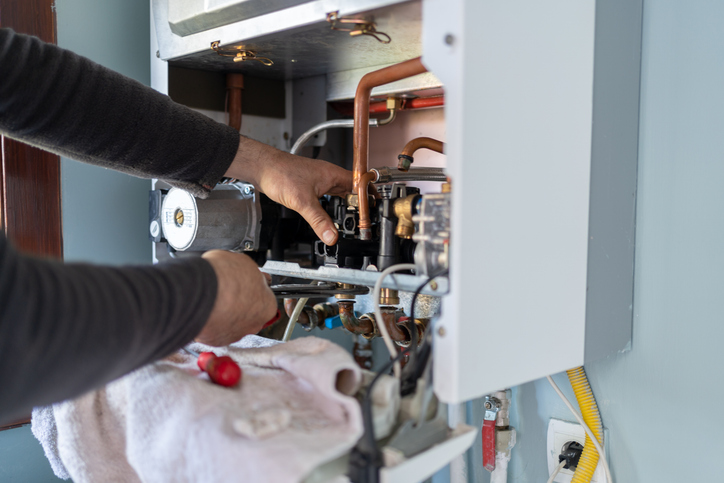
We all love our furnaces, right? They’re the unsung heroes of winter, humming away quietly in the background, keeping our homes toasty and our toes warm. But sometimes, even our best helpers can have a secret. A very important secret that everyone needs to know about. We're talking about a sneaky gas called carbon monoxide, or CO for short.
The Sneaky Scoundrel: Carbon Monoxide
Imagine something super dangerous that you can’t see, smell, or taste. That’s carbon monoxide! It’s truly an invisible ninja, but definitely not the fun kind. This tricky gas happens when things like natural gas, propane, or oil (the stuff your furnace burns) don't burn up completely. Your furnace has an important job to do, turning fuel into heat. But if something goes wrong, it can accidentally start making CO.
"It's like an invisible ninja, but not the fun kind. You won't know it's there without help."
And because you can't detect it with your senses, it can fill a room quietly, making it incredibly dangerous. That’s why understanding this silent guest and knowing what to do is super important for every homeowner. It’s about keeping your cozy haven truly safe and sound.
Must Read
Why Your Furnace Might Be Whispering Warnings
So, what makes a furnace start producing this tricky gas? Well, it could be a few things. Sometimes, a vent that carries exhaust gases outside gets blocked. Think of it like a car's exhaust pipe getting clogged. The fumes have nowhere to go but back into your home. Other times, a part inside your furnace, called the heat exchanger, might crack. This tiny crack can let combustion gases, including CO, mix with the warm air that gets blown into your rooms.
These aren't things you can easily spot with a quick glance. You shouldn't try to peek inside your furnace to find these problems yourself. That’s a job for trained eyes and special tools. It's truly something that needs a professional touch to diagnose and handle safely. Your safety is the most important thing here.
Telltale Signs: When Things Feel... Off
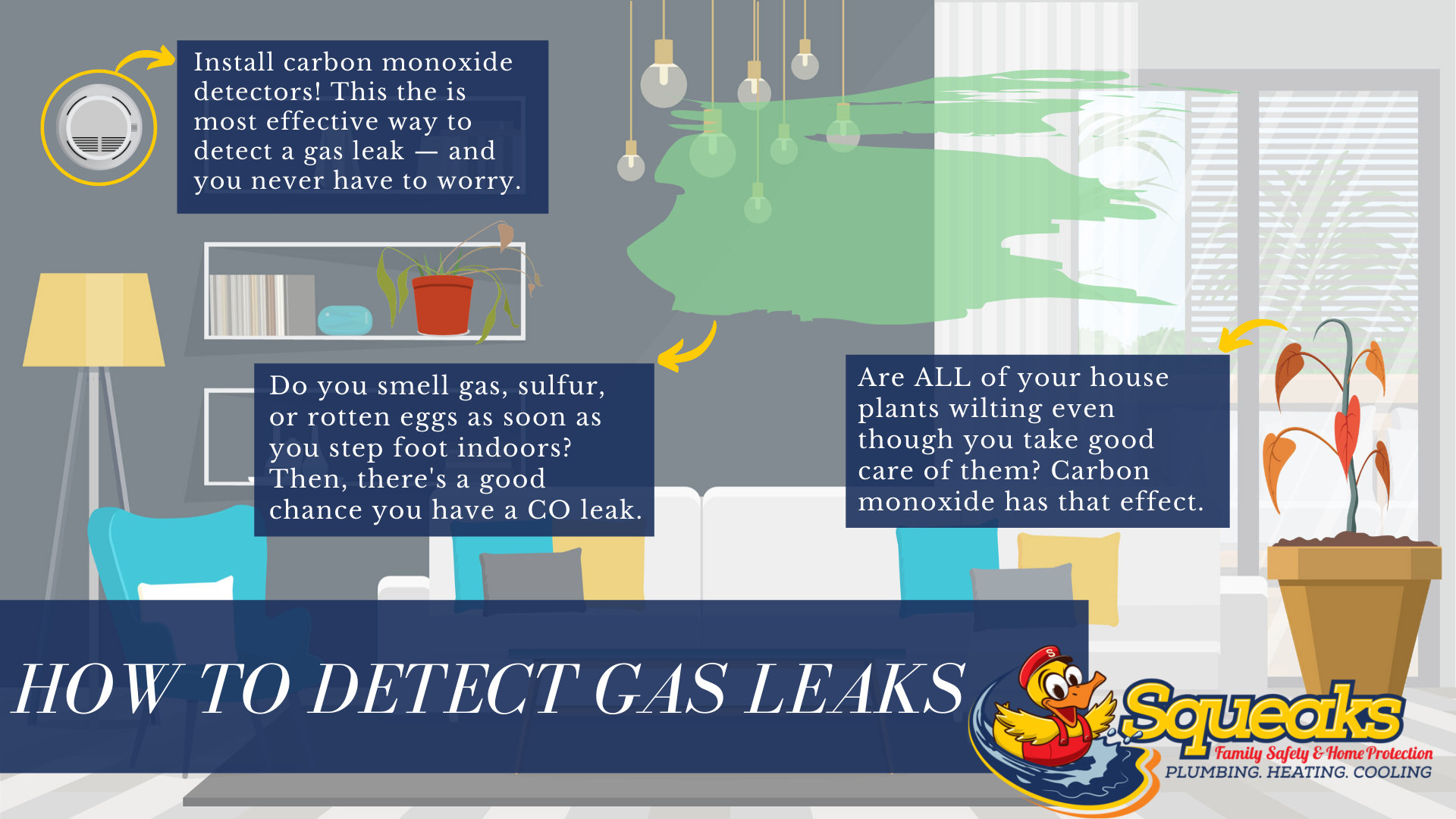
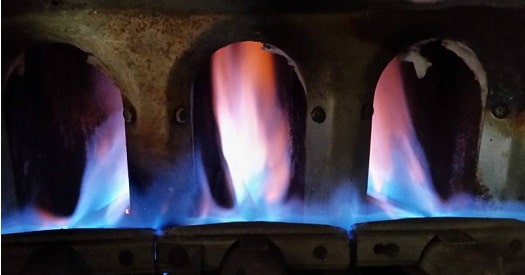
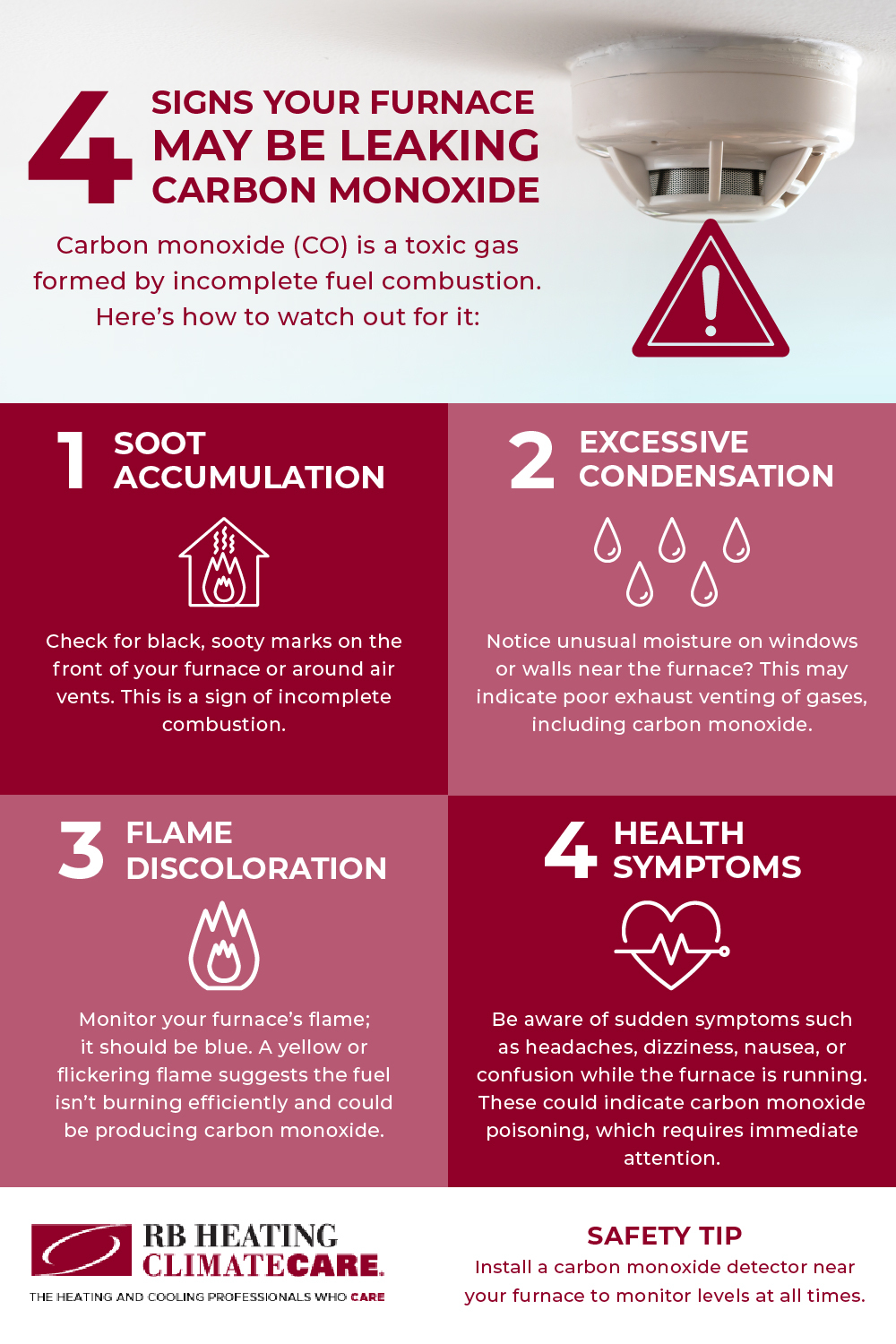
While you can’t smell or see carbon monoxide, your home and your body might give you clues that something is amiss. Around your furnace, you might notice some soot stains on or near the appliance. Maybe the pilot light on an older furnace looks yellow or orange instead of a crisp blue. Sometimes, you might hear unusual sounds, or the furnace might cycle on and off more often than usual. These are like little hints that your furnace isn't feeling its best.
Even more importantly, pay attention to how you and your family are feeling. Are you suddenly getting headaches? Do you feel unusually tired or dizzy when you're inside, but better when you step outside for some fresh air? Nausea, vomiting, and a general flu-like feeling are common symptoms. These aren't just minor aches; they are your body's alarm bells going off. If these symptoms seem to come and go with your time in the house, it's a huge red flag that you should never ignore.

"If you or your family feel sick, especially when inside, and better when outside, it's a huge red flag."
Remember, CO poisoning can mimic the flu, so it's easy to dismiss. But the key difference is that flu symptoms don't usually vanish the moment you get some fresh air.
Your Super-Important First Steps: The Real "Fix"
Okay, so you suspect a carbon monoxide leak. Maybe your CO detector just screamed, or perhaps you're experiencing those suspicious flu-like symptoms. What do you do? This is the most crucial part, and it's simpler than you think, because the "fix" isn't about touching your furnace at all. It's about immediate safety!
First and foremost, get everyone out of the house immediately. That means kids, grandparents, and even your furry friends. Don't waste time trying to grab coats or possessions. Just get out into the fresh air, far enough away from the house to be safe. Once you're outside and breathing clean air, then grab your phone and dial 911 or your local emergency services. Tell them you suspect a carbon monoxide leak. They are trained professionals who can assess the situation safely. Do not go back inside for anything until emergency personnel tell you it's safe.
"The absolute best fix you can do is get yourself and your loved ones to safety and call the pros."
After emergency services have cleared the building and made it safe, then it's time to call a certified HVAC (heating, ventilation, and air conditioning) professional. They will have the right equipment to find the leak, repair your furnace, and ensure it’s working safely again. This is not a DIY project; it's a job for experts who know how to handle these serious safety issues correctly.
Staying Ahead of the Game: Be a CO Hero
The best way to "fix" a carbon monoxide leak is to prevent it or catch it early. And that’s where the unsung hero of home safety comes in: the carbon monoxide detector. These amazing little devices are your furnace's best friend and your family's silent guardian. They constantly sniff the air for CO and will blast an alarm if they detect dangerous levels. It’s like having an invisible bodyguard that never sleeps.
"These detectors are not optional gadgets; they are vital pieces of home safety equipment."
You should place CO detectors near sleeping areas, so they can wake you up if a leak occurs during the night. It's also a good idea to have one on every level of your home. Test them regularly, just like you would a smoke detector, and change their batteries once a year. They are surprisingly affordable for the priceless peace of mind they offer. Think of them as cheap lifesavers that actively protect your family.
Another crucial step is to get your furnace checked every single year by a professional. This annual tune-up isn't just about making your furnace run better; it's a vital safety inspection. A technician can spot potential problems like blocked vents or cracks in the heat exchanger before they become dangerous. They ensure all the hidden parts of your furnace are working correctly and safely. This proactive step can literally prevent a leak from ever happening, making you a true CO hero.
So, while our furnaces keep us wonderfully warm, knowing about the silent threat of carbon monoxide keeps us truly safe. Stay alert, listen to your body, trust the pros, and protect your home with those invaluable detectors. A little awareness goes a long way in keeping your home cozy and secure.