
How To Fix A Stopped Up Drain

Ever stood there, toothbrush in hand, watching the water stubbornly refuse to budge down the sink? Or perhaps you’re mid-shower, feeling a small, unwelcome pond forming around your ankles? Yep, we’ve all been there. A stopped-up drain is one of those little household mysteries that can feel surprisingly frustrating. But what if I told you it’s actually kind of cool to fix?
Seriously! Think of your home’s plumbing system as its very own circulatory system, and a clog? That’s like a tiny traffic jam in the veins and arteries of your house. Learning to clear it yourself isn't just about saving a few bucks on a plumber (which, let's be honest, is a nice perk!). It’s about becoming a home detective, understanding the secret life of your pipes, and gaining a little superpower of self-reliance.
The Mystery of the Missing Water: Why Does This Happen?
Before we dive into solutions, let’s get curious about the problem itself. Why do drains decide to throw a tantrum? Most of the time, it’s a medley of the usual suspects: hair (the ultimate pipe villain), grease from cooking (which solidifies into a clingy, waxy mess), soap scum, and sometimes, just plain old dirt and debris. They all come together, slowly but surely, building a formidable barrier. It’s like a tiny dam being constructed right under your nose!
Must Read
So, when your drain slows down, it’s not just broken; it’s telling you a story about what’s been going through it. And you, my friend, are about to become the interpreter of that story.
First Stop: The Gentle Nudge (and a Little Science)
Don't reach for the heavy-duty chemicals just yet! Often, a clog just needs a gentle persuasion. Grab your kettle and boil some water. Then, pour a good amount of dish soap down the drain, followed by the hot, hot water. Think of this as giving your drain a warm, soothing bath. The dish soap is a degreaser, breaking down any oily residue, and the hot water helps melt and push things along. It’s simple, environmentally friendly, and often surprisingly effective for minor grease clogs.

The Classic Hero: The Plunger
Ah, the plunger. This unassuming tool is a marvel of physics. It doesn't just push; it creates pressure. When you plunge, you're creating a vacuum seal and then using rapid changes in air pressure to dislodge the clog. It's like giving your drain a rhythmic, pulsating massage, trying to jiggle that stubborn obstruction loose.
For a sink, make sure there’s enough water to cover the plunger's cup, creating a good seal. For a bathtub, you might need to cover the overflow drain with a wet cloth to ensure maximum suction. Then, it's just a matter of strong, consistent pushes and pulls. Don't give up after one or two! Persistence is key here. It’s a little workout for a big reward.
The Fizzing Volcano: Baking Soda and Vinegar
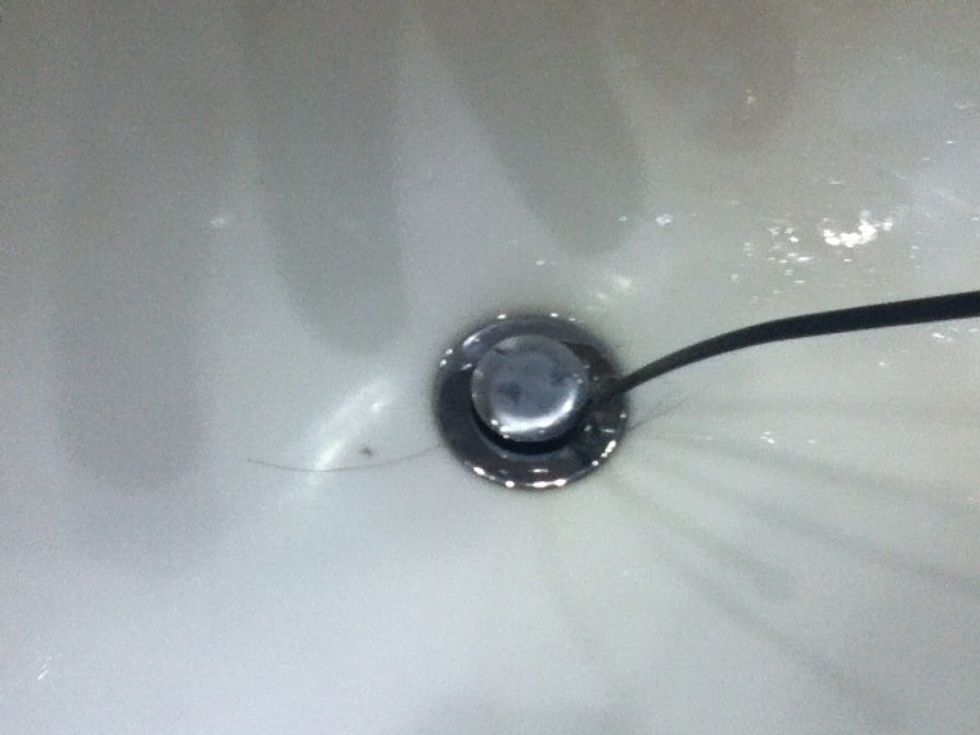
This one is pure kitchen chemistry, and it’s always a little bit exciting! First, pour about half a cup of baking soda down the drain. Let it sit for a few minutes. Then, follow it with about half a cup to a full cup of white vinegar. Now, stand back and listen! You’ll hear a satisfying fizzing sound.
What’s happening? You've just recreated a miniature volcano right in your drain! The baking soda (a base) reacts with the vinegar (an acid) to create carbon dioxide gas. This creates a powerful, bubbling action that can help break apart gunk and grime. Let it sit for at least 30 minutes, or even better, overnight. Finish off with another flush of hot water. It's a natural, non-toxic way to wage war on clogs.
Diving Deeper: The P-Trap Adventure
Okay, this is where the real detective work begins, and where you get to know the true anatomy of your sink. Look under your sink. See that U-shaped pipe? That’s called the P-trap. Its job is crucial: it holds a small amount of water to create a seal, preventing sewer gases from wafting into your home. But because of its shape, it’s also the most common place for larger items or accumulated gunk to get stuck.
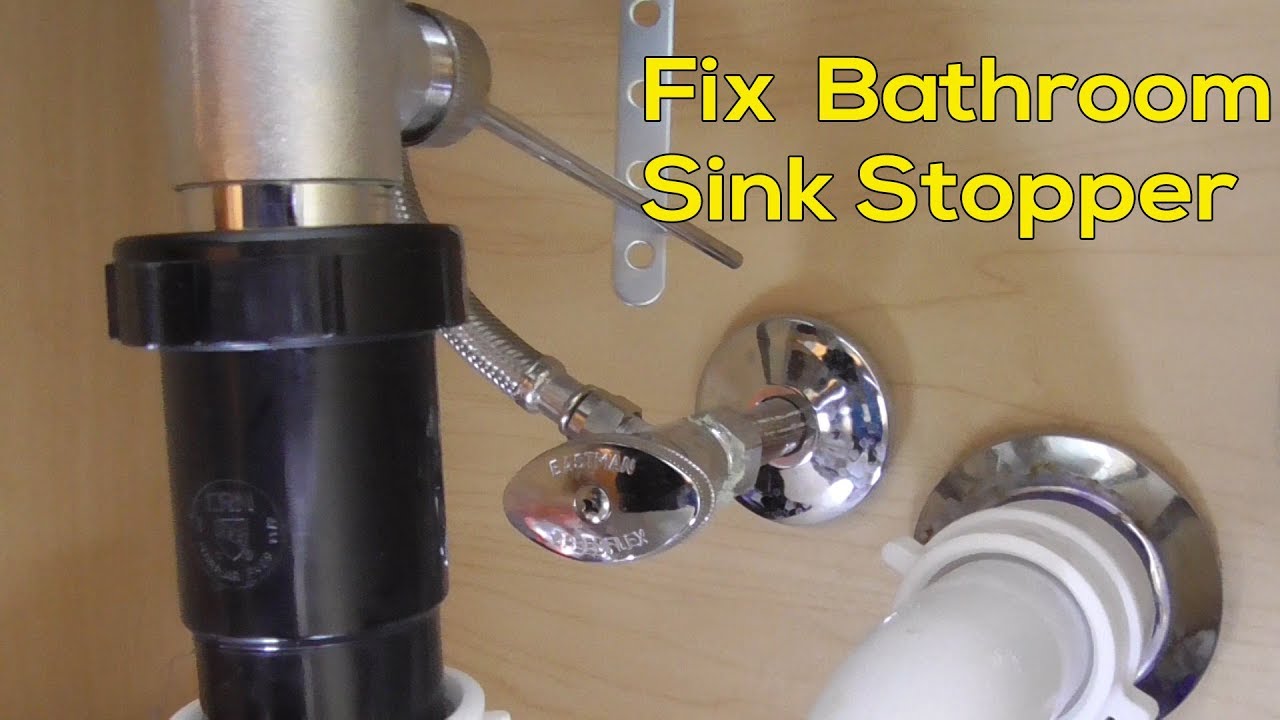
Before you start: grab a bucket and some gloves! Place the bucket directly under the P-trap to catch any water (and whatever else) that comes out. You'll usually see two slip nuts connecting the P-trap to the pipes above and below it. Use channel-lock pliers (or even just your hands if they're loose enough) to carefully loosen these nuts. Once loosened, gently pull the P-trap free.
Prepare for what you might find! This is often where the truly spectacular hairballs and lost treasures (earrings, bottle caps, small toys!) reside. Clean out the trap with an old brush or even a straightened coat hanger. Once clean, reattach everything, making sure the slip nuts are tightened securely to prevent leaks. Run some water to test. Congratulations, you’ve just performed minor surgery on your sink!
:max_bytes(150000):strip_icc()/replacing-tub-shoe-with-a-stopper-2718993-hero_23766-3b8ddbb54f5548408a073b65c366d159.jpg)
When to Call in the Big Guns
Sometimes, despite your best efforts and newfound plumbing prowess, the clog persists. Don’t feel defeated! Some clogs are simply beyond DIY, like those deep in the main sewer line, or caused by tree roots. If you’ve tried these methods and still have a stubborn blockage, it’s perfectly okay—and smart—to call a professional. They have specialized tools like augers and cameras that can diagnose and fix bigger issues.
The Best Fix: Prevention!
Once you’ve conquered a clog, the best way to keep your pipes happy is through prevention.
- Hair catchers: Simple, inexpensive strainers in your shower and sink drains are game-changers.
- Mind your grease: Never pour cooking grease down the drain. Let it cool and solidify, then scrape it into the trash.
- Regular flushing: Occasionally flush your drains with hot water, or even a baking soda/vinegar mix, as a maintenance routine.
So, the next time your water starts to back up, don’t just groan in frustration. Get curious! Grab your tools, put on your detective hat, and embrace the satisfying challenge of fixing a stopped-up drain. You might just discover a new appreciation for the hidden workings of your home, and a handy new skill to boot. It's a small victory, but hey, those everyday wins feel pretty good, don't they?