How To Fix A Septic Tank That Backs Up

Alright, let’s talk about something nobody ever wants to talk about: the dreaded moment your septic tank decides to stage a very messy protest and backs up. It’s like your house suddenly has a really bad case of indigestion, and trust me, it’s not pretty. That gurgle, that slow drain, that unmistakable... well, aroma. It can send shivers down your spine faster than a horror movie jump scare.
But hey, before you panic and decide to move into a tent in the backyard, take a deep breath! While it’s definitely a gross problem, it's often fixable, and understanding a few things can turn you from a quivering mess into a cool, calm, and collected problem-solver. Or, at the very least, help you know exactly when to call in the cavalry.
Why Should You Even Care About This Stinky Business?
Beyond the obvious "it smells awful and I can't use my toilet" reasons, there are a few genuinely good, and dare I say, fun reasons to nip this in the bud. Think of it like this:
Must Read
- Your Happy Home Oasis: Nobody wants their morning shower to turn into a foot bath. A happy septic system means happy showers, happy dishwashing, and happy flushing. It’s about maintaining your sanctuary, not turning it into a swamp creature’s lair.
- Protecting Your Wallet: Ignoring a backup is like ignoring a tiny leak in your roof – it might seem small now, but left unchecked, it can lead to bigger, much more expensive problems. We're talking drain field replacements, which are basically the septic system's equivalent of open-heart surgery. Ouch!
- Being a Good Neighbor (to the Earth): Your septic system treats wastewater, preventing all sorts of yucky stuff from contaminating groundwater and local waterways. Fixing a backup isn't just good for your home; it's a little high-five to Mother Nature. You’re basically an environmental superhero in disguise!
First Things First: Stop the Flood!
Okay, the water's not going down. Maybe it's even... coming up. Your absolute, no-questions-asked, first step is to stop using water. Seriously, every drop you send down a drain right now is just adding to the problem. It’s like trying to pour more coffee into an already overflowing mug. Shower? Nope. Dishes? Hold off. Laundry? Definitely not. Flush the toilet? Only if you enjoy watching a horror movie unfold in real-time.
This gives your system a much-needed break and prevents further overflow, giving you time to figure out what's going on.
A Little Detective Work: What's the Culprit?
Sometimes, the backup isn't a septic system issue at all! It could be a simple, localized clog. It’s like a traffic jam on a small street versus a major highway pile-up.
Check Your Toilets and Drains:
- One Toilet Troublesome? If only one toilet is backing up, grab your trusty plunger! It might just be a localized clog of too much toilet paper or something that shouldn't have been flushed.
- All Drains Acting Up? If every drain in your house is gurgling, backing up, or smelling funky, that's usually a bigger indicator that the problem is further down the line, possibly in your main sewer line or, yep, the septic system itself.
Take a Peek Outside (If You Dare!):
- Soggy Spots: If you notice really green, lush patches of grass, or even standing water, in your drain field area, that’s a big red flag. It means your drain field might be oversaturated or failing. It’s like your lawn is crying.
- That Smell: A strong septic odor around your tank or drain field is another sign that things aren't flowing as they should. It’s the septic system's way of yelling, "HELP ME!"
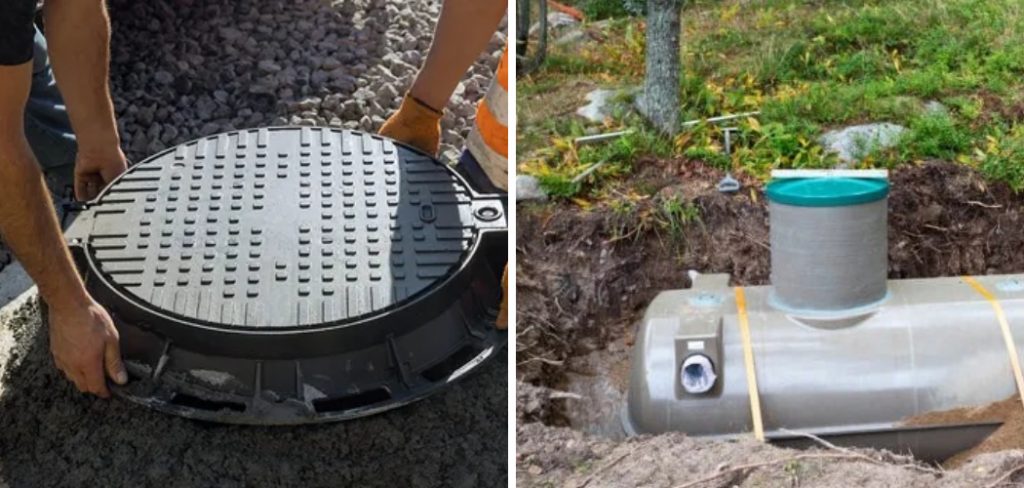
- Manhole Cover Issues: Sometimes, the ground around your septic tank's manhole cover might seem raised or disturbed.
When to Call in the Big Guns (A.K.A. The Pros)
Look, we all love a good DIY project, but some things are best left to the experts. If you've tried the simple steps, stopped water use, and the problem persists, or if you suspect it's a major system issue (like those soggy drain field signs), it's time to pick up the phone and call a septic professional. They have the specialized tools, the know-how, and frankly, the willingness to deal with the truly gnarly stuff.

Don’t be a hero trying to dig up your entire yard if you’re not sure what you’re doing. You could make things worse, and nobody wants that. Think of them as the septic system's personal paramedics – they know exactly how to diagnose and treat the patient.
Preventative Magic: Keeping Your Septic System Happy!
Once you’ve wrestled your septic monster back into submission, let’s talk about how to prevent future revolts. It’s all about being a good septic system parent!
- Watch What You Flush: Your toilet is not a trash can. Seriously. No "flushable" wipes (they lie!), feminine hygiene products, diapers, paper towels, cat litter, or dental floss. Only pee, poop, and toilet paper (in moderation!). Treat your septic like a sensitive stomach.
- Beware the Grease Monster: Pouring grease down the drain is like inviting a sticky, clumpy monster to live in your pipes and tank. It solidifies and causes blockages. Scrape grease into the trash instead. Your pipes will thank you!
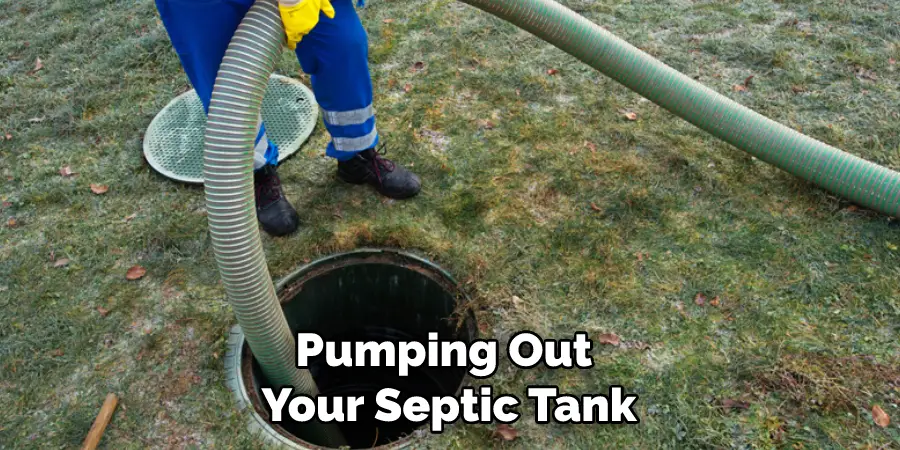
- Pump It Up (Regularly!): This is probably the most important maintenance step. Septic tanks need to be pumped out every 3-5 years, depending on your household size and tank capacity. This removes the solid waste that accumulates, preventing it from overflowing into your drain field. It's like taking your car in for an oil change.
- Conserve Water: Less water going into your system means less stress on your system. Shorter showers, fix leaky faucets, run full loads of laundry and dishes. Every little bit helps!
- Mind Your Drain Field: Don't park cars or heavy equipment over it. Don't plant trees or shrubs with deep roots nearby (they'll invade!). Keep it free from excess water runoff from gutters.
A backed-up septic tank is a truly unpleasant surprise, but it doesn't have to be a total disaster. By understanding the basics, knowing when to act (and when to call a pro), and adopting some good habits, you can keep your home flowing smoothly and avoid those stinky, stress-inducing moments. Here's to clear pipes and happy homes!