
How To Fish For Bass In Winter

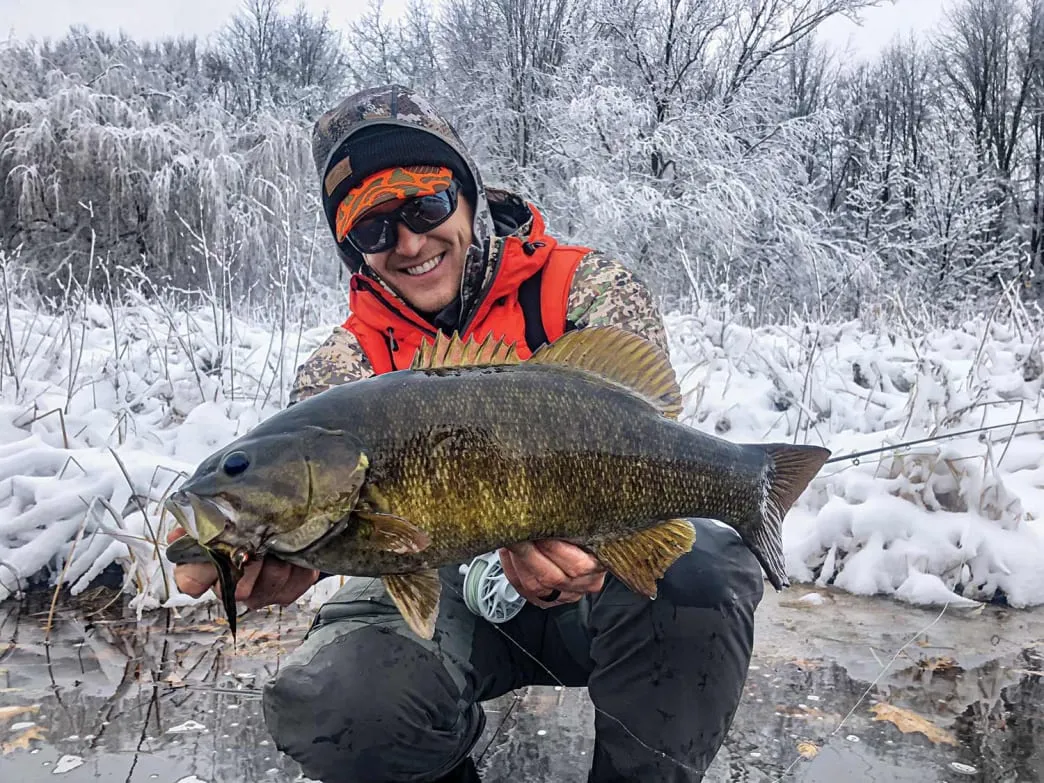
Okay, picture this: it’s a frosty Saturday morning. Your breath is puffing out like a cartoon character, your fingers are already regretting leaving the warmth of your sleeping bag, and the coffee in your thermos is doing a valiant, but ultimately losing, battle against the biting air. You’re standing on the bank, or maybe shivering in a boat, staring at a body of water that looks about as inviting as a tax audit. Ever been there? Yeah, me too. My last winter trip, I swear my eyelids froze open for a second. But then, it happened. A subtle thump. A quick set. And suddenly, my rod was bent, and a beautiful, chunky largemouth was thrashing on the surface. That feeling? Pure, unadulterated triumph. It was a reminder that while winter fishing is a different beast, it’s one you absolutely can, and should, tame.
See, a lot of folks pack away their rods when the mercury drops, convinced that bass disappear into some kind of cold-water Narnia. But here's the kicker: bass are still there, still eating, and often, the ones you catch are absolute tanks. They're just playing a different game, a slow, strategic game, and if you learn their rules, you might just have some of the most rewarding fishing of the year. Let's dive in, shall we?
Why Bother? The Winter Bass Challenge (and Reward)
Honestly, it's not for the faint of heart. You're trading comfort for potential glory. But seriously, the reward is twofold: first, the lakes are often practically empty. Solitude! Second, winter bass are often larger, less pressured, and when you do hook one, it feels like you've cracked a secret code. You become part of an exclusive club, the crazy ones who brave the cold for that unique bite. Plus, think of the bragging rights.
Must Read
Think Like a Cold Bass: Understanding Their Winter Mood
Imagine you've just eaten Thanksgiving dinner. Now imagine it's Thanksgiving dinner, but it's also freezing outside, and you've decided to just chill on the couch for a few months. That's a winter bass. Their metabolism slows way down, meaning they don't need to eat as often, and when they do, they're not going to chase anything. They want an easy meal. This is crucial, my friend. This is your guiding principle.
Where The Heck Are They Hiding? Location, Location, Location
Remember that "couch" analogy? Bass are looking for comfort. That means they’re generally going to be in deeper water, where temperatures are more stable. We're talking creek channels, ledges, humps, and deep points. But it's not just depth. Look for cover within those deep areas: brush piles, rock formations, standing timber. These spots provide ambush points and a sense of security.

Also, keep an eye out for areas that might warm up even slightly during the day. Think north-facing banks (which get more direct sun in winter in the Northern Hemisphere), dark-bottomed coves, or any kind of rock that absorbs heat. Even a degree or two can make a difference. Bass are surprisingly particular about their real estate.
The Menu for Mellow Bass: Lure Selection
Since they're not chasing, your lures need to be slow, subtle, and incredibly tempting. Forget your fast-moving crankbaits and buzzing topwaters for now. We're thinking finesse.

Jigging Spoons: Oh, the humble jigging spoon. This bad boy is a winter staple. Drop it to the bottom, give it a sharp hop, and let it flutter back down. That flutter imitates a dying shad, and believe me, a dying shad is an easy meal. Experiment with sizes and colors, but silver or chrome are often winners.
Ned Rigs: If there's one finesse rig that shines in cold water, it's the Ned. A small, mushroom-shaped jig head paired with a tiny, buoyant soft plastic. Cast it out, let it sink, and then literally just drag it or make tiny hops on the bottom. The upright posture of the plastic is incredibly enticing. It's subtle, it's slow, it's deadly.
Blade Baits: Think of these as a slightly more aggressive jigging spoon. They have a tight vibration on the retrieve or lift, which can trigger reaction strikes even from sluggish bass. Great for covering water, especially if you're trying to locate schools. A slow lift-and-drop retrieve is key here.

Jerkbaits: Yes, jerkbaits can be awesome in winter, but with a major caveat: the pause. Cast it out, give it a few short jerks, then let it sit. And sit. And sit some more. We're talking 10, 15, even 20-second pauses. Seriously, count it out. That long pause, combined with the lure suspending perfectly, can be absolutely irresistible. It’s like a motionless snack just hanging there. Too easy.
A-rigs (Umbrella Rigs): Where legal and appropriate, an A-rig with small swimbaits can be a phenomenal winter tool, especially for schooling bass in open water. Just remember to retrieve it super slow, almost like you're reeling through mud.
Slow and Steady Wins the Race: Retrieve Tactics
This cannot be stressed enough: slow down. If you think you're going slow enough, go slower. Winter bass aren't chasing; they're ambushing. Your lure needs to be in their strike zone for as long as possible, appearing as an effortless meal. Most bites will feel like a slight "thump," a sudden weight, or sometimes, just nothing – your line just goes slack. Pay attention to every little anomaly. Every single one.
Don't Forget the Essentials: Gear & Mindset
You'll want a sensitive rod, ideally a medium-light to medium power with a fast tip, to detect those subtle bites. Lighter line (6-10 lb fluorocarbon is common) will give you better feel and less visibility. And for heaven's sake, dress in layers! Hypothermia is not a good fishing buddy. Bring hot coffee or tea, hand warmers, and don't forget your hat and gloves. Finally, and this is perhaps the hardest part: bring patience. Lots of it. Winter bass fishing is a marathon, not a sprint.
So, the next time that frosty morning rolls around and your warm bed calls your name, remember that chunky bass waiting just beneath the surface. With the right approach, a little bit of grit, and a whole lot of patience, you might just find that winter bass fishing isn't just doable—it's incredibly rewarding. Go on, give it a try. What have you got to lose, besides a little warmth and maybe a finger or two? (Kidding! Mostly.)