How To Find Out Who Your Energy Supplier Is

Ever felt like a detective, piecing together clues to solve a mystery? Well, maybe finding out who supplies your energy isn't quite as thrilling as uncovering a hidden treasure, but it's a surprisingly common and empowering task. Think of it as a mini-mission that puts you in control of your household finances and environmental impact. After all, who wouldn't want to know where their power comes from?
So, why bother embarking on this quest? Knowing your energy supplier offers several significant benefits. Firstly, it's crucial for understanding your bills. That confusing jargon suddenly becomes a bit clearer when you know which company is actually sending it. Secondly, it allows you to compare prices from other suppliers. You might be surprised to discover you're paying more than necessary, and switching could save you a substantial amount each year. Thirdly, and increasingly importantly, it empowers you to make informed decisions about renewable energy. Perhaps your current supplier relies heavily on fossil fuels, and you'd prefer to switch to a company with a greener agenda. Knowing your supplier is the first step in making that conscious choice.
We encounter situations where we need this information more often than we realize. Moving into a new home? You'll likely need to contact the existing supplier to set up an account in your name. Disputing a bill? Knowing the supplier is essential for making inquiries. Even if you're simply curious about your energy consumption, having your supplier's details readily available will streamline the process of accessing online portals and usage data.
Must Read
Now, let's get practical. How do you actually unearth this vital information? Here are some tried-and-true methods:
- Check old bills: This is the most obvious and often the easiest solution. Dig through your files (or email inbox!) for a recent energy bill. The supplier's name and contact information should be prominently displayed.
- Ask your landlord or letting agent: If you rent your property, your landlord or letting agent likely knows the energy supplier. Don't hesitate to reach out to them for assistance.
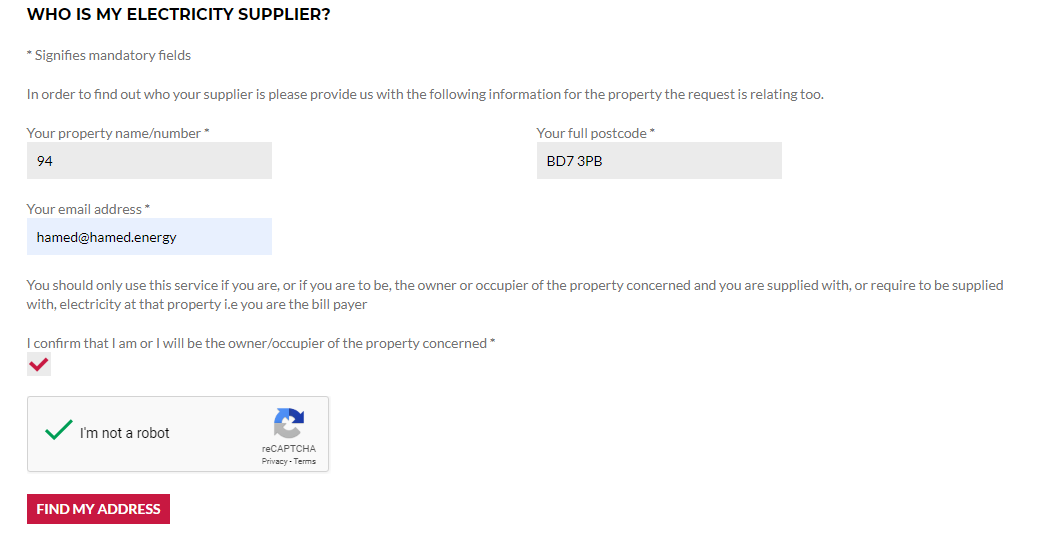
- Use the Ofgem supplier finder: In the UK, Ofgem (the energy regulator) provides a handy online tool to help you identify your supplier. You'll need to input your postcode and address, and it will point you in the right direction. Similar services often exist in other countries, so a quick online search for "[your country] energy supplier finder" should help.
- Contact the Meter Point Administration Service (MPAS): This service holds details of all electricity meters in the UK. While they won't directly give you the supplier's name due to data protection, they can provide you with your Meter Point Administration Number (MPAN), which you can then use to contact potential suppliers and confirm your current provider.
To make this process even more effective, keep a record of your energy supplier's details once you've found them. Store their name, contact number, and account number in a safe and easily accessible place. Consider creating a digital file or adding the information to your household budget spreadsheet. By being proactive and organized, you'll be well-equipped to manage your energy bills and make informed choices about your energy consumption. Remember, knowledge is power, and in this case, that power literally keeps the lights on! And maybe, just maybe, you'll feel a little bit like Sherlock Holmes after cracking the case.