
How To Find Moisture In House
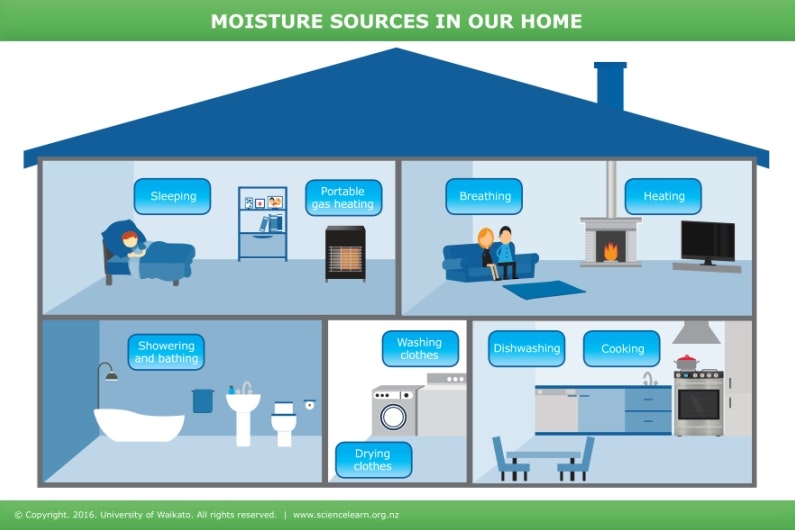
Ever feel like your home is a character with its own secret language? It whispers tales, sometimes soft and comforting, other times a little urgent. Today, we’re learning to listen for one particular whisper: the subtle signs of a sneaky house guest called moisture.
Think of yourself as a super-sleuth, donning your imaginary detective hat. Your mission, should you choose to accept it, is to find where this elusive moisture might be hiding. It’s less about plumbing diagrams and more about engaging your senses and a good dose of playful curiosity.
The Case of the Curious Nose
First up in our detective toolkit is your amazing sense of smell. Our noses are surprisingly good at sniffing out trouble, or rather, the unique aroma of dampness. It’s often the first clue that moisture has set up a secret hideout.
Must Read
Are you catching a whiff of something that reminds you of a forgotten forest floor after a good rain? Or perhaps an old, wet sponge left too long? This classic "musty" smell is a dead giveaway, like a calling card left by our sneaky friend.
Don't be shy; get down low! Sometimes the scent is strongest near the floorboards or behind forgotten furniture. It’s like following a scent trail, just like a seasoned tracking dog, but hopefully with fewer muddy paws involved.
"A truly dry home has no distinct 'smell' at all, which is the ultimate compliment to its freshness!"
Pay special attention to areas that don't get much air circulation, like basements, crawl spaces, or the backs of closets. These are prime locations for musty odors to develop their full, unmistakable bouquet. If a specific room or corner consistently smells a bit "off," it's time to investigate further.
That peculiar scent is often caused by tiny, invisible residents—mold spores—which thrive in damp environments. So, a musty smell is your home's polite way of saying, "Psst, over here! Something’s a little too cozy and wet!"
The Eagle Eye's Investigation
Next, let’s engage your eagle eyes. Visual clues are like little treasure maps, pointing directly to where moisture might be making itself comfortable. Look for anything out of the ordinary, no matter how subtle.
Those tell-tale water stains are often the most obvious sign. Are there mysterious blotches on your ceiling that weren’t there last week? Or perhaps a discolored patch on a wall, resembling an abstract painting you didn't commission? These are often the footprints of water.
Ceiling stains might look yellowish or brownish, sometimes with a distinct ring. Wall stains can also vary in color and often appear near the baseboards or around windows, hinting at a leak above or an issue with the window seal.
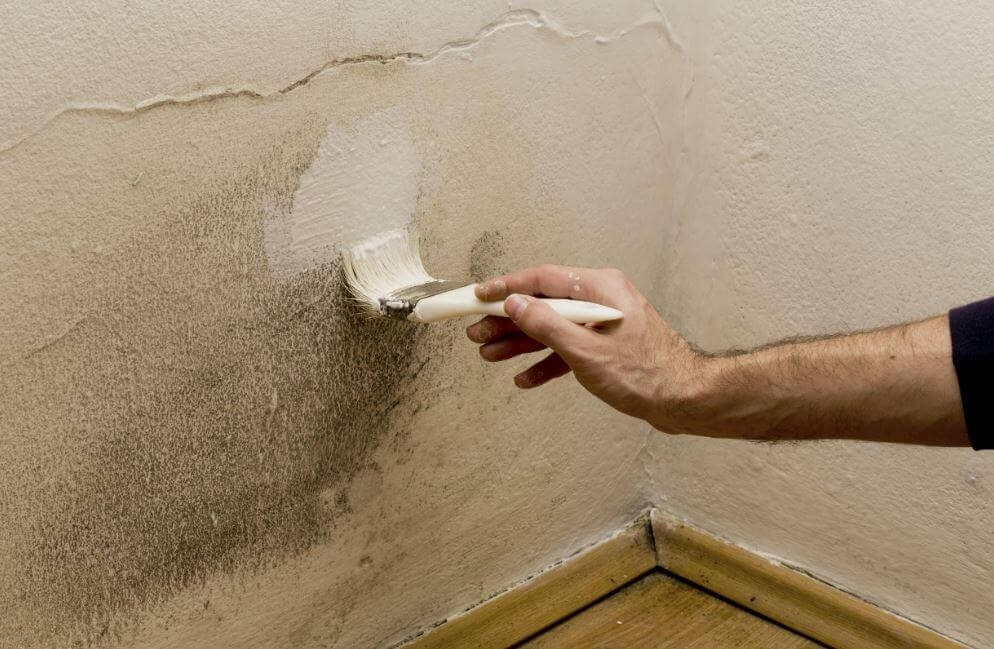
Don't forget to glance at your floors. Are any wood planks looking a bit wonky, buckling, or cupping upwards like tiny waves? This warping is a classic sign that the wood has absorbed too much moisture, puffing itself up in protest.
Even carpet can tell a tale. A dark, damp patch that never seems to dry, or an area that feels noticeably cooler and squishier than the rest, is shouting for your attention. Lift a corner if you can; you might be surprised by what you find beneath.
Look for any bubbling or peeling paint or wallpaper. Moisture can get behind these surfaces, causing them to lose their grip and puff out like a startled blowfish. It’s a sure sign that water is present where it shouldn’t be.
Another surprising spot for moisture to reveal itself visually is around grout and caulk lines, especially in bathrooms and kitchens. Is the grout looking discolored, crumbling, or sporting a black, speckled appearance? That’s often a sign of water consistently getting past the seal.
The Tiny Green or Black Spots
Sometimes, moisture leaves behind a very distinct calling card: mold growth. These can appear as small, fuzzy patches of black, green, or even white. It’s like tiny, unwelcome houseplants setting up shop.
You might spot them in damp corners, behind furniture, or on shower curtains. While not always a big scary monster, it's definitely a sign that there's too much moisture for too long in that particular spot. Your home wants to be dry and breezy, not a terrarium!
The Gentle Touch's Tactics
Now, let's bring in your sense of touch. Sometimes, what you can't see, you can definitely feel. This is where your hands become incredibly important tools in our moisture-finding adventure.

Gently touch walls, floors, and ceilings, especially in suspicious areas. Does a section feel unexpectedly cool or clammy? Is it slightly damp to the touch, even when you haven't been cleaning? That's a strong indicator.
Press lightly on drywall or floorboards. Does a firm surface suddenly feel a bit soft or spongy? This "give" can mean that the material has absorbed water and is starting to break down. It's like finding a weak spot in a secret hideout.
If you have a carpet, try feeling underneath it. Sometimes the top feels relatively dry, but the padding below is soaking up all the moisture. A quick pat can reveal a damp secret.
"Imagine you're testing the ripeness of a fruit; a healthy wall should feel firm and dry, not squishy!"
Checking under sinks in bathrooms and kitchens is also a must. Reach behind pipes, feel the base of the cabinet, and along the back wall. Any persistent dampness or sticky residue here is a red flag.
The Listening Ear's Clues
Believe it or not, your ears can also be excellent moisture detectors. Sometimes, our homes literally drip with clues, but we’re too busy to listen. Take a moment to pause and just listen.
Are you hearing a faint, rhythmic drip, drip, drip that doesn't seem to be coming from an open faucet? It might be hiding behind a wall, under a floor, or in the ceiling. These phantom drips are like tiny drumbeats of a hidden leak.
Sometimes it's not a drip, but a gentle trickle or the faint sound of running water when no one is using a fixture. This could indicate a pipe leak or even a continuously running toilet that's sending water where it shouldn't.

Quiet your home as much as possible, perhaps late at night when the house is still. Then, wander from room to room, pressing an ear close to walls, especially near bathrooms, kitchens, and laundry areas. You might be surprised what secrets you overhear.
The Unexpected Allies: Critters and Condensation
Sometimes, nature's own little creatures inadvertently point us to moisture. Certain insects, like silverfish or cockroaches, absolutely adore damp environments. An unusual increase in these unwelcome guests can be a subtle hint.
If you find them congregating in specific areas, like a particular corner of the bathroom or basement, it might be worth investigating that spot for hidden dampness. They’re just following the comfort of a moist home!
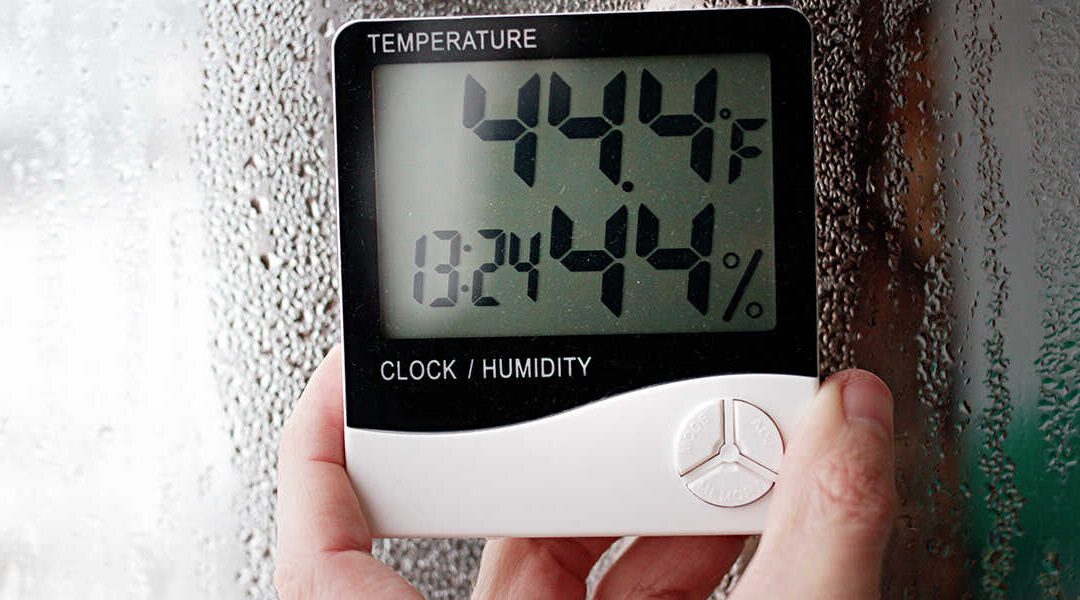
Another visual cue often mistaken for a leak is condensation. While not a direct leak, excessive condensation on windows, pipes, or cold surfaces means there's too much humidity in the air, which can lead to moisture problems over time.
It looks like tiny beads of water, or a foggy film. This is your home breathing heavily, and it’s a sign to improve ventilation or lower humidity levels to keep future moisture issues at bay.
The Moisture Hotspots Tour
Our moisture-seeking adventure wouldn’t be complete without a tour of the usual suspects – the spots where moisture loves to throw secret parties. These are your starting points, the "X marks the spot" on your detective map.
In bathrooms, check thoroughly around the toilet base, under the sink, and in and around the shower or tub. Look for discoloration or softness on the floor directly outside the shower, especially where feet tend to land.
Kitchens demand attention around the dishwasher, beneath the sink, and behind the refrigerator (especially if it has an ice maker or water dispenser). These appliances often have water lines that can develop tiny, sneaky leaks.
Don't forget the laundry room. Washer hoses, the floor drain, and even the dryer vent (if it's clogged or improperly installed) can all be sources of unwelcome dampness.
Basements and crawl spaces are notoriously damp. Look for puddles, dark stains on walls, efflorescence (a powdery white deposit), or that classic musty smell. These areas are often the easiest to spot prolonged moisture issues.
Finally, cast your gaze upwards. Attic leaks, often from a compromised roof, will show up as stains on the ceiling below or on insulation. It's like a watery skylight you didn't ask for.
The Joy of a Dry Home
Finding moisture isn't about being scared; it's about being proactive and loving your home. It’s a bit like a treasure hunt, where the treasure is a healthy, happy, and dry living space for you and your loved ones.
By becoming attuned to your home's subtle cues—its smells, sights, sounds, and textures—you become its ultimate guardian. You're not just finding moisture; you're ensuring your home stays the cozy, secure haven it's meant to be.
So go forth, intrepid home detective! With your senses finely tuned and a sprinkle of playful curiosity, you'll be amazed at the silent stories your home has to tell. And solving these little mysteries leads to the heartwarming satisfaction of a job well done.