How To Find Gas Leak In House

Alright, let's talk about something that might sound a little heavy, but it's actually incredibly empowering to understand: how to find a gas leak in your house! Now, nobody wants a gas leak, of course, but knowing the signs and what to do is like having a secret superpower for home safety. It’s not about being a worrier; it’s about being prepared, proactive, and ultimately, ensuring your peace of mind. Think of it as mastering a vital piece of household knowledge that keeps your sanctuary safe and sound.
This isn't just for a specific group; it's genuinely useful for everyone. For beginners in homeownership, understanding these basics is foundational – it demystifies a potentially scary situation and helps you react calmly. For families, it's about protecting your loved ones; knowing the signs means you can act swiftly to keep everyone safe. And for the more hands-on, proactive homeowners (let's call them home safety enthusiasts!), it’s another skill in your toolkit, allowing you to identify issues early and potentially prevent larger problems before calling in the professionals.
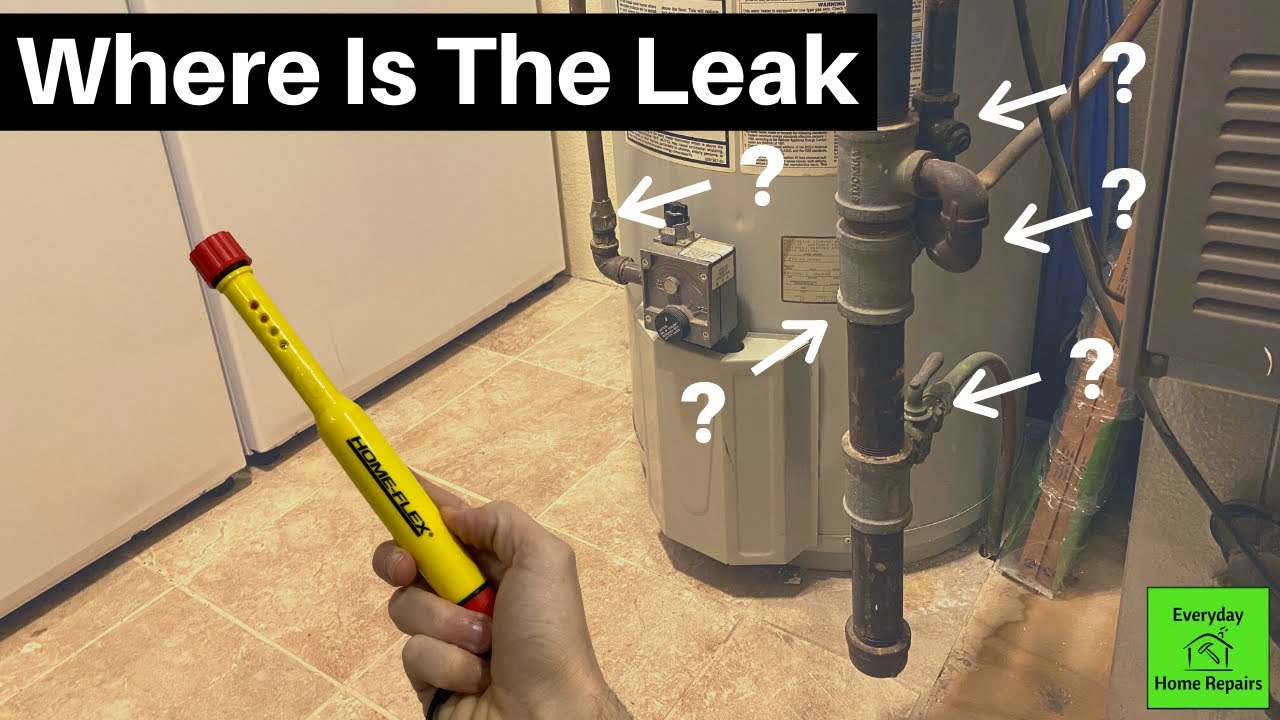
Gas leaks aren't always dramatic like in the movies; they can be subtle. We're primarily talking about natural gas, which is odorless on its own, but utility companies add a distinct "rotten egg" smell (called mercaptan) specifically so you can detect it. Propane, often used in outdoor grills or tanks, has a similar additive. You might encounter a leak from an appliance connection, a furnace, a water heater, or even a buried line outside your home. The symptoms can range from a faint smell to a noticeable hiss, or even mysterious health issues if the leak is very slow and prolonged. That's why being observant is key!
Must Read
So, how do you get started being your own home safety detective? Here are some simple, practical tips:
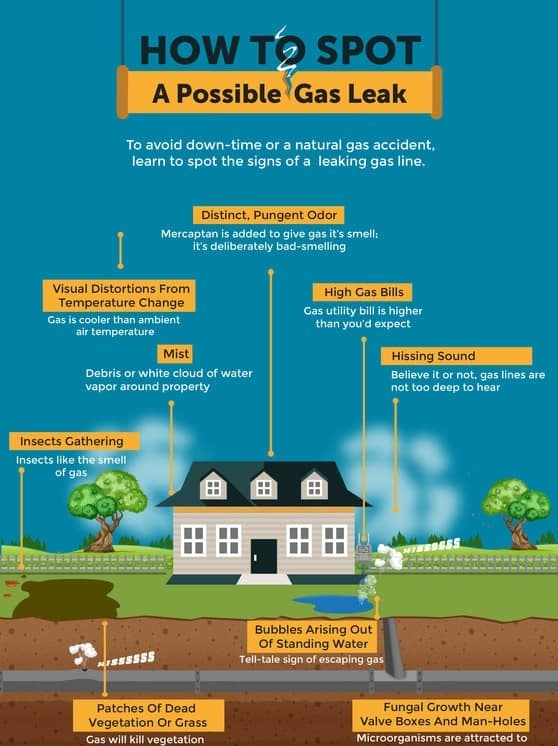
- Trust Your Nose: This is your first and best defense. If you smell rotten eggs, don't ignore it. It’s the most common and reliable indicator.
- Listen Carefully: Sometimes, a leak will make a faint hissing sound, especially if it’s from a pipe or appliance connection. Silence the house for a moment and listen near gas lines.
- Look for Visual Cues: If you suspect an outdoor leak, look for patches of dead or discolored vegetation near gas lines. Indoors, while less common, some leaks might cause condensation or a visible vapor trail.
- The Soapy Water Test: For a suspected indoor leak on an exposed pipe or connection (like near your stove), mix some dish soap with water to create a sudsy solution. Apply it to the area. If you see bubbles forming and expanding, you've found your leak! This is a classic and effective DIY method.
- Invest in a Gas Detector: These devices, similar to smoke detectors, can be a great proactive tool, especially if you have older appliances or just want an extra layer of security.
- What to Do if You Suspect a Leak: This is the most important part! Do not turn on or off any electrical switches or appliances, as a spark could ignite the gas. Open windows and doors for ventilation. Get everyone out of the house immediately. Once outside and at a safe distance, call your gas utility company's emergency line (it's usually a 24/7 service) or 911. They will send a technician to investigate and fix the problem safely.
Knowing these few simple steps transforms a potentially scary situation into one where you feel competent and in control. It’s about building a safer home environment, giving you invaluable peace of mind, and truly highlighting the enjoyment of being a prepared and knowledgeable homeowner!