
How To Find Frozen Water Pipes
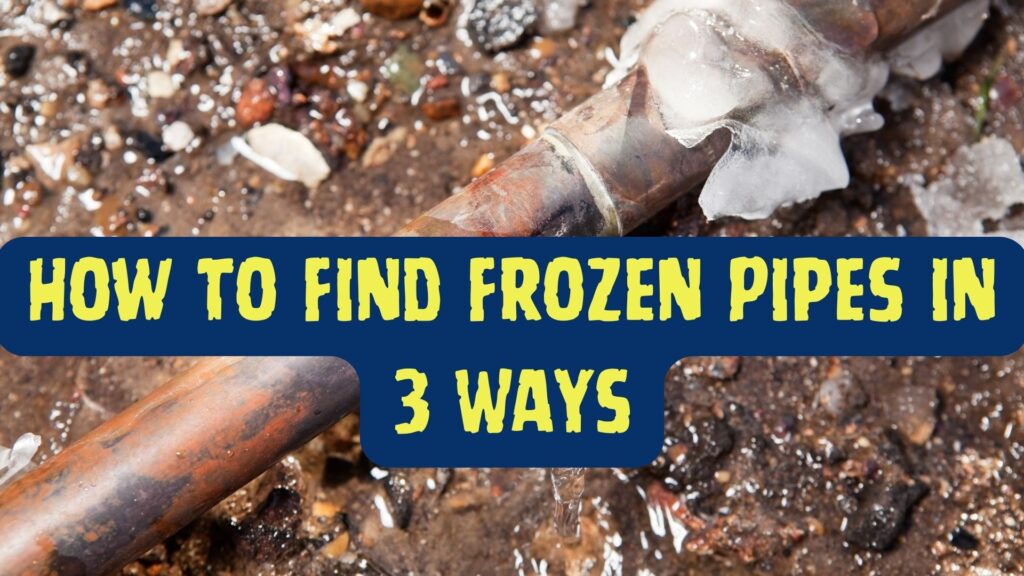
Alright, let's chat about something wildly fascinating, yet utterly common: finding a frozen water pipe. I know, I know, it sounds about as thrilling as watching paint dry. But trust me, once you get into the detective mindset, it’s actually a total blast! It's like your house is playing a secret game of hide-and-seek, and you're the super-sleuth trying to uncover its icy secrets.
First off, why is this even a thing? Well, water, bless its heart, is a bit of an oddball. Most liquids shrink when they get cold. Not water! Oh no, water decides to expand when it freezes. It’s like it puffs itself up, flexes its icy muscles, and says, "Try to contain me now!" This expansion is why pipes can burst, turning a minor inconvenience into a full-blown watery drama. But before the drama, there's the mystery!
The First Clue: The Great Silence
Your first hint that something’s amiss is usually a bit... quiet. You turn on the tap, expecting that glorious gush of water, and instead? Absolute silence. Or maybe a pathetic dribble. It's like your plumbing system has suddenly decided to go on strike. This is your cue, dear detective, to grab your metaphorical magnifying glass. The game is afoot!
Must Read
Now, where do you begin your hunt? It’s not always the pipe you can see. Sometimes the culprit is hiding in plain sight, sometimes it’s tucked away in a dusty corner, literally chilling out.
Listen Up, Detective!
This might sound a bit zen, but listen to your pipes. Sometimes, as water is just starting to freeze, you might hear a faint gurgle or a slow drip, almost like a sigh. It’s the water pipe equivalent of a tiny, icy grumble. More often, though, you'll hear nothing, which is precisely the problem! The silence can be deafening when you're craving a hot shower.

Also, don't forget the power of observation. Are your neighbors complaining about similar issues? Is it particularly frosty outside? These external clues are like the weather report for your pipe investigation. They help narrow down the suspects!
The Visual Scan: Frosty Finds
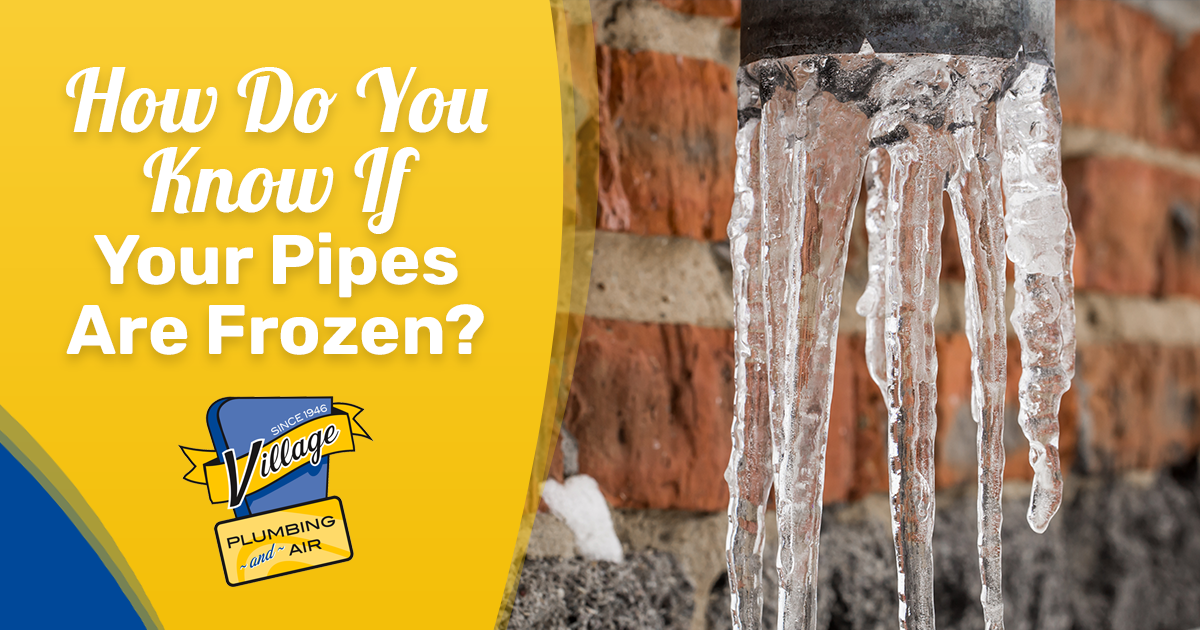
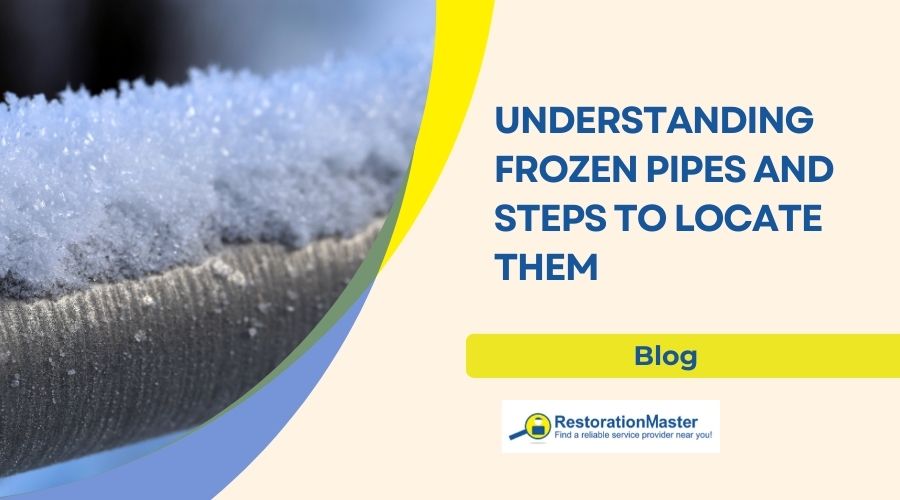
Time to get your eyes on some pipes! Head down to the basement, peek under sinks, and check any exposed plumbing. What are you looking for? Visual cues! You might see a pipe with a slight bulge – that's the water expanding, giving its best impression of a tiny, icy bicep. Or, even more tellingly, you might spot frost on the outside of the pipe. That's a dead giveaway! It's like the pipe is sweating cold, literally.
These are the low-hanging fruit, the obvious suspects. But don't despair if you don't find anything immediately. The most mischievous frozen spots are usually the ones trying to play hard to get.

The Touch Test: Feeling the Freeze
This is where things get really hands-on. Carefully, touch your pipes. Work your way along the exposed sections. You’re looking for a spot that feels significantly colder than the surrounding pipe, or even has an icy, rock-hard feel to it. It’s like finding a cold spot in a warm bed, but instead of relief, you feel... anticipation! This is often the actual block, the icy plug causing all the fuss.
Remember, pipes that run along exterior walls, through unheated crawl spaces, attics, or even in unused rooms are the prime suspects. They're the ones most exposed to the elements, making them easy targets for Jack Frost's sneaky work. It's a bit like finding the secret hideout of a supervillain, but instead of a laser beam, they're wielding... well, ice.
The Gadget Geek's Delight: Thermal Imaging!
For those of us who love a good gadget (and seriously, who doesn't?), a thermal imaging camera can turn you into a plumbing Sherlock Holmes. These cool devices show you temperature differences, highlighting the exact cold spots in your walls or ceilings where a frozen pipe might be lurking. It's like having X-ray vision, but for coldness! Suddenly, finding a frozen pipe goes from a chore to an exciting tech adventure. You can see the heat escaping and the coldness invading, all in glorious technicolor!
Think about it: tracing the cold spots, following the thermal trail – it’s genuinely satisfying. You become a temperature cartographer, mapping the invisible chill. Who knew plumbing could inspire such high-tech heroism, right?
Tracing the Flow: The Path of Least Resistance (or Most Resistance!)
If you've got water flowing from some taps but not others, you can use that to your advantage. Start where the water is working and follow the pipe's path towards where it isn't. The freeze point will be somewhere along that line. It's like following a breadcrumb trail, but instead of breadcrumbs, you're following the ghost of warm water into the realm of the icy unknown.
This systematic approach really turns you into a detective. You're eliminating possibilities, gathering evidence, and closing in on the culprit. It's truly a puzzle, and when you solve it, there's a real sense of accomplishment. Who needs escape rooms when you have a mysteriously silent faucet?
Why This Is Actually Fun
Okay, "fun" might be a strong word for a burst pipe, but the hunt? The mystery? That's where the magic is! It’s about understanding a tiny, yet powerful, scientific anomaly happening right inside your walls. It’s about becoming resourceful, observant, and maybe even a little bit of a gadget guru. You get to play detective in your own home, uncovering the hidden workings of your plumbing system.
So, next time your tap decides to play coy, don't just sigh. Instead, put on your metaphorical deerstalker hat and embrace the challenge. It’s an adventure, a puzzle, and a quirky winter tale all rolled into one. Happy hunting, plumbing sleuths!