
How To Figure Out What Size Generator I Need
Ever stared at a generator, feeling like you're trying to decipher ancient hieroglyphics? You're not alone! Figuring out the right size generator can seem daunting, but trust me, it's easier than assembling IKEA furniture (and probably less frustrating).
Step 1: The Great Appliance Census
Think of yourself as a detective, but instead of solving crimes, you're tracking down the power consumption of your appliances. Start by making a list of everything you absolutely need to run during a power outage. We're talking fridge, lights, maybe the TV for emergency weather updates (and, let's be honest, Netflix).
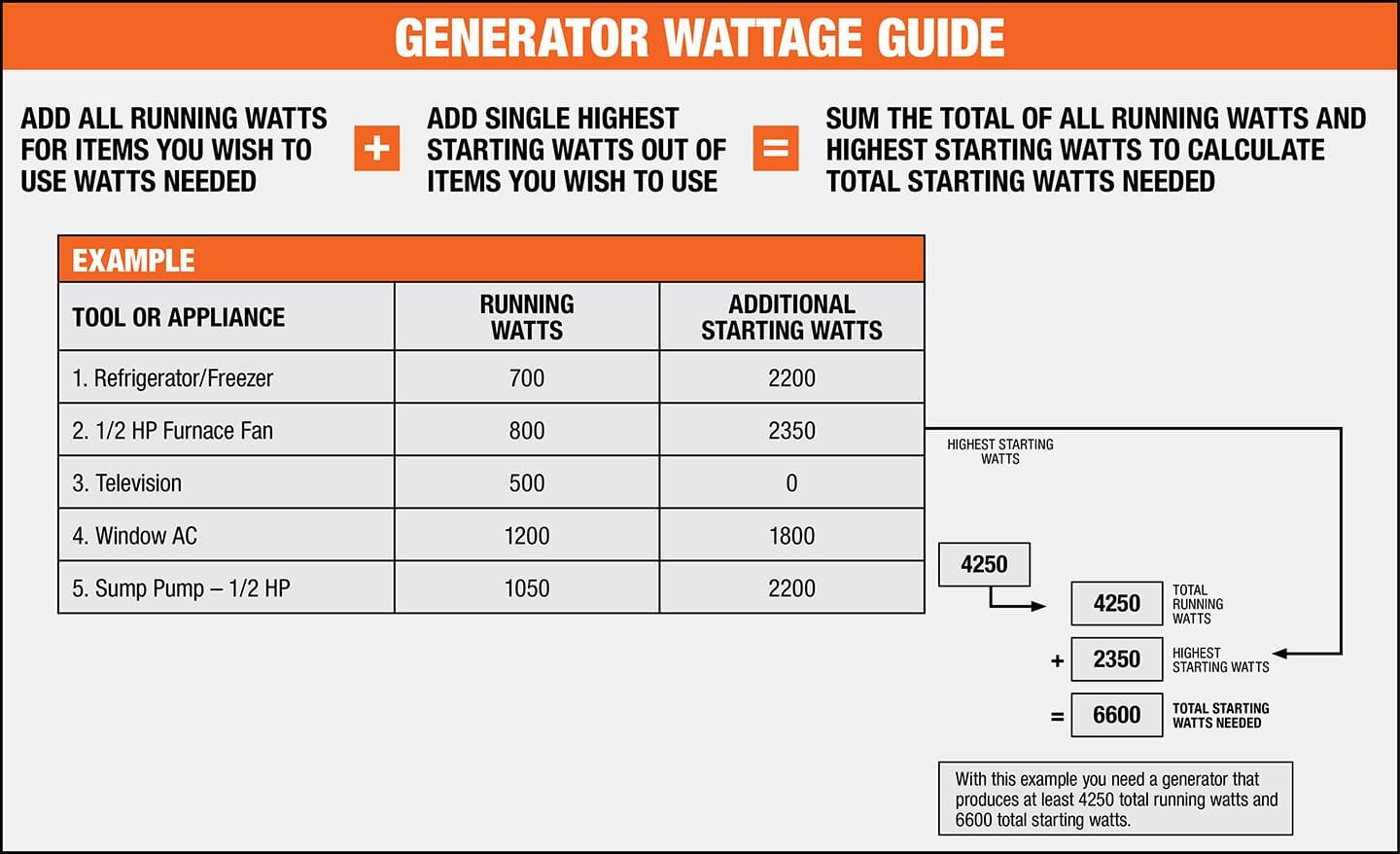
Now, find those little stickers or plates usually located on the back or bottom of each appliance. They'll list the wattage (W) or amperage (A) it uses. Wattage is the key number we're after, but if you only see amps, don't panic! Just multiply the amps by the voltage (usually 120V in the US) to get the watts. Elementary, my dear Watson!
Must Read
Some things, like refrigerators and air conditioners, have two wattages listed: starting wattage and running wattage. Starting wattage is the brief surge of power they need to kick on, and it's often much higher than the running wattage. Remember to use the starting wattage for your calculations; we need to account for that initial power kick.
Step 2: Adding It All Up (and Maybe Adding Some More)
Grab your trusty calculator (or your phone's calculator app – no judgment here!) and add up all those wattages. This gives you the total wattage you'll need your generator to handle. But here's the thing: generators are like people; they don't like to be pushed to their absolute limit all the time.
So, add a safety margin of 10-20% to your total wattage. This helps prevent your generator from getting overworked and potentially failing. Think of it as giving your generator a little breathing room, a mini-vacation from constantly working at full throttle.
For example, if your total wattage comes out to 5000 watts, adding a 10% safety margin would bring it up to 5500 watts. Rounding up to the nearest common generator size is always a good idea, so you might be looking at a 6000-watt generator.
Step 3: Considering Your Energy Personality
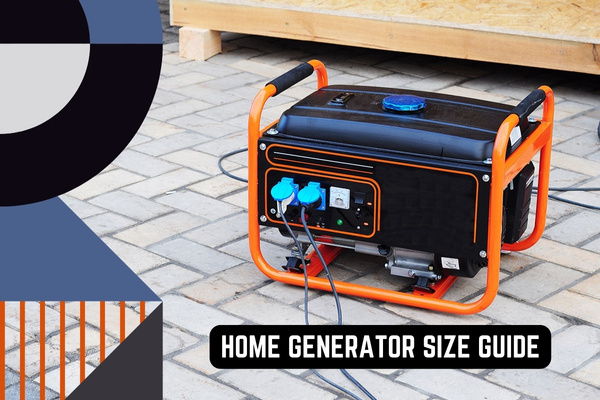
Are you a minimalist energy user, only needing the bare essentials to survive a power outage? Or are you more of a "power everything!" kind of person, wanting to keep all the comforts of home running? Your energy personality plays a big role in generator sizing.
If you're a minimalist, you can probably get away with a smaller generator. But if you have a house full of energy-hungry appliances, you'll need a bigger, more powerful generator. It's all about finding the right balance between your needs and your budget.
Think about future needs too. Are you planning on adding a new appliance or expanding your home? If so, you might want to consider a slightly larger generator to accommodate those future power demands. Better to be prepared than caught short in the dark!
Step 4: Fueling Your Powerhouse
Generators run on different types of fuel, such as gasoline, propane, or natural gas. Each fuel type has its pros and cons in terms of cost, availability, and convenience. Gasoline is readily available but can be expensive, while propane is cleaner-burning but requires a storage tank.
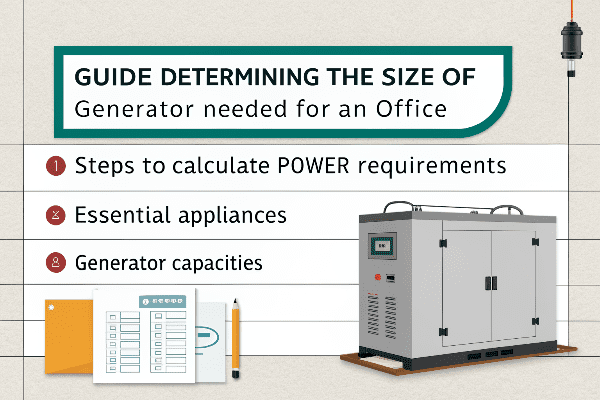
Consider how long you anticipate needing the generator to run. Gasoline-powered generators typically have shorter run times than propane or natural gas models. If you're expecting a prolonged power outage, you might want to opt for a generator that can run for longer periods on a single tank of fuel.
Think about fuel storage too. Do you have enough space to store gasoline safely? Are you comfortable handling propane tanks? These are important considerations to keep in mind when choosing a generator and its fuel type.
Step 5: The Noise Factor
Generators can be noisy beasts, especially the older models. If you live in a densely populated area or have sensitive neighbors, noise can be a major concern. Look for generators with noise reduction features or consider investing in a sound dampening enclosure.
Some generators are specifically designed to be quieter than others. Inverter generators, for example, are typically much quieter than traditional generators. They also produce cleaner power, which is better for sensitive electronics.
Test out the generator before you buy it, if possible. Stand near it while it's running and listen to the noise level. Can you comfortably hold a conversation without shouting? If not, you might want to consider a quieter model.

Step 6: Safety First!
Generators produce carbon monoxide, a deadly, odorless gas. Never run a generator indoors or in an enclosed space. Always operate it in a well-ventilated area, away from windows, doors, and vents.
Install carbon monoxide detectors in your home, especially near sleeping areas. Test them regularly to ensure they're working properly. Carbon monoxide poisoning is a serious risk, so take all necessary precautions to protect yourself and your family.
Use heavy-duty extension cords specifically designed for outdoor use. Avoid overloading circuits and never plug a generator directly into a wall outlet. This can backfeed electricity into the power grid and endanger utility workers.
Step 7: Consulting the Experts
If you're still feeling overwhelmed by the generator sizing process, don't hesitate to consult with an electrician or a generator specialist. They can assess your specific needs and recommend the right size generator for your home.
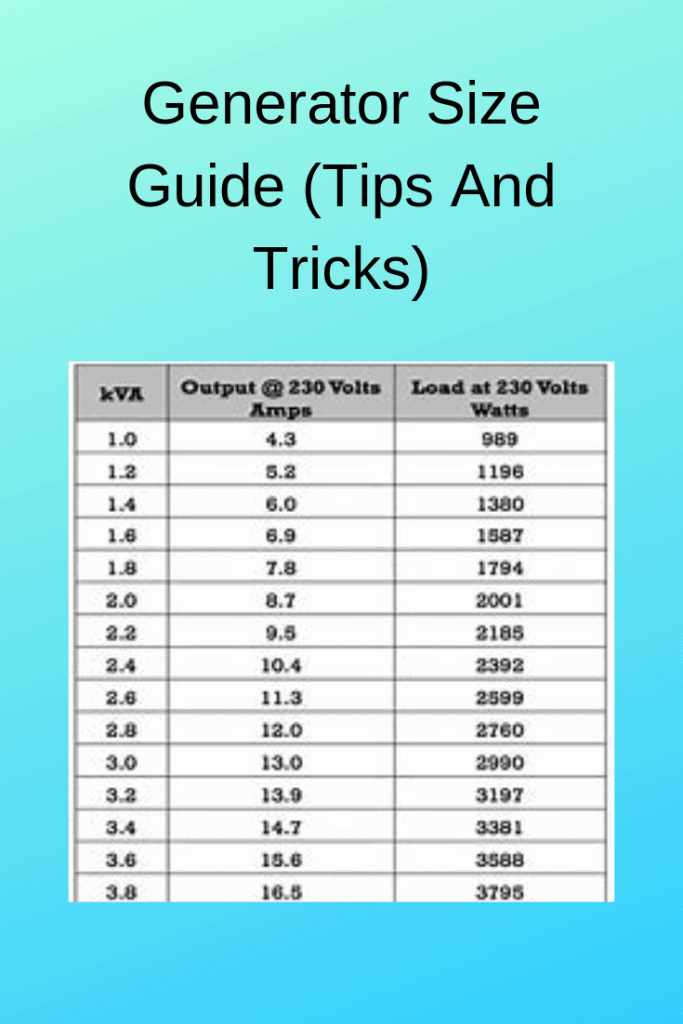
They can also help you with installation and maintenance, ensuring that your generator is properly installed and running safely. It's always better to err on the side of caution when dealing with electricity and potentially dangerous equipment.
Think of it as an investment in your peace of mind. Knowing that you have a reliable generator ready to go during a power outage can bring a sense of security and comfort, especially during severe weather events.
Bonus Tip: The Hand-Crank Generator Revelation
Okay, so maybe you're picturing yourself vigorously hand-cranking a tiny generator for hours just to power a single LED bulb. That image might be somewhat accurate for a _very_ small device. But hand-crank generators are more about emergency preparedness than powering your entire house. They're great for charging phones or powering small radios.
There's something deeply satisfying about generating your own electricity, even if it's just a small amount. It's a reminder that even in the face of a massive power outage, you have the ability to create your own energy, a little spark of independence in a world that often feels overly reliant on complex systems.
So, embrace the challenge, do your research, and find the generator that's right for you. And remember, even if you end up slightly overestimating your needs, it's always better to have a little extra power than to be left in the dark. Good luck, and may your home always be brightly lit, even when the power goes out!