
How To Figure Out Watts From Volts And Amps
Hey there, sparky! Ever stare at a lightbulb or an appliance and wonder, "What's the deal with all these Volts, Amps, and Watts things?" Don't sweat it! It sounds like some kind of electrical wizardry, but trust me, it's simpler than ordering a pizza (and way less greasy!).
Today, we're cracking the code on how to figure out Watts from Volts and Amps. Think of it as your own personal decoder ring for the electrical universe. No secret handshake required (though a good high-five is always appreciated!).
The Power Trio: Volts, Amps, and Watts
Let's break down our players, shall we?
Must Read
- Volts (V): Imagine voltage as the pressure pushing electricity through a wire, like water pressure in a pipe. High voltage means a bigger "push."
- Amps (A): Amps (or Amperes) are like the amount of water flowing through that pipe. It's the current, the flow of electrical charge. More amps, more flow!
- Watts (W): Watts are the power – the amount of energy being used. It’s the result of the pressure (Volts) and the flow (Amps) working together. Think of Watts as the work being done, like lighting up a lightbulb or running your microwave.
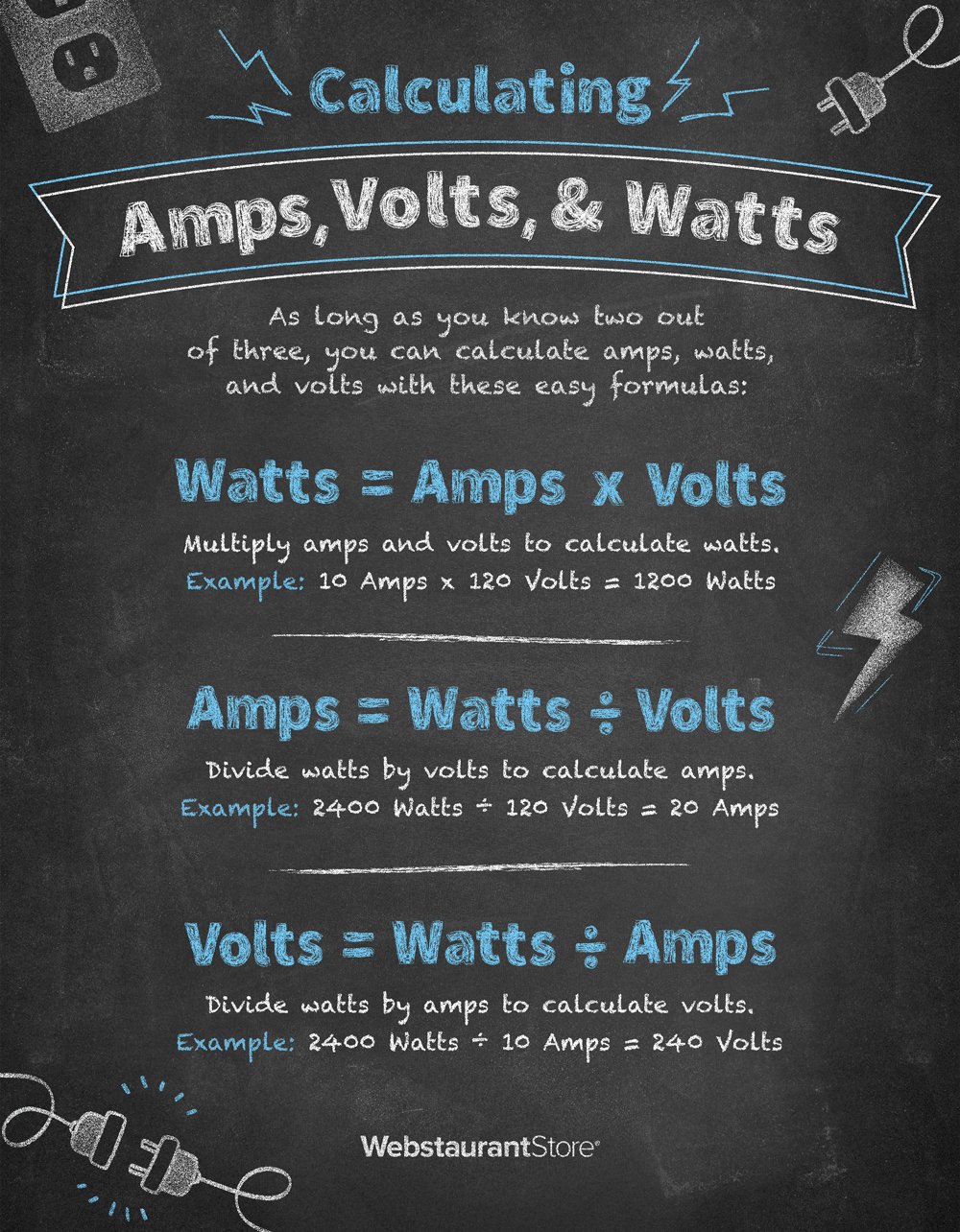
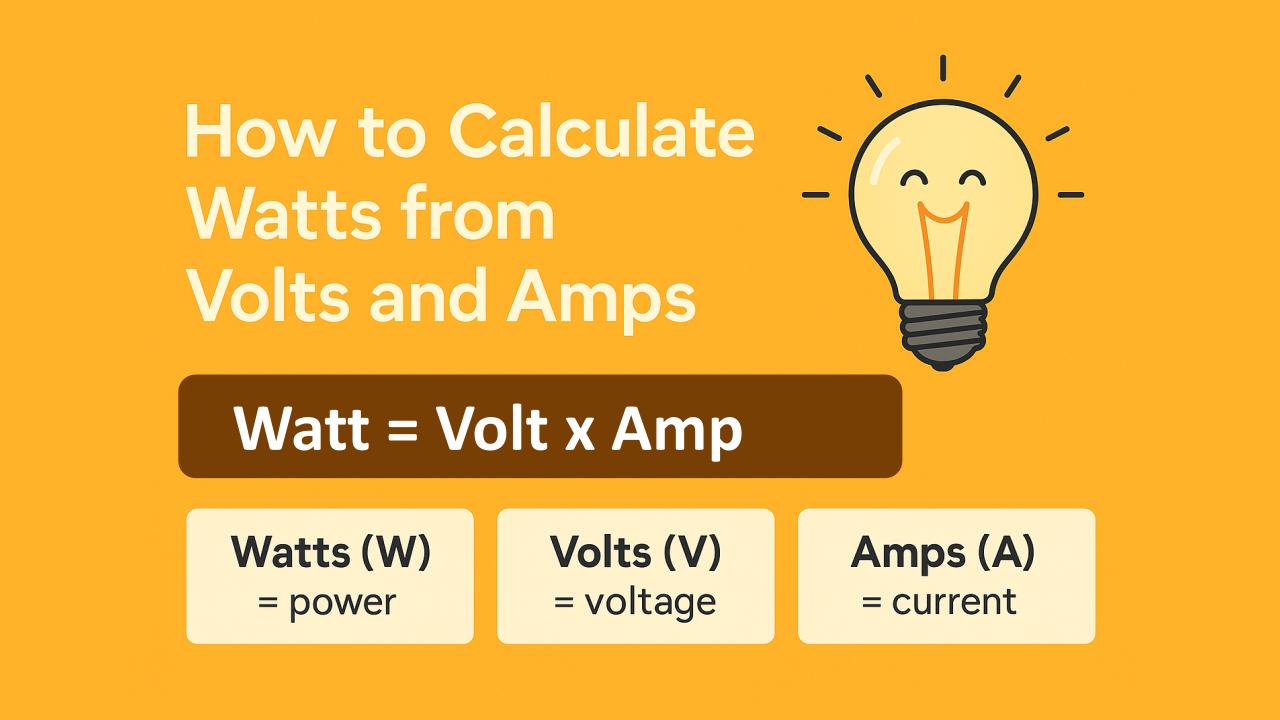
The Magic Formula: Watts = Volts x Amps
Ready for the big reveal? Here it is, the formula that unlocks the secrets of electrical power:
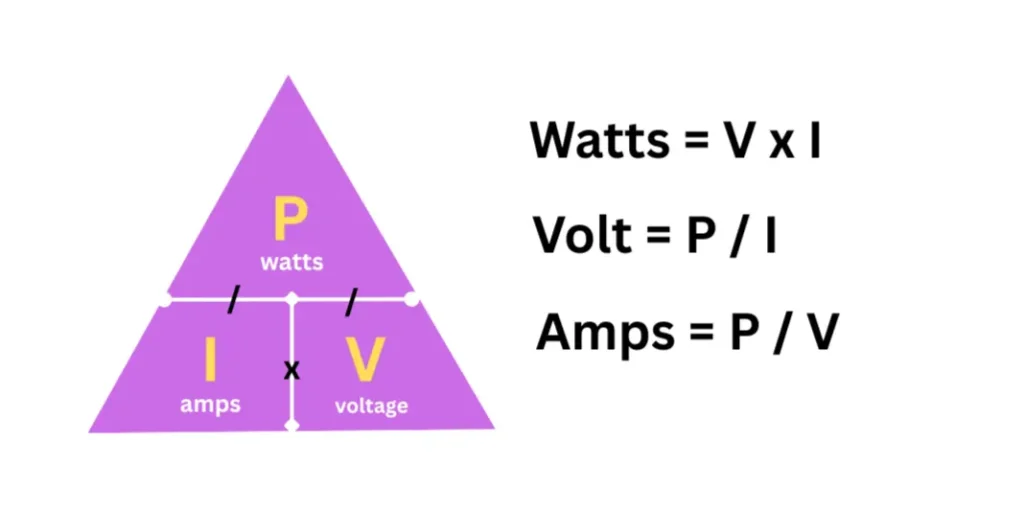
Watts = Volts x Amps
Yep, that's it! I know, I know, it looks too easy to be true, but trust me, it works. You can write it down, memorize it, tattoo it on your arm – whatever helps you remember! (Okay, maybe skip the tattoo…unless you’re really into electricity.)
Let's put this formula into action with some super exciting examples (get ready to be electrified! wink).
Example Time! Lights, Camera, Action!
Scenario 1: The Trusty Lightbulb
Let's say you have a lightbulb that's rated at 120 Volts and 0.5 Amps. How many Watts does it use?
Simple!
Watts = Volts x Amps
Watts = 120 V x 0.5 A
Watts = 60 W
Boom! That lightbulb is a 60-Watt bulb. Easy peasy, lemon squeezy!
Scenario 2: The Mighty Microwave
Okay, level up! Your microwave is plugged into a 120-Volt outlet and draws 10 Amps. What's its power consumption in Watts?
Again, let's unleash the formula!
Watts = Volts x Amps
Watts = 120 V x 10 A
Watts = 1200 W
Whoa! Your microwave sucks up 1200 Watts when it's running. That's why it can heat up your leftovers so darn fast (and maybe why your electricity bill is a little scary!).
Flipping the Script: Finding Amps From Watts and Volts
Now, what if you know the Watts and Volts, but need to find the Amps? No problem! We just rearrange our magic formula.
Since Watts = Volts x Amps, then:
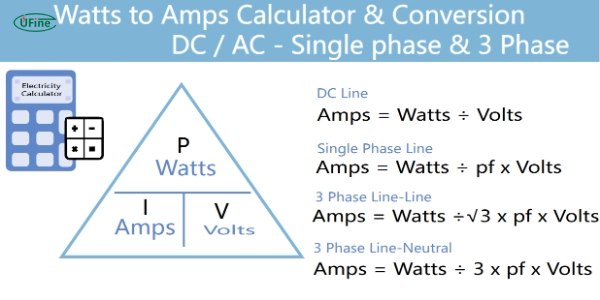
Amps = Watts / Volts
Let's say you have a space heater that uses 1500 Watts on a 120-Volt circuit. How many Amps does it draw?
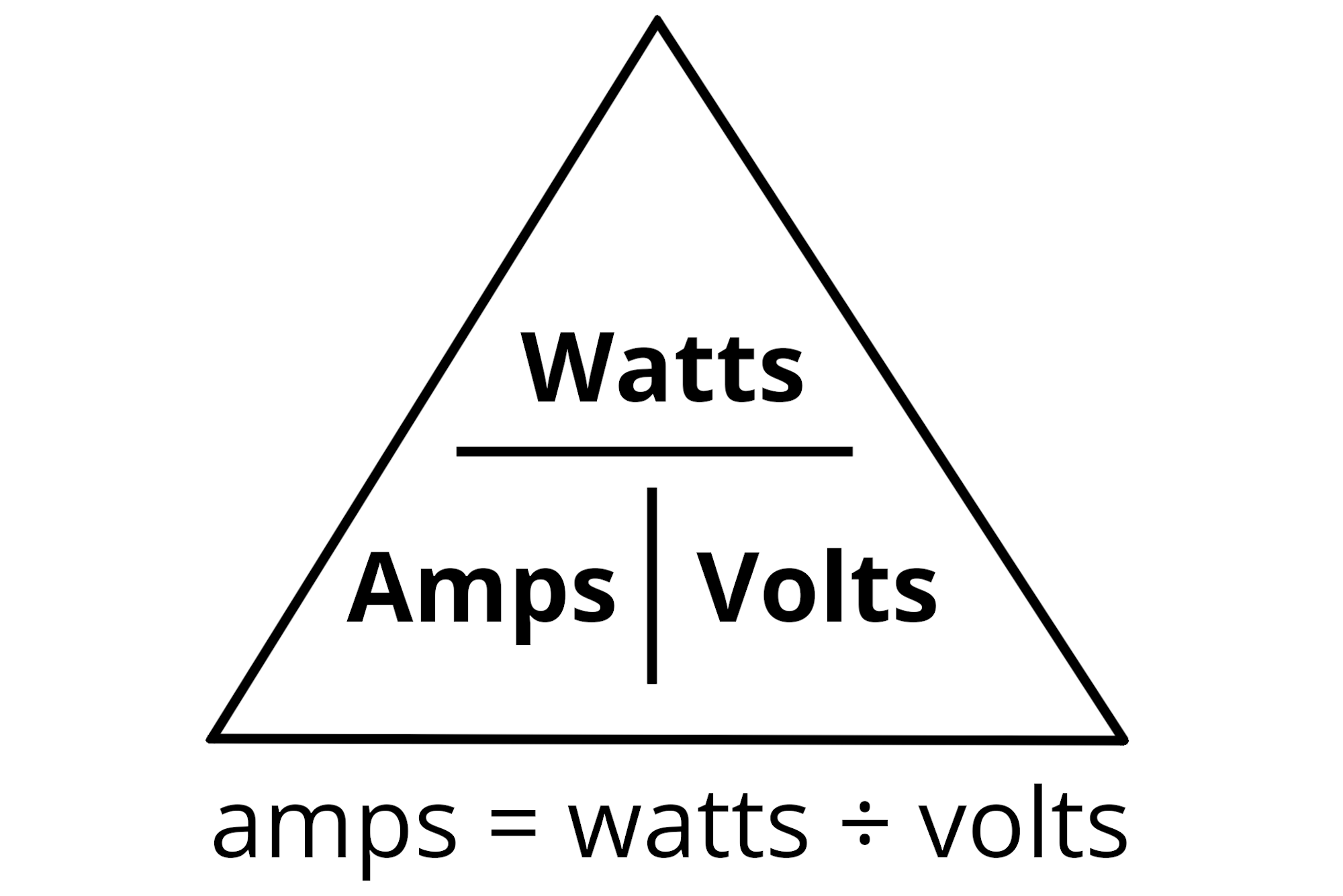
Amps = Watts / Volts
Amps = 1500 W / 120 V
Amps = 12.5 A
That space heater is pulling 12.5 Amps. Keep an eye on that – you don't want to overload your circuit!
A Word of Caution (Because Safety First!)
While playing around with electricity can be enlightening (pun intended!), it's super important to be safe. Always double-check your calculations, and if you're not comfortable working with electrical systems, call a qualified electrician. Electricity is powerful, and you want to treat it with respect!
You're an Electrical Ace!
There you have it! You've now mastered the art of calculating Watts from Volts and Amps. You're practically an electrical engineer (almost!). Go forth and impress your friends with your newfound knowledge. Amaze them with your ability to decipher the mysterious world of electrical ratings.
Remember, learning is an amazing journey, and even seemingly complex topics like this can become simple and fun. So keep exploring, keep asking questions, and keep shining bright! Now, go forth and conquer the world… one Watt at a time!