
How To Figure Out How Much Solar Power You Need
So, you’re thinking about going solar? Awesome! It's like giving your house a superhero upgrade, except instead of fighting crime, it’s battling those pesky electricity bills.
But where do you even start? Don't worry, it’s easier than figuring out the instructions for that IKEA bookshelf you abandoned halfway through. Let's dive in!
Step 1: Face Your Energy Demons (aka, Your Bills)
First, you gotta know what you're up against. Gather your electricity bills for the past year. Yes, all of them. Treat it like a treasure hunt, but instead of gold, you're looking for kilowatt-hours (kWh).
Must Read
Most bills will proudly display your monthly electricity usage in kWh. If your bills are hiding this crucial information, give your electricity company a call. Unleash your inner detective and demand answers!
Write down each month's usage. Add them all up. Boom! You now know how much energy your house guzzled in the last 12 months. This is your Annual Energy Consumption, and it's the golden ticket to solar enlightenment.
Step 2: The Great Divide (aka, Averaging It Out)
Now, let's make things a little easier to manage. Divide your annual energy consumption by 12. This gives you your average monthly energy usage.
Think of it like averaging your chocolate consumption over a year. Maybe you eat a ton during the holidays and hardly any in the summer. The average helps you plan!
.png)
This average is your target. It's the amount of energy your solar system needs to produce each month to keep your bills at bay.
Step 3: Sunshine Math (The Not-So-Scary Part)
Okay, this is where a little sunshine-powered magic comes in. We need to figure out how much sun your roof gets each day. This is called Peak Sun Hours.
Don’t worry, you don’t have to stand on your roof with a stopwatch! The National Renewable Energy Laboratory (NREL) has a fantastic resource that can tell you the average peak sun hours for your location. Just search online for "NREL solar insolation map."
Find your location on the map. Note the average peak sun hours. This number represents the average amount of direct sunlight your roof receives each day. It’s like your roof’s daily dose of vitamin D.
Step 4: The Big Reveal (System Size Calculation!)
Here’s the final step. This is where we use all that information to calculate the size of the solar system you need.
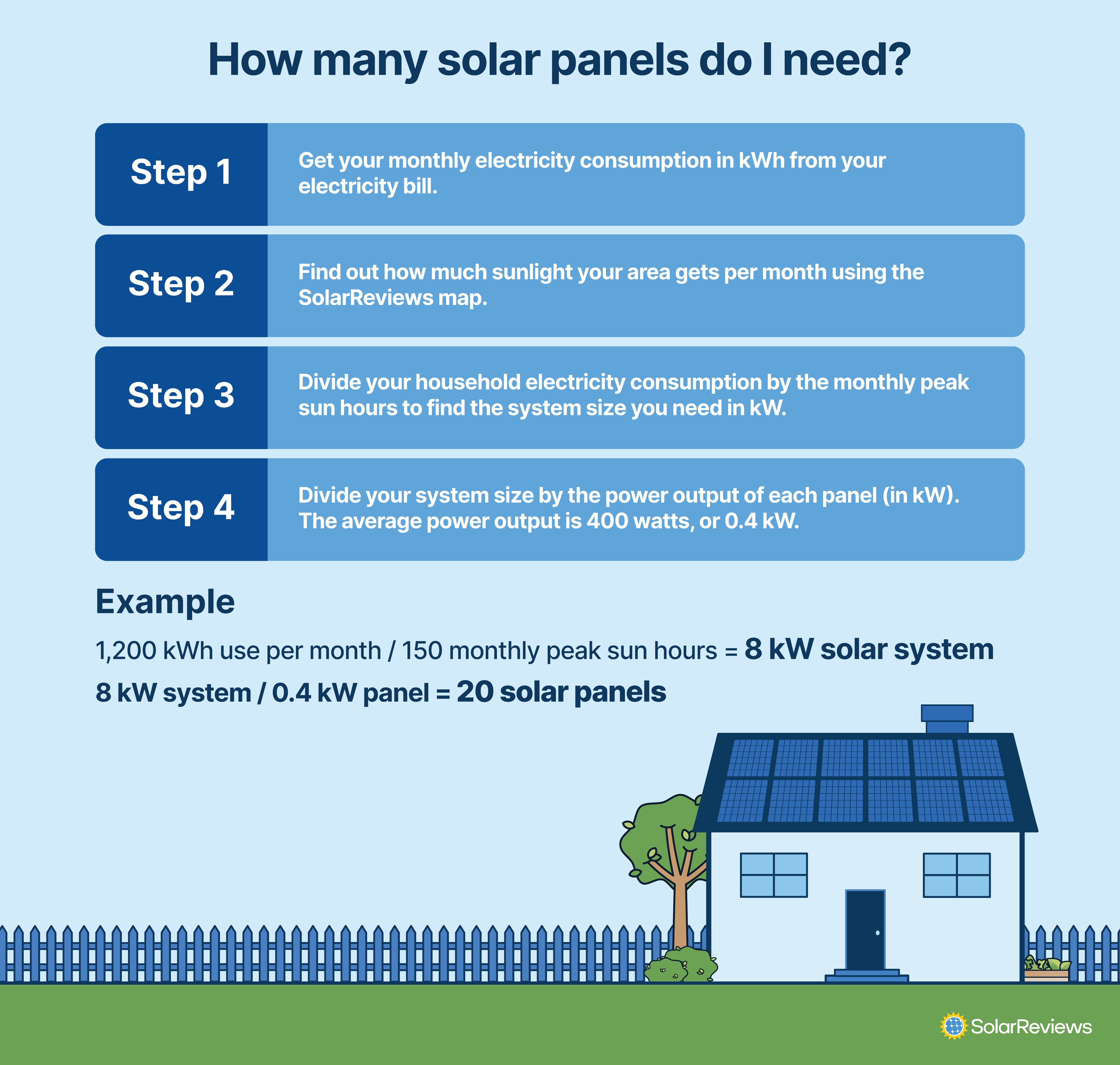
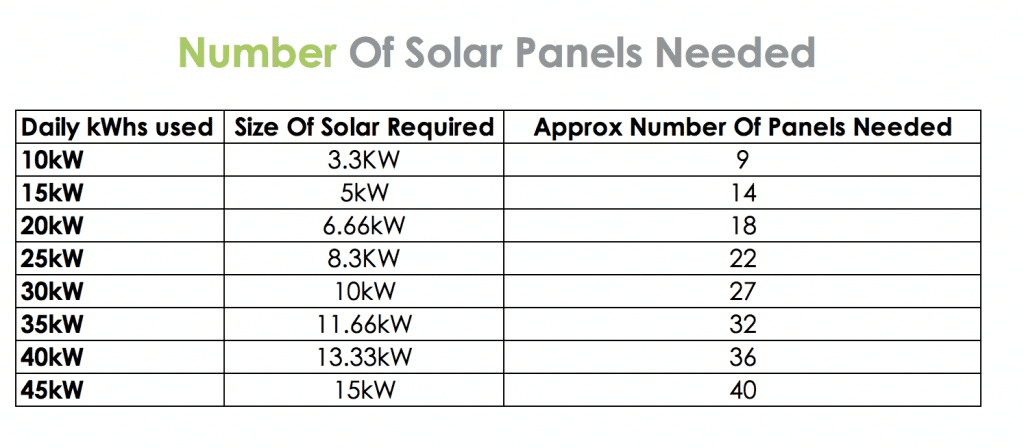
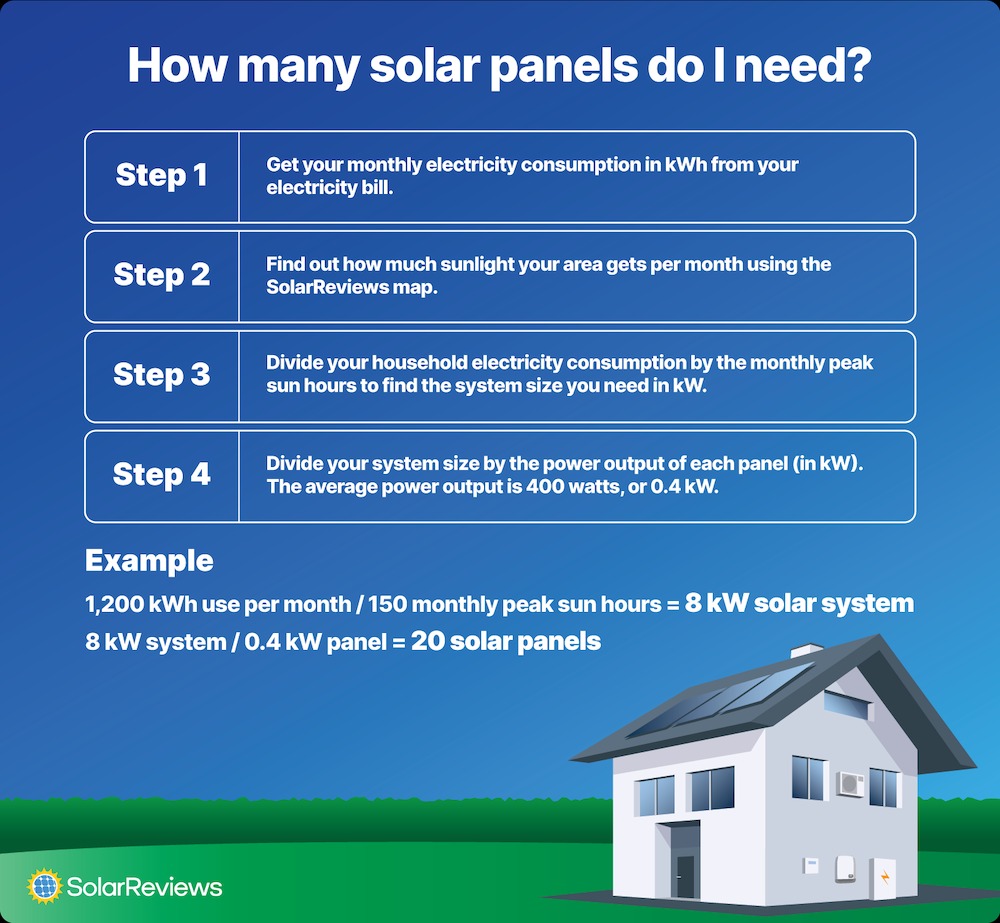
The formula is surprisingly simple: System Size (kW) = (Monthly Energy Usage (kWh) / Peak Sun Hours per Day) / 30. Let's break it down.
Take your average monthly energy usage (from Step 2). Divide it by the peak sun hours for your location (from Step 3). Then, divide that result by 30 (the average number of days in a month).
The answer is the size of the solar system you need, measured in kilowatts (kW). So, if your monthly energy usage is 600 kWh and your peak sun hours are 5, then: (600 / 5) / 30 = 4 kW. You need a 4 kW solar system!
This is just an estimate, of course. There are other factors that can affect the size of your system, such as the angle and direction of your roof, shading from trees, and the efficiency of the solar panels.

Step 5: Talk to the Pros (The Smart Move)
Now that you have a rough idea of the system size you need, it's time to talk to some solar professionals. Get quotes from several different companies. Ask lots of questions.
Don't be afraid to shop around. Solar companies are like ice cream shops – there are lots of different flavors (and prices) to choose from!
A good solar installer will be able to assess your specific needs and recommend the best system for your home. They'll also handle all the paperwork and permits, which can be a huge headache.
Bonus Tip: Net Metering – Your Secret Weapon
Many utility companies offer what's called net metering. This means that if your solar system produces more electricity than you need, you can send the excess back to the grid and get credit on your bill.
It’s like being your own little power plant and getting paid for it! Check with your utility company to see if they offer net metering and what the terms are.
Net metering can significantly reduce your electricity bills and make solar even more affordable. It’s a win-win situation!
A Final Word (and a Little Encouragement)
Going solar is a big decision, but it's also a rewarding one. You'll be reducing your carbon footprint, saving money on your electricity bills, and increasing the value of your home.
Plus, you'll get to feel like a superhero every time you look at your roof. Not all heroes wear capes. Some wear solar panels!
So, take a deep breath, gather your bills, and start exploring the world of solar. You might be surprised at how easy and fun it can be. And who knows, you might even end up saving enough money to finally finish that IKEA bookshelf.