
How To Figure Out Electric Bill
Ever stared at your electric bill, feeling like you've just received a secret message from an alien civilization? You're not alone! It often looks like a cryptic scroll filled with numbers and acronyms, designed purely to baffle and bewilder.
But fear not, future energy wizard! Cracking the code of your electric bill is easier and way more fun than you think. Let's embark on a thrilling quest to turn that confusing paper into a clear, understandable story of your home's energy adventures!
The Great Electric Bill Mystery! Unveiling the Secrets of Your Home's Energy Use
Imagine your house is a bustling city, and all your appliances are the citizens. Every time a light switches on, or the fridge hums, or your gaming console glows, these citizens are requesting power.
Must Read
Your electric bill is simply the summary of all those power requests, neatly bundled up for your review. It's not a monster; it's just a report card for your electricity consumption.
Solving the kWh Puzzle: Your Energy's "Fuel Tank"
The most important, and often most intimidating, player on your bill is the kilowatt-hour, or kWh. Think of a kWh like a gallon of gas for your car, but for electricity.
It's a standard unit of measurement, telling you exactly how much electricity you've used. If your car uses more gallons, your gas bill goes up; if your house uses more kWh, your electric bill climbs too.
One kWh can power a 100-watt light bulb for 10 hours straight! That's a lot of light for a little "sip" of power.
Your entire bill basically revolves around how many of these little kWh units your home has consumed in a billing period. The higher the number, the more energy you've been gobbling up.
The Price Tag: How Much Per Sip?
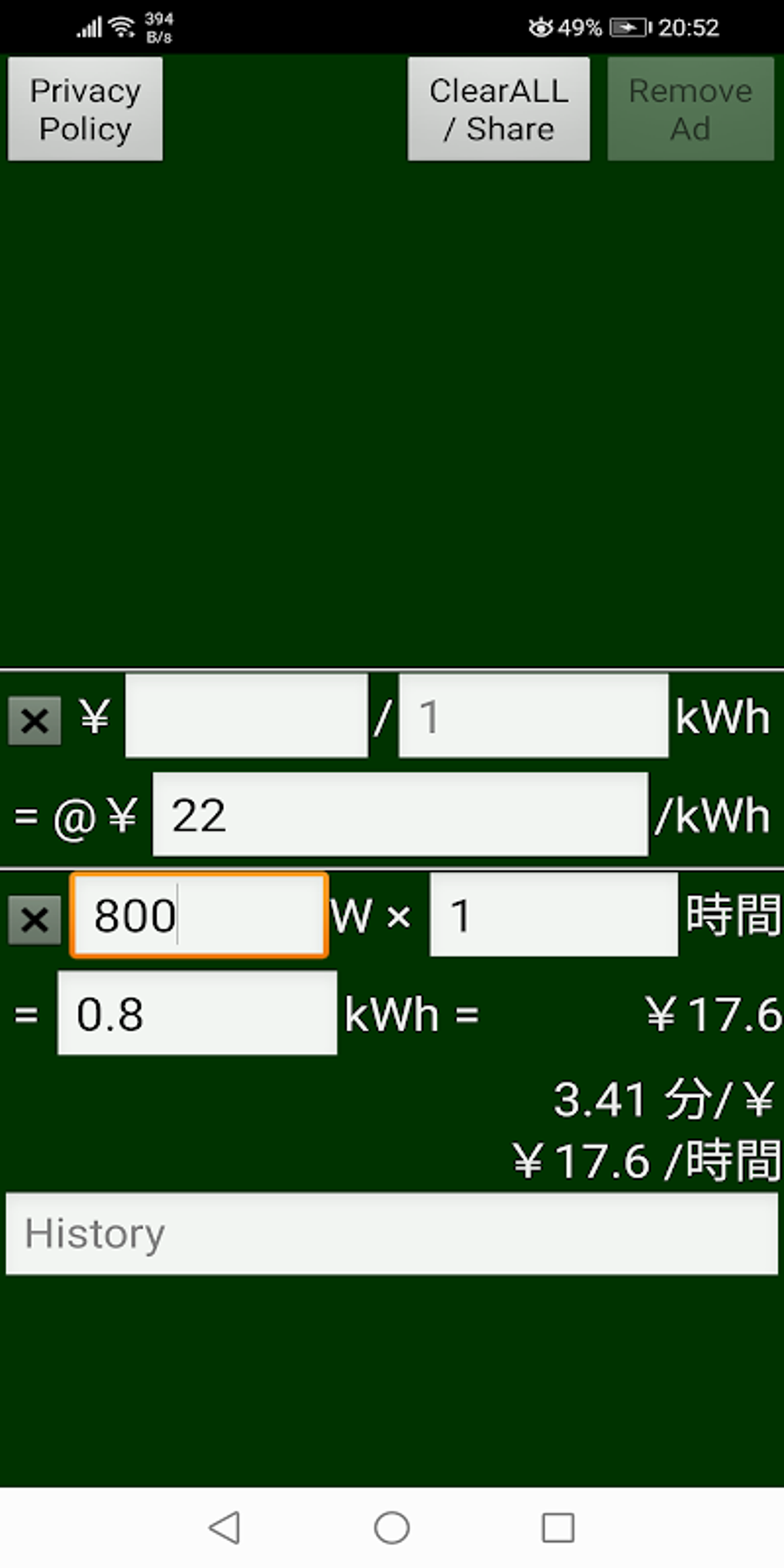
So, you've used a certain number of kWh. The next crucial piece of the puzzle is the rate per kWh. This is simply how much your electric company charges you for each individual kWh you consume.
It's like the price per gallon at the gas station, but for electricity. This rate can vary depending on your location, your specific plan, and sometimes even the time of day.
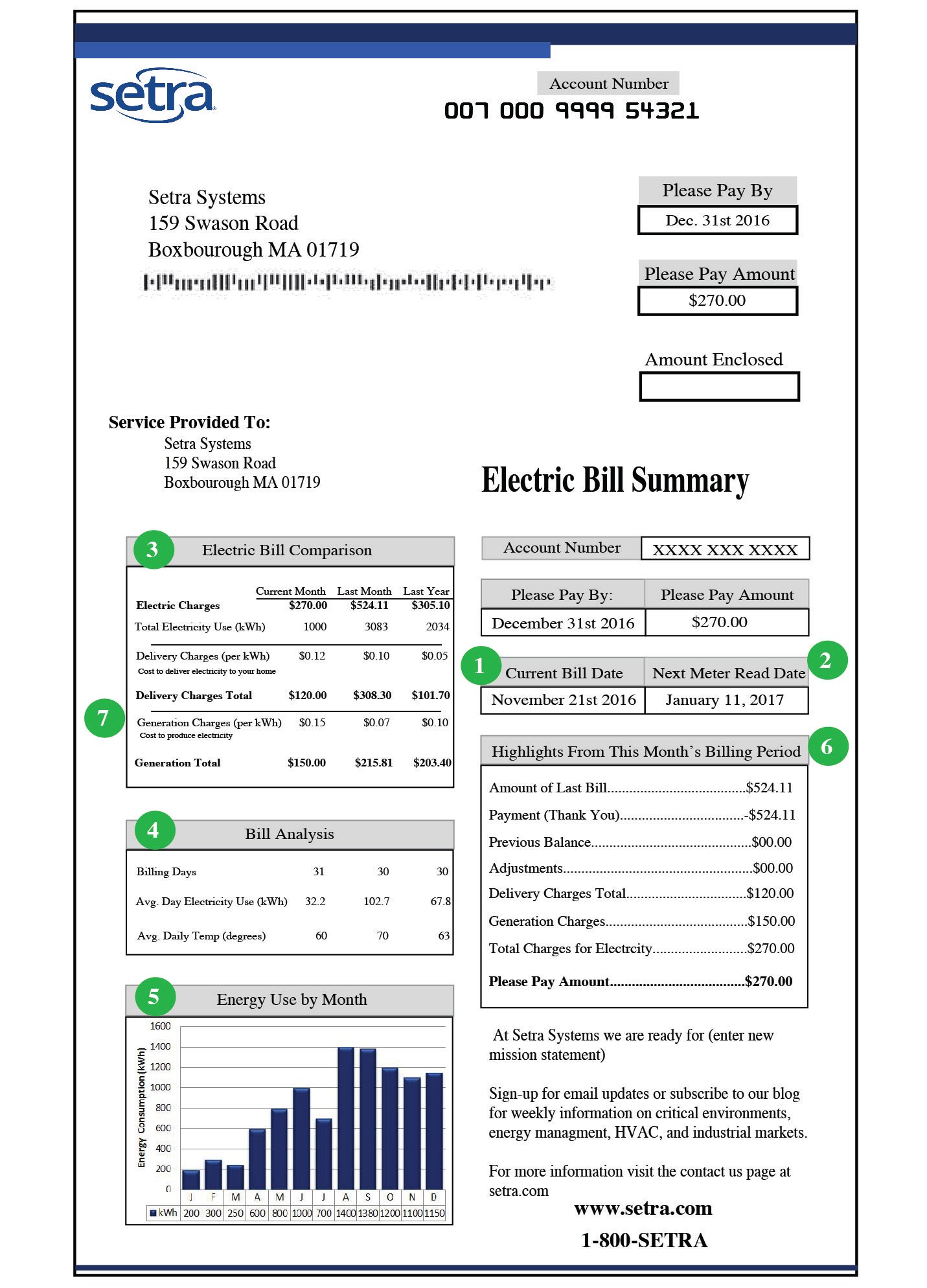
Look for a section often called "Energy Charge" or "Generation Charge" on your bill. Here, you'll usually find the magic number: your cost per kWh. Multiply your total kWh by this rate, and bam! You've got the core cost of your electricity usage.
Understanding this number empowers you to calculate the exact cost of running your favorite devices.The "Always There" Charges: Fixed Fees and Delivery Shenanigans
Even if you managed to live in complete darkness like a friendly vampire, there are still some charges you'd see on your bill. These are often called fixed charges, service charges, or customer charges.

These fees cover the basic cost of simply having electricity connected to your home. They pay for things like maintaining the power lines, sending out your bill, and keeping the lights on at the utility company's office.
Think of it as a small "subscription fee" for access to the grid, even before you turn on a single lamp.Then there are "Delivery Charges" or "Transmission Charges." These aren't about the electricity itself, but about the superhighway it travels on to get to your house.
Your utility company has to build and maintain all those giant poles and wires to bring power from the generating plant right to your doorstep. These charges cover that epic journey.
Reading Your Meter: The Silent Watcher
How do they know how many kWh you've used? Enter your trusty electric meter! This little box, usually on the side of your house, is like the odometer for your electricity.
It keeps a running tally of every single kWh that flows into your home. Utility workers, or sometimes smart meters themselves, read this number at the beginning and end of each billing cycle.

The difference between those two readings is your total kWh consumption for that period. It's surprisingly straightforward when you think of it as a mileage counter for your energy.
Your Usage History: Becoming an Energy Detective
Most bills include a super helpful section showing your usage history over the past few months, or even a year. This isn't just decoration; it's a powerful tool for your energy detective work!
Seeing your past consumption can reveal fascinating patterns. Did your bill spike last summer? Perhaps the AC was working overtime. Does it jump in winter? Maybe your electric heater is throwing a party.
Comparing your current usage to previous months helps you understand if you're using more or less energy than usual. It's your personal energy crystal ball, helping you predict and understand your usage.

Putting It All Together: The Grand Total Revealed!
So, your grand total is simply the sum of all these pieces: your kWh usage multiplied by the rate, plus your fixed charges, plus any delivery fees, and then finally, the inevitable taxes and other tiny local fees.
Once you see these components laid out, that intimidating total makes perfect sense. It’s no longer a random number, but a calculated sum based on your actual energy footprint.
Quick Tips for Becoming an Energy Superhero!
Now that you're an electric bill decoding genius, you're ready to take charge! Look for the "Usage" graph on your bill – it's often the quickest way to see if you're on an energy spree.
A sudden jump often points to a new appliance, an old one working harder, or maybe just leaving too many lights on. Become friends with your thermostat and unplug those "vampire" electronics!
By understanding your bill, you gain control. You can identify energy hogs, adjust your habits, and potentially save some serious dough. Go forth, energy adventurer, and conquer that bill!