How To Enter Latitude And Longitude

Ever felt like you're holding the secret map to buried treasure, but the instructions are written in… hieroglyphics? Fear not, intrepid explorer! Entering latitude and longitude doesn't have to feel like deciphering alien code. It's easier than ordering pizza (and almost as satisfying!). Let's unlock this cartographic mystery together!
Finding the Right Spot (and the Right Format!)
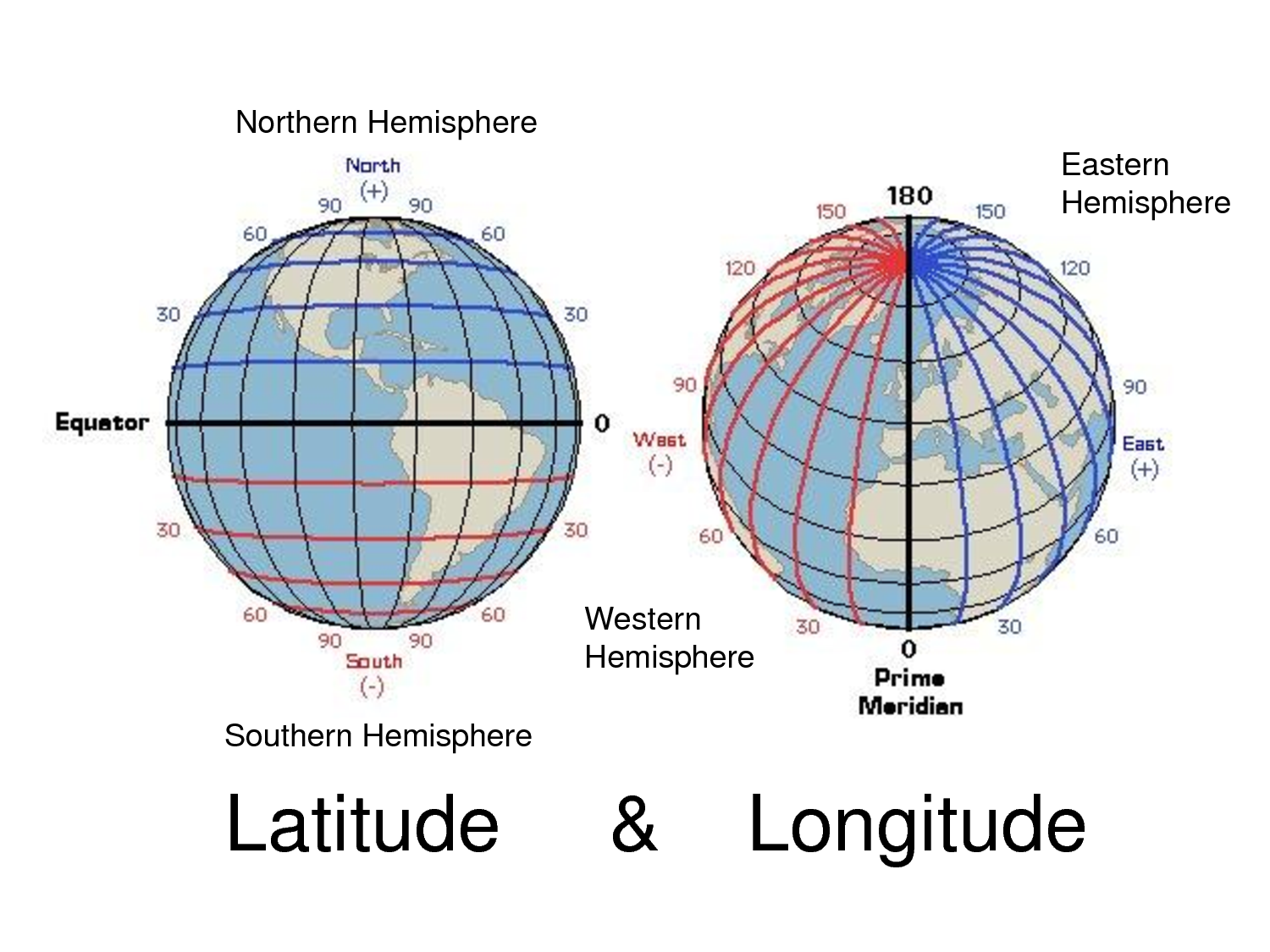
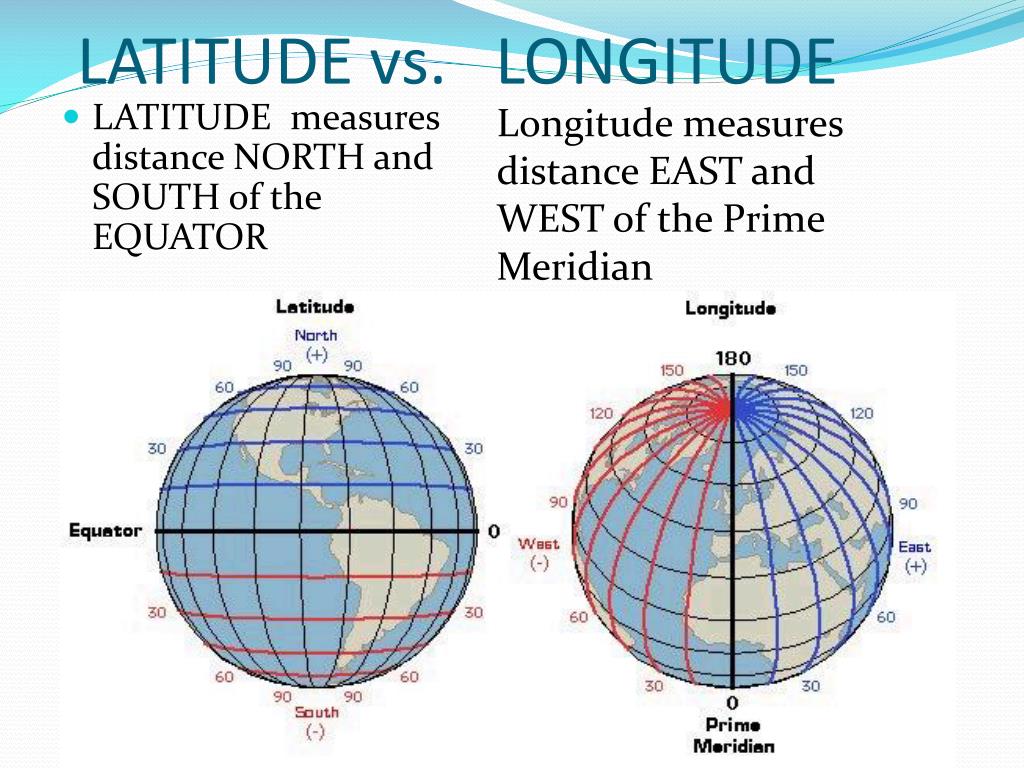
First things first, you need to know what kind of coordinates you're dealing with. Imagine latitude and longitude as a global grid system. Latitude is like the rungs on a ladder, running east to west, measuring how far north or south you are from the equator. Longitude is like lines drawn on a globe from top to bottom, measuring how far east or west you are from the Prime Meridian. Think of it as the international date line's much cooler cousin.
Now, about those formats… they can be a bit like choosing between ketchup and mustard – both good, but different! The most common formats are:
Must Read
- Decimal Degrees (DD): This is the easiest to plug in! It looks like this: 34.0522° N, -118.2437° W. Notice the degrees symbol (°)? And the "N" and "W" (or "S" and "E") to tell you direction? Keep those!
- Degrees, Minutes, and Seconds (DMS): This one breaks things down a little more: 34° 03' 08" N, 118° 14' 37" W. Degrees, minutes ('), and seconds ("). It's like measuring time, but for the earth!
- Degrees and Decimal Minutes (DMM): A hybrid! It looks something like: 34° 03.132' N, 118° 14.622' W.
Pro-tip: Most mapping apps and devices are pretty good at recognizing these formats. But knowing which one you have is half the battle!
Plugging in the Coordinates: It’s Easier Than Baking a Cake!
Alright, you’ve got your coordinates, you know the format… let's get this show on the road! Whether you're using Google Maps, a GPS device, or some other fantastical contraption, the basic process is the same:
- Find the Input Field: Look for a search bar or a dedicated field for entering coordinates. It might say something like "Search," "Enter Coordinates," or even just a blank box that looks suspiciously coordinate-shaped.
- Choose the Right Order: This is crucial! Usually, it's latitude first, then longitude. But double-check! Some sites are rebels and do it the other way around. (Imagine accidentally telling your GPS to take you to the Arctic when you meant to go to the beach. The horror!) A handy trick is to look for labels like "Lat" and "Long" or "N/S" and "E/W."
- Type It In (Carefully!): This is where your inner perfectionist gets to shine. Enter the numbers, degree symbols, minute/second symbols, and directional letters (N, S, E, W) exactly as they appear. Double-check your work! One wrong digit and you could end up in a cornfield in Iowa instead of that amazing taco stand in Tijuana. (No offense to Iowa – I hear their corn is lovely!)
- Hit Enter (and Celebrate!): Once you're confident everything is correct, hit enter or click the "Search" button. If all goes well, your map should zoom to the location you specified. If not, don't panic! Double-check your input, make sure you’re using the correct format, and try again.
“Entering coordinates can be an exercise in precision…or a hilarious adventure in accidental discovery!” – Dr. MapQuest (probably)
Remember those directional letters (N, S, E, W)? They're super important! Think of them as the difference between "go left" and "go right." Without them, your GPS has no idea which direction to head. Leaving them out is like ordering a pizza without specifying what toppings you want. You might get something edible, but it probably won’t be what you expected.

For example, using decimal degrees, a latitude of 40.7128° without the "N" would be assumed as south! Also, in longitude negative numbers represent west, while positive numbers represent east. For example, -74.0060°.
A Few Extra Tips for the Coordinate Connoisseur:
- Copy and Paste is Your Friend: Whenever possible, copy and paste the coordinates to avoid typos. Seriously, it's a lifesaver.
- Test with a Known Location: Before embarking on a serious quest, test your coordinate-entering skills with a location you know, like your home or a local landmark.
- Don’t Be Afraid to Experiment: If you’re not sure, try different formats and see what works. Most mapping apps are pretty forgiving.
So, there you have it! Entering latitude and longitude is a skill that's both useful and empowering. Go forth, explore, and conquer the world… one coordinate at a time!