How To Drive In Ice And Snow

Okay, so picture this: I'm driving home one particularly slushy, sleety evening, the kind where the world looks like it's been painted by a very confused artist in shades of grey and white. Ahead of me, a shiny, brand-new SUV, probably fresh off the lot, is confidently zipping along. You know the type, right? Driver probably thinking, "Ha! My all-wheel drive makes me impervious to nature's tantrums!"
Suddenly, the car ahead hits a patch of black ice – invisible, treacherous stuff – and it's like watching a slow-motion ballet of utter panic. The brake lights flash, the wheels lock, and the SUV does a graceful, entirely involuntary 360-degree pirouette before gently nudging a snowbank. Nobody was hurt, thankfully, but it was a stark, chilling reminder: winter driving is a whole different ballgame. And honestly, it’s less about your fancy vehicle and more about your brain.
So, let's talk about navigating this slippery wonderland without becoming a YouTube compilation of winter driving fails. Because, truly, we've all been there, or at least witnessed someone who clearly hasn't quite grasped the concept. No judgment, just education!
Must Read
Slow Down, Buttercup!
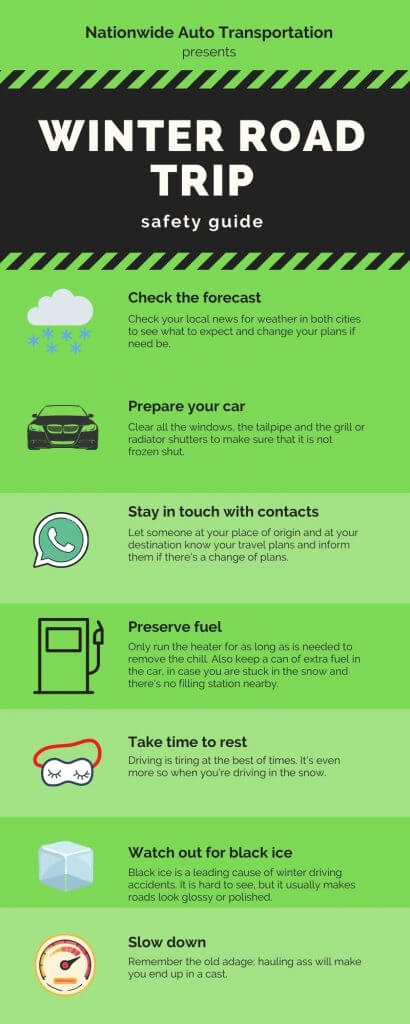
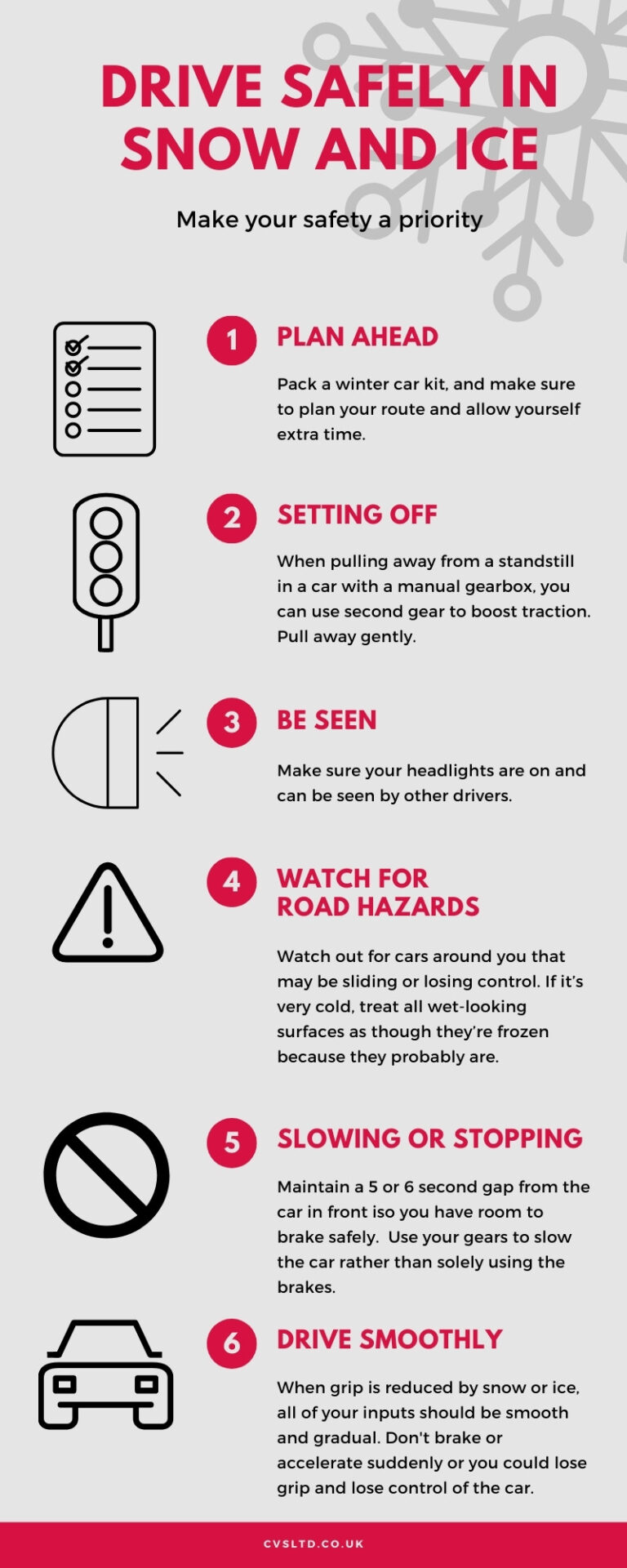
This is probably the most obvious advice, but also the most ignored. When roads are icy or snowy, your car simply doesn't have the same grip. It's physics, plain and simple. Think of it like walking on an ice rink in regular shoes versus ice skates. You wouldn't sprint, would you? So, why floor it in your car? Seriously, reduce your speed dramatically. And when I say dramatically, I mean like, "grandma going to church on Sunday" dramatically. Trust me, getting there late is infinitely better than not getting there at all, or worse, making an unscheduled visit to a ditch.
Smooth Operator
This is where finesse comes in. Imagine you're defusing a bomb – every movement needs to be gentle and deliberate. Sudden braking? Nope, that's a recipe for a slide. Quick, sharp turns? Absolutely not, unless you enjoy spinning. Rapid acceleration? A definite no-go. Every input you give to the steering wheel, accelerator, and brake pedal should be as smooth as a baby's bottom. The goal is to avoid anything that could upset your car's delicate balance with the slippery road.

Look Far Ahead (and Plan Your Escape)
In winter, you need to channel your inner psychic. Okay, maybe not psychic, but definitely an advanced planner. You need to be constantly scanning the road much further ahead than you usually would. See those brake lights two cars up? Time to start easing off the gas, even before you need to brake. Spot a potentially icy patch? Adjust your speed and steering well in advance. This gives you time to react to hazards and gives your car more time to respond to your gentle inputs. Anticipation is your superpower.
Braking Baddies: The ABS Debate
Modern cars have ABS (Anti-lock Braking System), which is great! It prevents your wheels from locking up, allowing you to steer while braking. But here's the kicker: it doesn't magically make you stop on a dime on ice. If your car starts skidding, do NOT slam on the brakes and hold them down hard. Instead, apply firm, steady pressure. You might feel the pedal pulsate – that’s ABS doing its thing. Just keep that steady pressure and steer gently in the direction you want to go. If you don't have ABS (and bless your heart, get a newer car!), you'll want to 'pump' the brakes gently to avoid locking up.
Tires, Tires, Glorious Tires!
You can have the best driver in the world, but if your tires are bald or not suited for winter, you're pretty much playing Russian roulette. Good quality winter tires are an absolute game-changer. They have a different rubber compound and tread pattern designed to grip better in cold temperatures, snow, and ice. All-season tires are a compromise; they're "all-season" but not "all-condition." If you live somewhere with real winters, invest in dedicated winter tires. It's not an expense, it's an insurance policy!
AWD/4WD: Not a Superpower!
Remember that SUV from the beginning of our story? It probably had AWD. Here's the truth: all-wheel drive and four-wheel drive help you get going in slippery conditions. They do very little to help you stop or turn. Your ability to stop and turn is still entirely dependent on tire grip, which is equally diminished for AWD vehicles on ice and snow. So, while it's nice to feel the traction getting off the line, don't let it fool you into thinking you're invincible. You're still just as likely to slide as anyone else when braking.

What If You Slide?
First, don't panic! Easier said than done, I know. But panicking often leads to over-correcting. If the rear of your car starts to slide out (oversteer), steer gently into the skid (meaning, turn the wheel in the direction the rear of the car is sliding). If the front of your car pushes straight ahead (understeer), ease off the gas and gently reduce steering input until the tires regain grip, then steer gently. It takes practice, and ideally, you'd try this in a safe, empty, snowy parking lot (with permission!) rather than on the highway.
Driving in ice and snow isn't about being a daredevil; it's about being smart, cautious, and incredibly patient. Give yourself extra time, leave enormous amounts of space between you and other cars (seriously, double or triple your normal following distance!), and always, always remember that no matter how good you think you are, physics always wins. So, stay safe out there, my friends, and let's all try to avoid becoming the next viral winter driving mishap!