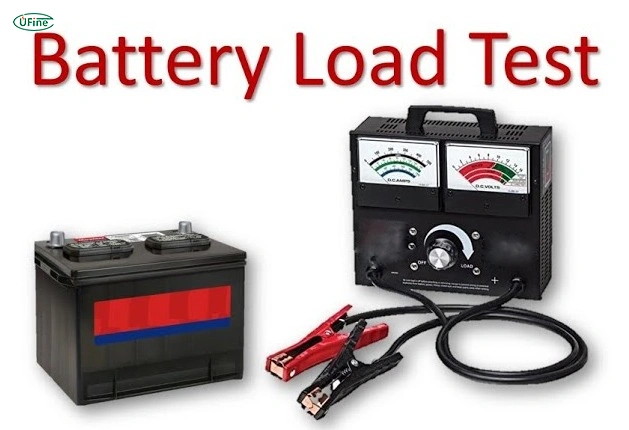
How To Do A Battery Load Test

Ever had that gut-wrenching moment? You turn the key, ready to conquer your day, and all you get is a pathetic click or, worse, deafening silence. Your car battery, that silent workhorse, has called it quits. Or maybe your trusty flashlight, after years of loyal service, suddenly dims into a sad glow when you need it most. We’ve all been there, and it usually happens at the absolute worst time!
Well, what if I told you there’s a super simple, slightly detective-like trick to catch these battery blips before they leave you stranded? It's called a battery load test, and it’s like giving your battery a little pop quiz to see if it’s truly ready for primetime, or just pretending.
Why Should You Even Care About a Battery Pop Quiz?
Think of your battery like that friend who always says, "I'm totally fine!" even when they're clearly on the brink of exhaustion. A regular voltage test (like the kind your car does when it shows a little battery light) is a bit like asking your friend, "Are you breathing?" and getting a "yes." Great! But it doesn't tell you if they can actually run a marathon, or even carry the groceries. That’s where the load test comes in.
Must Read
Your car battery, for instance, might show a healthy 12.6 volts when it's just sitting there, fully charged. But when you ask it to do the heavy lifting of cranking an engine – which is a huge electrical demand, like asking a tiny person to lift a sofa – it might just collapse. The voltage could plummet, and your engine stays stubbornly still. That’s the difference between looking charged and actually being capable.
Knowing your battery's true strength can save you from a whole heap of headaches. Imagine avoiding that morning scramble, the frantic calls for a jump start, or even a hefty tow truck bill. It's like checking your fridge before a big party to make sure it's actually cold, not just plugged in. You want reliability, right?
So, What Exactly Is This "Load Test" Magic?
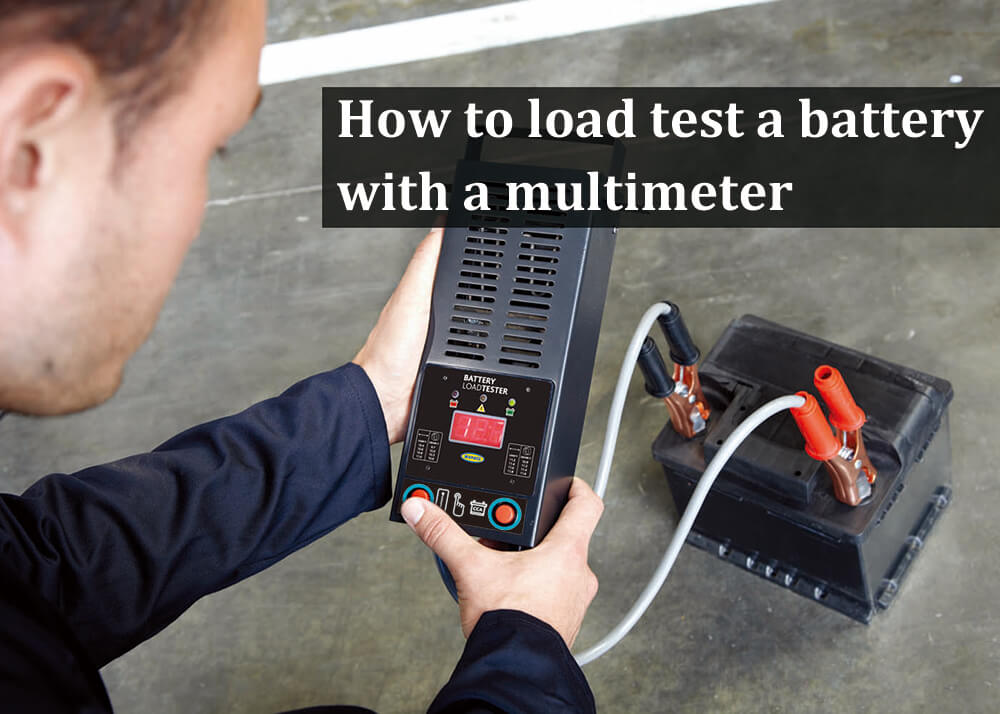
A battery load test is pretty straightforward. Instead of just measuring the static voltage (how much potential energy is stored), it actually puts a temporary, controlled "load" (meaning, it makes the battery work hard) on the battery and then measures how well the voltage holds up under that stress. It's like asking your battery to do a short, intense sprint, and then seeing if it finishes strong or wheezes across the line.
This test simulates the real-world demands your battery faces, especially during engine startup. If your battery can't maintain a healthy voltage when it's really trying, then you know it's on its way out, even if it looks perfectly fine on a casual inspection.

Ready for a Quick Battery Workout? Here’s How It’s Done!
Don't worry, you don't need a mechanics degree. A basic handheld battery load tester is a pretty inexpensive and easy-to-use tool. You can find them at most auto parts stores.
First, a quick safety message: Batteries are powerful. Always wear safety glasses and gloves when working around them. Think of it like cooking: you wear an oven mitt, right? It’s just being smart.

- Get Charged Up (Literally!): For an accurate test, your battery should be fully charged. No cheating! If it’s been sitting for a while, give it a good charge first.
- Locate Your Power Source: Find your car battery. Usually under the hood, sometimes in the trunk, or even under the back seat (those quirky European cars!).
- Connect Your Tester: Your load tester will have two clamps – a red one and a black one.
- Attach the red clamp to the positive terminal of your battery (it’ll usually have a "+" sign and might be bigger).
- Attach the black clamp to the negative terminal (look for a "-" sign). It’s like matching socks!
- Give It a Little Workout: Now, this is the fun part. Most load testers have a button or switch to apply the load. Press it down for about 10-15 seconds. You'll hear a little whirring or buzzing sound as the tester pulls current from the battery. This is the battery doing its "sprint"!
- Read the Report Card: While the load is applied, look at the gauge or digital display on your tester. This is the crucial number. For a 12-volt battery, you're generally looking for a voltage reading that stays above 9.6 volts during the 10-15 second test.
What Did Your Battery’s Report Card Say?
So, you’ve done the test, and you have a number. What does it all mean?
- Above 9.6 Volts: High fives all around! Your battery is strong and healthy. It's got the juice to crank that engine or power that flashlight beam without breaking a sweat. You're good to go!
- Below 9.6 Volts (or dropping rapidly): Uh oh. Your battery just failed its pop quiz. This means it might look fine, but it doesn't have the internal capacity or stamina to deliver power when it's really needed. It's probably time to start thinking about a replacement sooner rather than later. Don't wait for it to strand you!
Remember, a battery's life isn't forever. They typically last anywhere from 3 to 5 years, depending on your climate and driving habits. Giving it a load test periodically – maybe once a year, or before a big road trip – is like giving yourself peace of mind. It’s a little investment in time and a small tool that can save you a mountain of frustration.
So, go ahead, give your battery a load test. You might just uncover a hidden hero, or save yourself from a future headache. Happy testing!