
How To Disconnect A Hardwired Smoke Alarm
Alright, let's talk about that moment. You know the one. That ear-splitting, high-pitched chirp from your hardwired smoke alarm, signaling either a dying battery (even though it's wired!) or, worse, a full-blown shriek because your toast got a little too ambitious. We've all been there, standing on a chair, waving a dishtowel like a frantic semaphore operator, wishing for a magic mute button.
But guess what? You don't need a magic wand. You just need a little know-how, and a dash of courage. Because today, my friend, we’re going to peek behind the curtain of that mysterious, ceiling-mounted sentinel and discover how to safely disconnect a hardwired smoke alarm. It’s not just for those emergency false alarm moments; it’s about understanding your home, taking control, and feeling like a total domestic superstar!
Why Bother Learning This? It's More Than Just Peace and Quiet!
You might be thinking, "Why would I ever want to disconnect a smoke alarm?" Excellent question! While safety is paramount (and we'll always advocate for working smoke alarms!), knowing this skill offers unexpected perks:
Must Read
- The Culinary Save: Ever set off the alarm searing a steak or baking cookies? Instead of flailing, imagine calmly silencing it, rectifying the situation, and then reconnecting. Pure kitchen confidence!
- Replacing Old Units: Smoke alarms have a lifespan, typically 10 years. Learning to disconnect means you can confidently swap out an expired unit for a new, reliable one without a service call. You’re your own home maintenance crew!
- Cleaning & Painting Projects: Painting a ceiling or giving the alarm a thorough dust-off (to prevent false alarms!) is much easier when you can safely remove the unit. No more awkward angles!
- Temporary Silence: Sometimes you might need to do some dusty work nearby, or a repair that genuinely causes some smoke. A temporary, controlled disconnection prevents unnecessary panic.
It’s about having a sense of agency over your living space. It’s about demystifying what seems complex and realizing that much of your home is understandable, and manageable, by you.
The Golden Rule (Seriously, This One's Non-Negotiable!)
Before we even think about touching wires, there’s one absolutely crucial step. Are you ready? Lean in close:
ALWAYS, ALWAYS, ALWAYS turn off the power to the smoke alarm circuit at your electrical breaker box before you do anything else.
This isn't a suggestion; it's the absolute foundational step for your safety. Find the breaker labeled for your smoke alarms (or the general area like "lighting" or "upstairs circuits"). Flip it off. If you’re unsure, flip the main breaker. Better safe than sorry, right? Now, give it a moment, maybe try flipping a light switch in that area to confirm the power is indeed off. Safety first, empowerment second!
Let's Get Disconnecting (The Empowering Part!)
Okay, power off? Excellent! Now, let’s get down to business.
1. Access the Alarm: You’ll need a sturdy step ladder. Safety first again! Make sure it’s stable.
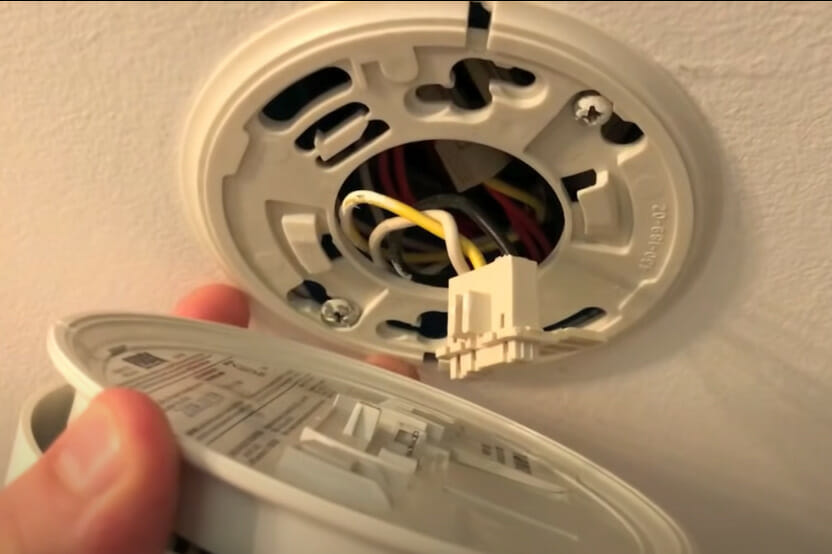
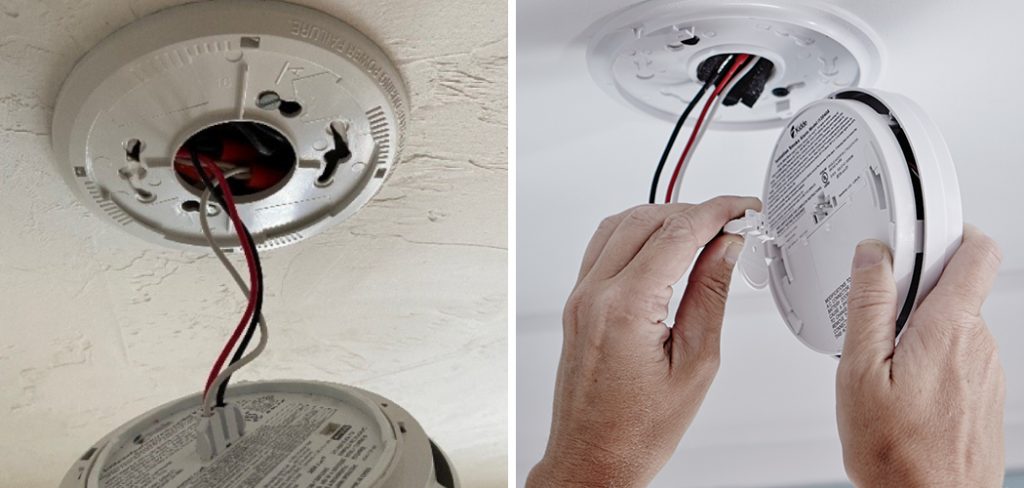
2. Twist and Remove: Most hardwired smoke alarms attach to a mounting bracket with a simple twist. Gently turn the alarm unit counter-clockwise, and it should detach from its base. You'll see a small bundle of wires connecting it to your ceiling.
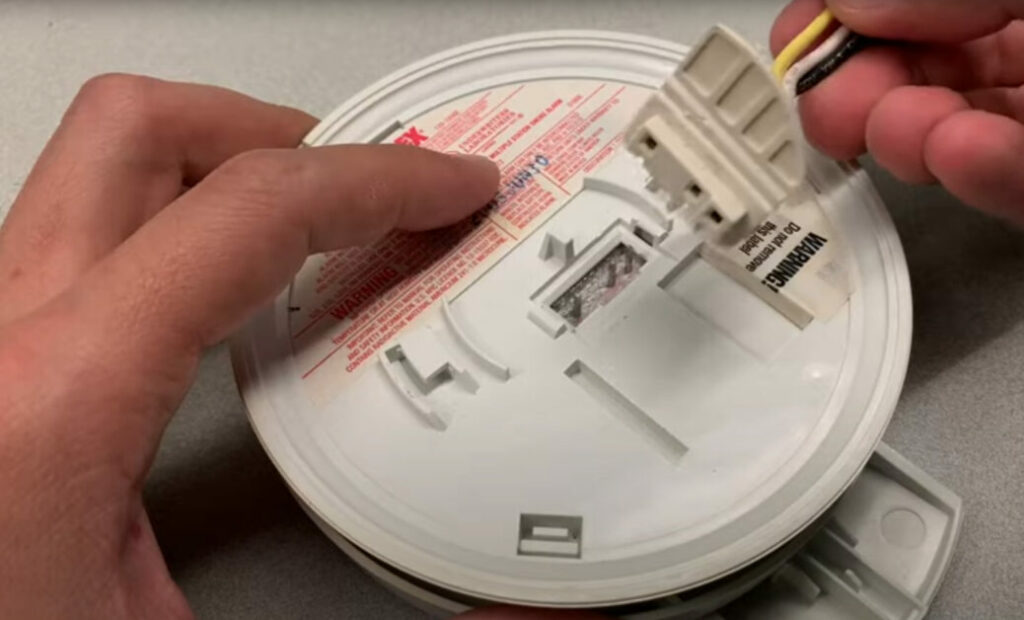
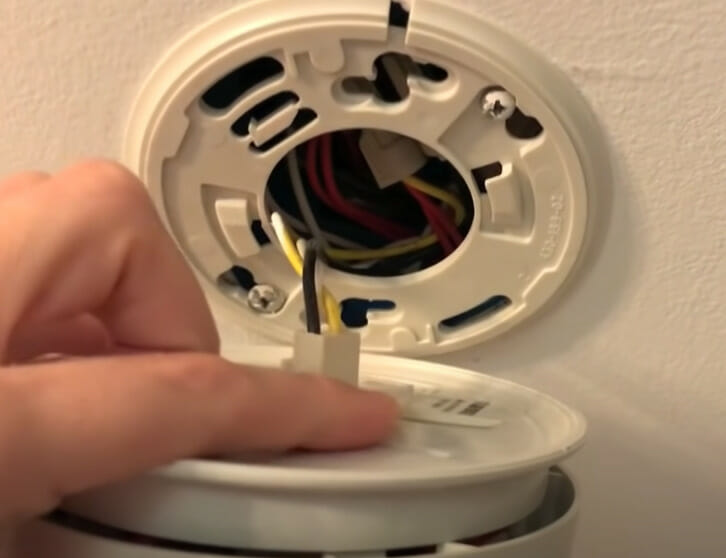
3. The Wire Harness: Connected to the back of your smoke alarm, you'll find a small plastic plug or harness. There's usually a small tab you press, or a lever you lift, to release the plug from the alarm unit itself. Gently pull it apart.

Voilà! The alarm unit is now disconnected from its power source.
4. What About the Wires in the Ceiling? The wires usually consist of a black (hot), white (neutral), and red or orange (interconnect for linking multiple alarms), plus a bare copper or green (ground) wire. These connect to the mounting bracket. If you're only replacing the alarm unit, you don't need to touch these. If you're removing the entire bracket (e.g., for painting), you’ll need to carefully untwist the wire nuts connecting them. Take a photo first!
5. Reconnecting: If you’re just putting the old (or a new) unit back, simply reverse the steps: plug the harness back into the alarm, twist the alarm unit clockwise onto its mounting bracket. Then, go back to your breaker box and flip the power back on. Always test the alarm using its test button after reconnecting.
Feeling Empowered Yet? Absolutely!
See? It wasn't nearly as scary as that piercing chirp, was it? You’ve just taken a step towards truly understanding a part of your home that many people find intimidating. This isn't just about disconnecting a smoke alarm; it’s about realizing that with a little curiosity, a commitment to safety, and a willingness to learn, you can tackle tasks that once seemed out of reach.
Think about it: if you can confidently handle a hardwired smoke alarm, what else in your home can you learn to manage? Changing a light fixture? Fixing a leaky faucet? Each small skill you acquire builds your confidence and makes your home feel more like yours in the most profound way.
So, the next time something in your home feels daunting, remember this moment. Remember the satisfaction of taking control. Go forth, be curious, learn new things, and transform your living space into a testament to your own growing capabilities. The world of DIY isn't just about saving money; it's about enriching your life with skills, confidence, and a deeper connection to your surroundings. Happy learning!