
How To Disable First Alert Smoke Alarm
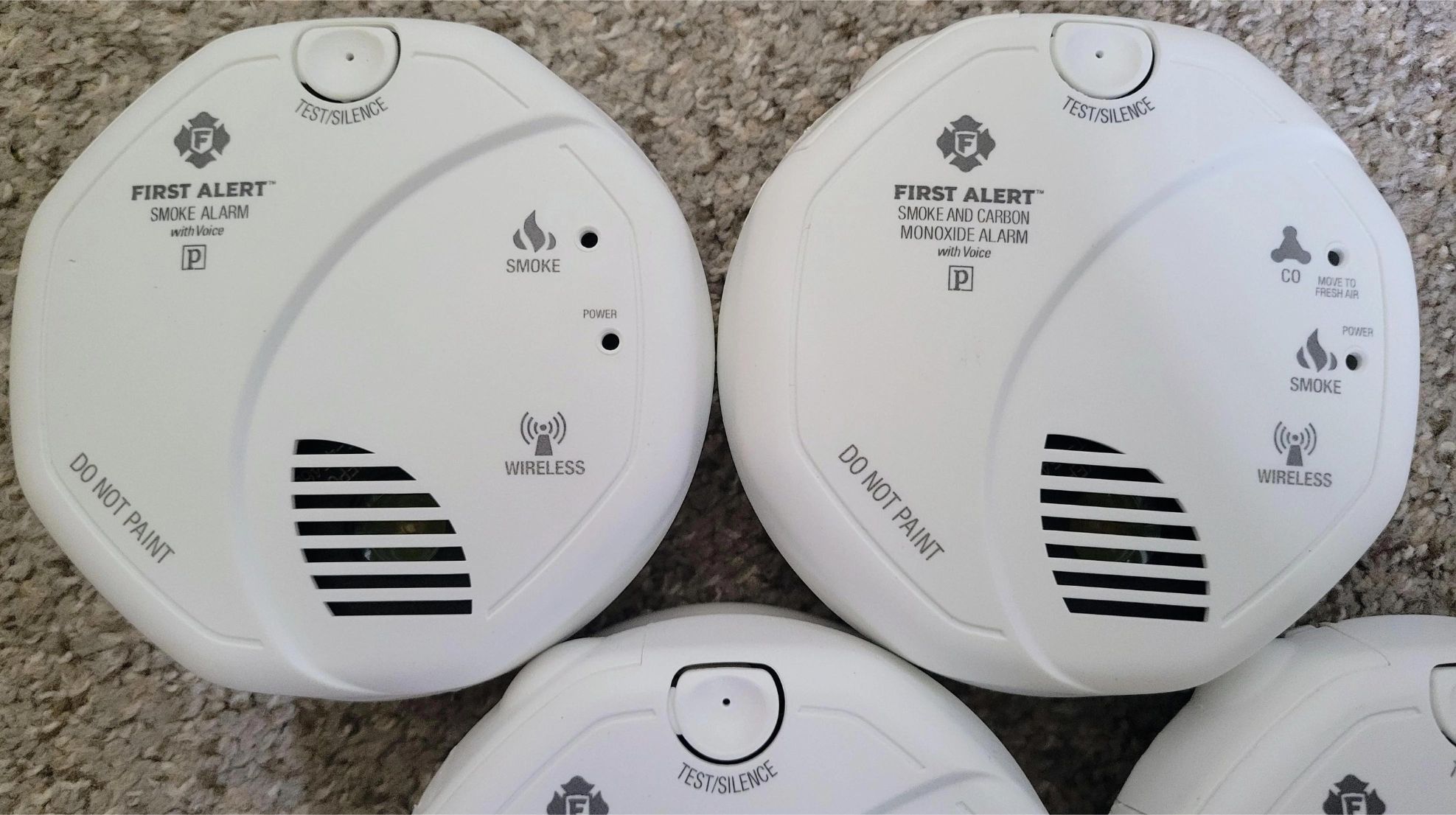
There's a certain silent sentinel in many of our homes, a watchful eye in the ceiling, often from the trusted name of First Alert. It sits there, mostly unnoticed, a quiet guardian of our peace. But sometimes, even guardians need a moment of respite, a gentle pause in their vigilant duties. This is a story about that moment, a small ballet of interaction between human and device.
Our journey begins with a simple upward gaze. The device, a circular marvel of modern engineering, resides high above, a disc of white or off-white plastic. It’s a familiar sight, yet one rarely studied up close. Today, however, is different. Today, we engage with its silent presence in a new way, with a gentle intention.
First, we need to bridge the gap between floor and ceiling. This often calls for a trusty companion, something tall and steady. A ladder, perhaps, becomes our temporary tower of ascension, a gateway to the heavens of our living space. Ensure it's placed firmly, its feet grounded, ready to elevate you to your task.
Must Read
"Every journey begins with a single step, or in this case, a sturdy climb."
As you ascend, the familiar form of the First Alert guardian comes into clearer focus. You might notice the small vents, the subtle branding, the LED light that usually blinks with a reassuring, quiet cadence. This is where our gentle interaction begins. Take a moment to simply observe its design.
Most of these thoughtful devices offer two primary avenues for their temporary slumber. One involves its internal power source, the tiny heart that keeps it ticking. The other, for some models, is its connection to the home's larger electrical embrace. We'll explore both, with the utmost care.
The Battery Ballet
For many First Alert models, the first port of call is the battery compartment. It’s usually a cleverly disguised panel, often on the side or the back if the unit twists off its base. Look for a small indentation, a tab, or perhaps an arrow indicating a gentle rotation. This is the device’s subtle invitation.
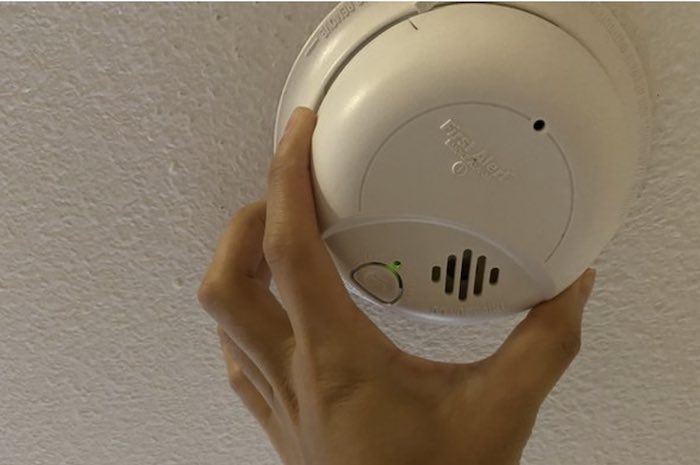
A delicate twist, perhaps a quarter turn counter-clockwise, can release the main unit from its ceiling mount. It might click or give a soft sigh as it detaches. Hold it carefully in your hands, a lightweight testament to ingenious design. This is your chance to appreciate its engineering.
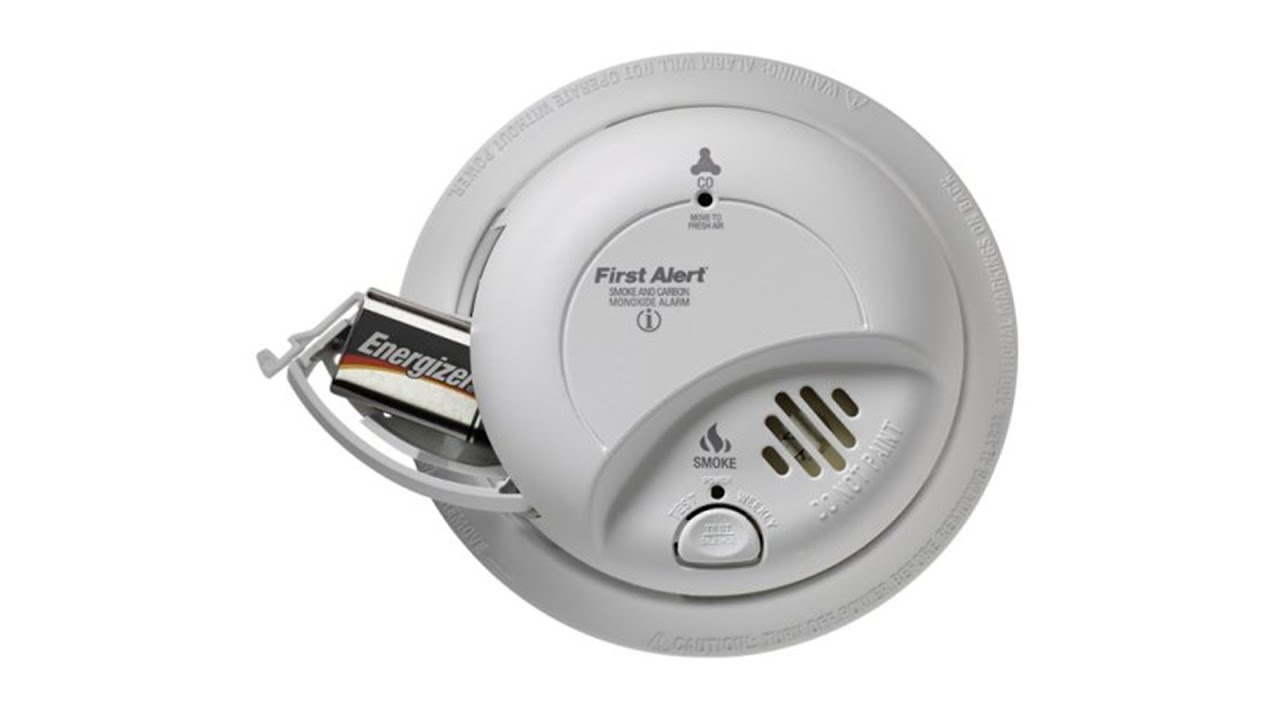
Once in hand, locate the battery door. Sometimes it slides open with a gentle push. Other times, a small tab needs to be pressed or a tiny screw, requiring a Phillips head screwdriver, might need a quick, careful turn. Treat it with the respect due to a sleeping giant.
Inside, you'll find the power source, often a 9-volt battery, rectangular and familiar. Sometimes it's a pair of AA or AAA batteries, arranged neatly. Disconnecting it is as simple as gently prying one end free, then the other, from its snug connectors. It's a small act, a quiet disconnection, like turning off a tiny light.
Place the battery aside. It can be a moment of quiet reflection, a symbolic pause. The device, now free of its immediate power, rests. This act alone is often the graceful conclusion to our little interaction, bringing a certain peace to the environment.

The Wired Waltz
Some First Alert models, particularly those that are part of a larger network, are also connected to your home's electrical system. Even with the battery removed, they might still hum with a faint, residual energy. This step requires a bit more nuance and a watchful eye.
If your unit twisted off its mount, you’ll likely see a small wiring harness connecting it to the ceiling plate. This harness usually has a quick-release clip, a clever mechanism designed for easy installation and, indeed, easy disengagement. It's often white, with a small tab you can gently press.
With a soft pinch of your fingers on the tab, the connection releases. It’s a clean break, a quiet separation of duties. The device is now completely independent, held only by your hands. This is often an amusing moment, holding the now-silent guardian.
"It's like pressing the 'pause' button on a particularly dedicated robot."
You might choose to tuck the wire harness back into the ceiling box, out of the way, for a tidy finish. Or, for a temporary respite, simply let it hang gently from its mount, a silent promise of reconnection when the time is right. The choice is yours in this small, personal narrative.
Remember to handle the detached unit with care. It's a robust piece of equipment, but unnecessary jostling is never recommended. You can place it on a soft surface, perhaps on a shelf or in a drawer, awaiting its next call to duty. It’s like putting a loyal pet to bed.
The Return to Calm
With the device now comfortably at rest, you can descend your ladder. There’s a noticeable shift in the atmosphere, a subtle change in the soundscape of your home. A space that perhaps had a specific hum now feels different, quieter in a new way. It's a sensation often accompanied by a small smile.
This interaction with your First Alert guardian isn't just about the mechanics. It’s about understanding the simple devices that underpin our daily lives. It’s a moment of empowerment, realizing that these common household items are not mysterious, but approachable.

Perhaps you'll notice other things now, the soft creak of the floorboards or the distant chirping of birds, sounds previously masked by the subtle energy of your guardian. It's a new perspective, born from a simple, gentle act of interaction. A truly heartwarming shift.
And so, the silent sentinel rests. It’s not a permanent goodbye, but a temporary reprieve. A moment for both you and your home to experience a different kind of quiet. This small task, once a potential source of minor frustration, transforms into a simple, almost meditative experience.
You've engaged with a piece of everyday technology, understood its inner workings, and respectfully guided it to a peaceful halt. This simple "how-to" isn't just about disabling an alarm; it's about gaining a quiet mastery over the small, predictable wonders of our modern world. It’s an oddly satisfying achievement.
The next time you look up at that empty spot on the ceiling, or even when you see a similar device elsewhere, you'll have a new appreciation. You'll know the quiet ballet that can unfold, the gentle interaction that brings about a temporary, but profound, sense of calm. The First Alert, in its quiet absence, teaches us about presence.