
How To Detect Gas Leak In Home

Okay, buckle up, buttercup! We're diving into a topic that might sound a little… serious, but trust me, we're going to make it fun. We're talking about how to detect a gas leak in your home. "Fun?" you ask. Absolutely! Because knowing this stuff is like having a secret superpower. Plus, there are some seriously quirky details we're about to uncover!
Your Nose Knows: The Olfactory Olympics!
First up, the undisputed champion of gas leak detection: your nose! You've heard it before, right? That dreaded rotten egg smell. But here's the fun fact: natural gas, in its purest form, is actually odorless. Mind-blowing, right?
Yep, gas companies are the real heroes here. They add a special stinky chemical called mercaptan to the gas. And why rotten eggs? Because it’s a smell that’s so universally awful, so uniquely memorable, that you’re not likely to confuse it with last night’s questionable leftovers. Imagine if they made it smell like fresh baked cookies? Disaster! You'd just think your neighbor was a fantastic baker, not that your house was about to become a giant science experiment gone wrong. So, big shout out to the inventors of the rotten egg smell – truly genius!
Must Read
So, if you get a whiff of something that makes your nostrils recoil faster than a vampire seeing sunlight, pay attention! It’s your first and often most reliable alarm bell.
Listen Up! The Symphony of the Leak
Sometimes, gas doesn't just hang around waiting for your nose to get the memo. It's often in a hurry! And when it rushes out of a tiny crack, it can make a sound. Think of it as your home whispering a warning.

What kind of sounds are we talking about? Listen for a subtle hissing or whistling sound near gas lines, appliances, or even where pipes enter the wall. It might be faint, like a secret agent trying to sneak past you, or it could be more pronounced, like a tiny tea kettle boiling. This is especially true if you have an appliance like a stove or water heater that suddenly seems to be making odd noises.
It's like your home is playing a game of "I Spy" with sound effects! Take a moment to just listen. Sometimes, in our noisy lives, we forget the power of quiet observation. And who knew a gas leak could provide such a dramatic soundtrack?
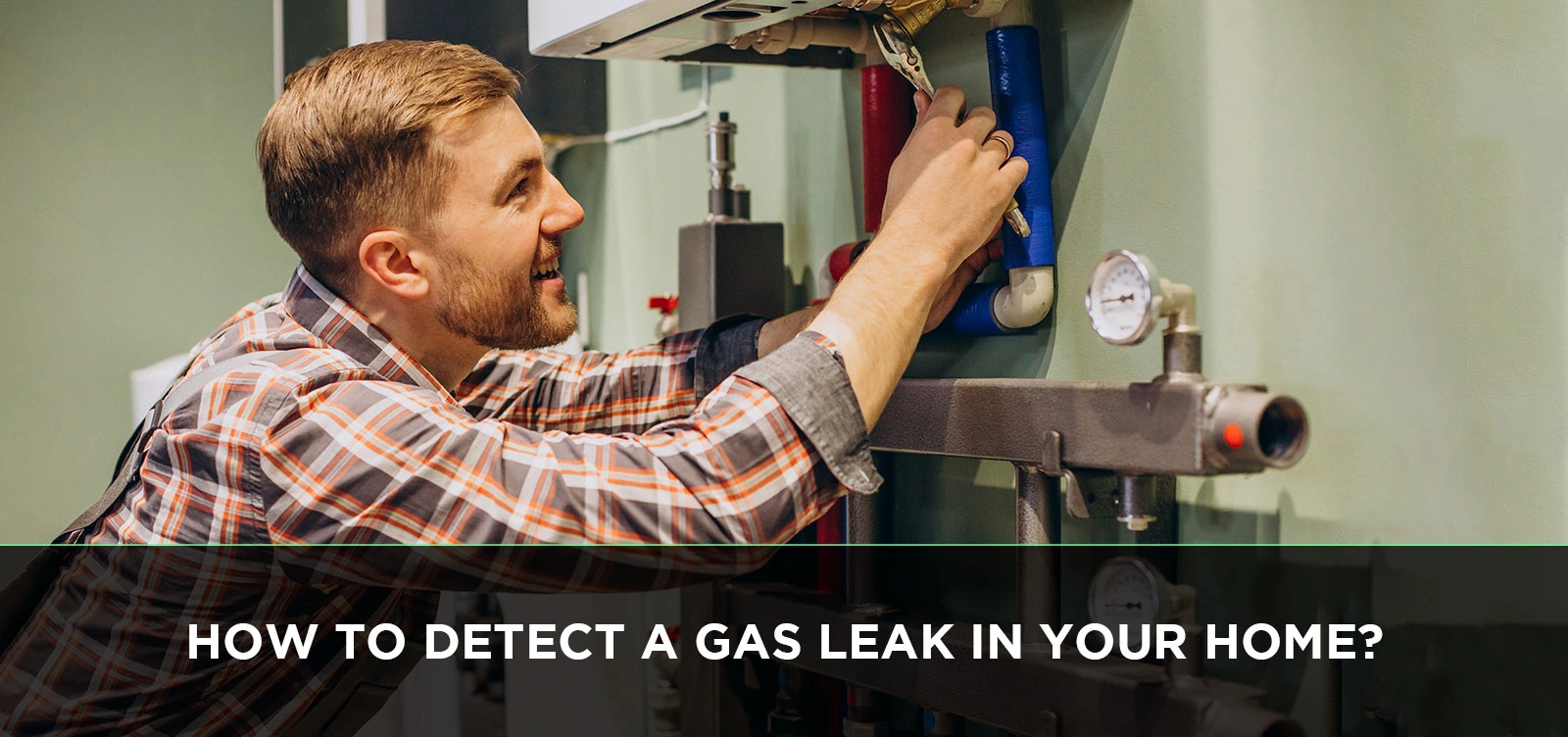
The Visual Clues: An Art Detective's Dream!
Your eyes aren't just for binge-watching your favorite shows, friend! They can also be super sleuths when it comes to gas leaks. This is where it gets a little more like a cool science experiment.
The Bubble Test (aka The Soapy Solution)
Got a hunch but no smell or sound? Grab some dish soap and water, mix it up, and make a nice soapy solution. Now, carefully dab or spray this solution onto gas lines, connections, or fittings. If you see bubbles forming where there shouldn't be any, congratulations, you've found a leak! It's like a tiny, urgent bubble bath for your pipes. How cool is that? You're basically a junior scientist in your own kitchen.
Other Odd Sights
- Are plants near a gas appliance suddenly looking a bit… droopy? Like they've had a really bad day? Gas can displace oxygen and affect living things. Your houseplants might be the unsung heroes, silently waving their wilted leaves as a warning. They're like little green canaries in a coal mine!
- Look for dust or debris blowing around near a gas line or appliance. This could indicate a forceful, invisible stream of gas escaping. It’s like a tiny, localized dust storm caused by a runaway gas molecule.
- If you're outside near your gas meter, keep an eye out for dead patches of vegetation or even a patch of snow that's melting faster than usual. Gas escaping into the ground can affect plant life and even warm the soil!
Your Body's Own Warning System (A Gentle Nudge)
While we like to keep things light, it's important to know that prolonged exposure to gas can cause physical symptoms. Your body is a pretty amazing piece of machinery, and sometimes it tries to tell you something's wrong.
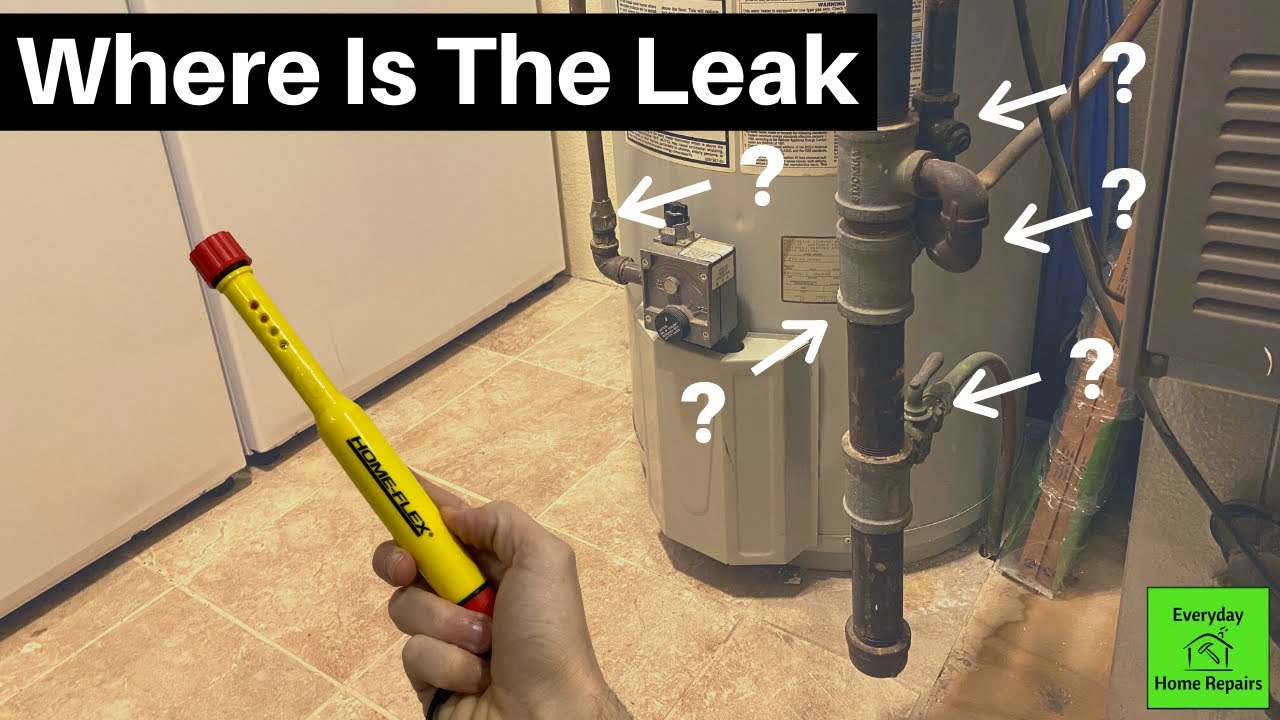
Keep an eye out for symptoms like dizziness, headaches, nausea, or fatigue, especially if they clear up when you step outside and return when you go back in. This is less about natural gas and more about its tricky cousin, carbon monoxide, which is odorless, colorless, and super sneaky. But sometimes, a significant natural gas leak can also reduce oxygen levels, leading to similar feelings. It's your body saying, "Hey, something's not right in here, chief!"
The Tech Wizards: Smart Detectors!
Finally, for those who love a bit of tech, there are always gas leak detectors! These gadgets are like having a tiny, ever-vigilant robot sniff-tester in your home. You can get standalone natural gas detectors or combo units that detect both natural gas and carbon monoxide (a fantastic idea, by the way, since CO is the truly silent danger).

These devices often plug into an outlet and will let out a loud alarm if they detect gas. It's like having an extra pair of super-sensitive nostrils working 24/7. Modern ones even integrate with smart home systems, sending alerts to your phone. How cool is that? Your house literally telling you, "Hey, friend, time to open a window!"
The Golden Rule: Don't Panic, Act Fast!
If you ever suspect a gas leak based on any of these awesome detection methods – smell, sound, sight, or tech alert – the most important thing is to act quickly and calmly. Don't flip light switches, don't use your phone inside, and definitely don't try to "fix" it yourself. Open windows and doors, get everyone (and pets!) outside, and then call your gas company or 911 from a safe distance. Seriously, this isn't the time for DIY heroics!
See? Who knew talking about gas leaks could be so engaging? It's all about understanding the world around us, spotting the quirks, and empowering ourselves with knowledge. Now go forth, my friend, armed with your new superpower of gas leak detection!