
How To Deal With Frozen Pipes

Alright, let’s talk about something totally riveting and surprisingly fun: frozen pipes! I know, I know, it sounds like the absolute opposite of a good time. But trust me, once you get into the quirks of it, it’s like a mini-mystery in your own home. And who doesn't love a good mystery?
Think of it as your chance to be a plumbing detective, a winter warrior, or even just someone who understands the bizarre science of water. Because, honestly, what water does when it freezes is just plain weird. Most liquids shrink when they get cold, right? Not water! Water puffs itself up like a proud, icy peacock, ready to take on the world... or, you know, your copper pipes.
The Great Water Expansion Mystery!
Here's a fun fact for your next dinner party: Water is one of the very few substances that expands as it freezes. It gets about 9% bigger! This is why ice floats, by the way. Imagine the sheer audacity of it! It’s like it’s saying, "I'm going to take up more space, and there's nothing you can do about it!" This expansion creates immense pressure inside your pipes. We’re talking thousands of pounds per square inch. That’s enough to make even the toughest pipe say, "Uncle!"
Must Read
So, it’s not just the ice block itself that's the problem; it’s the pressure building up behind it, pushing against an obstruction. Think of it like a tiny, frozen dam inside your house, with a raging river behind it, all set to burst through the weakest point. Drama! Intrigue! All happening silently, until... well, until it’s not silent anymore.
Is Your Pipe a Popsicle? Spotting the Signs
How do you know if you've got a frosty situation brewing? Usually, the first clue is a classic "tap-turn-no-water-flow" scenario. You turn on the faucet, and nothing, or maybe just a sad little drip, drip, drip. Disappointing!

Sometimes you might hear strange gurgling sounds, or conversely, a suspicious silence. If you can see your pipes (like in a basement or crawl space), you might even spot frost on the outside. Or perhaps there's a visible bulge in the pipe. That's your pipe doing its best impersonation of a really full sausage. Not ideal!
Your Mission, Should You Choose To Accept It...
Okay, so you’ve identified a frozen pipe. Deep breath. This is where your inner hero emerges. First things first: turn off your main water supply. This is crucial! If the pipe does burst when it thaws, you don’t want a mini-flood on your hands. It’s like hitting the pause button on the disaster movie.
Next, you need to locate the frozen section. Follow the pipes from where the water stops flowing. Is it a pipe running along an exterior wall? Under a sink cabinet that got chilly? In a crawl space? You're getting warmer! (Hopefully, literally.)
The Thaw Patrol: Gentle Heat is Your Friend
Now for the fun part: thawing! But proceed with caution, grasshopper. We want to be gentle. Think of it like coaxing a shy squirrel, not blasting it with a firehose.

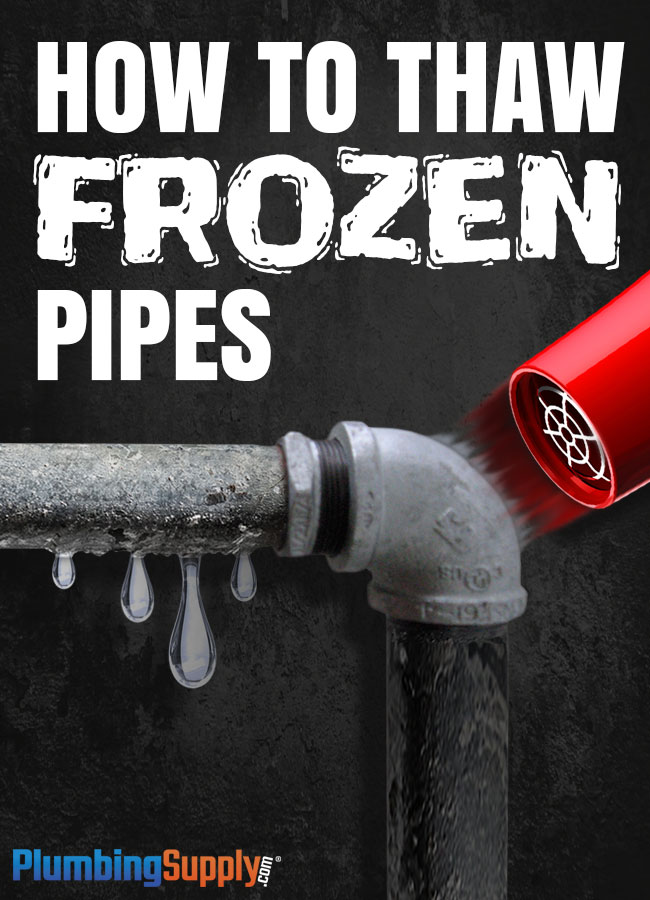
- Hairdryer Hero: Grab your trusty hairdryer. Set it to a medium heat and wave it slowly back and forth along the frozen section. This is your precision tool, melting the ice bit by bit.
- Heating Pad Pal: A heating pad wrapped around the pipe can work wonders, especially if you have to step away for a moment. Just make sure it’s safe and not left unattended for too long.
- Hot Towel Trick: Soak towels in hot water, wring them out, and wrap them around the pipe. Replace them often as they cool. This is the spa treatment for your pipes.
BIG NO-NOs: Please, for the love of all things plumbing, do not use an open flame (like a blowtorch!). You could start a fire, damage the pipes even worse, or melt off the insulation. Also, avoid pouring boiling water directly on pipes, especially PVC. The sudden temperature change can cause them to crack or burst. We’re going for a gentle thaw, not a shock-and-awe campaign.
And here’s a crucial little trick: once you start thawing, keep a faucet open that's downstream from the frozen spot. This allows melting water to drip out and relieves pressure, helping the ice melt faster. It's like letting out a little sigh of relief for your pipe.
Victory Lap (or Call a Pro)
Once the water starts flowing freely again, keep an eye out for leaks. If you notice any drips, it means the pipe might have burst. Don't fret! You did your best. At this point, it’s time to call in the professionals. They have magical tools and know-how for fixing burst pipes. But hey, you tried!
Preventing Future Pipe-Popsicles: The Smarty-Pants Guide
Want to avoid this frosty drama next winter? A few simple steps can make you a pipe-protection guru:
- Drip, Drip, Drip: On very cold nights, let a few faucets drip slowly. Moving water is much harder to freeze.
- Open Cabinets: For sinks on exterior walls, open the cabinet doors underneath to let warmer air circulate around the pipes.
- Insulate! Wrap pipes in unheated areas (basements, crawl spaces, attics) with foam pipe insulation. It’s like giving your pipes a cozy sweater!
- Disconnect Hoses: Detach and drain garden hoses from outdoor spigots. Otherwise, water trapped in the hose can freeze, expand back into the pipe, and crack it. This one gets so many people!
- Keep it Warm: If you're going away during winter, don't set your thermostat below 55°F (13°C). Your pipes will thank you.
See? Who knew frozen pipes could be so... engaging? You’re now equipped with the knowledge to tackle this winter challenge like a seasoned pro. Go forth and conquer, you magnificent pipe whisperer!