
How To Create A Budget For A Small Business
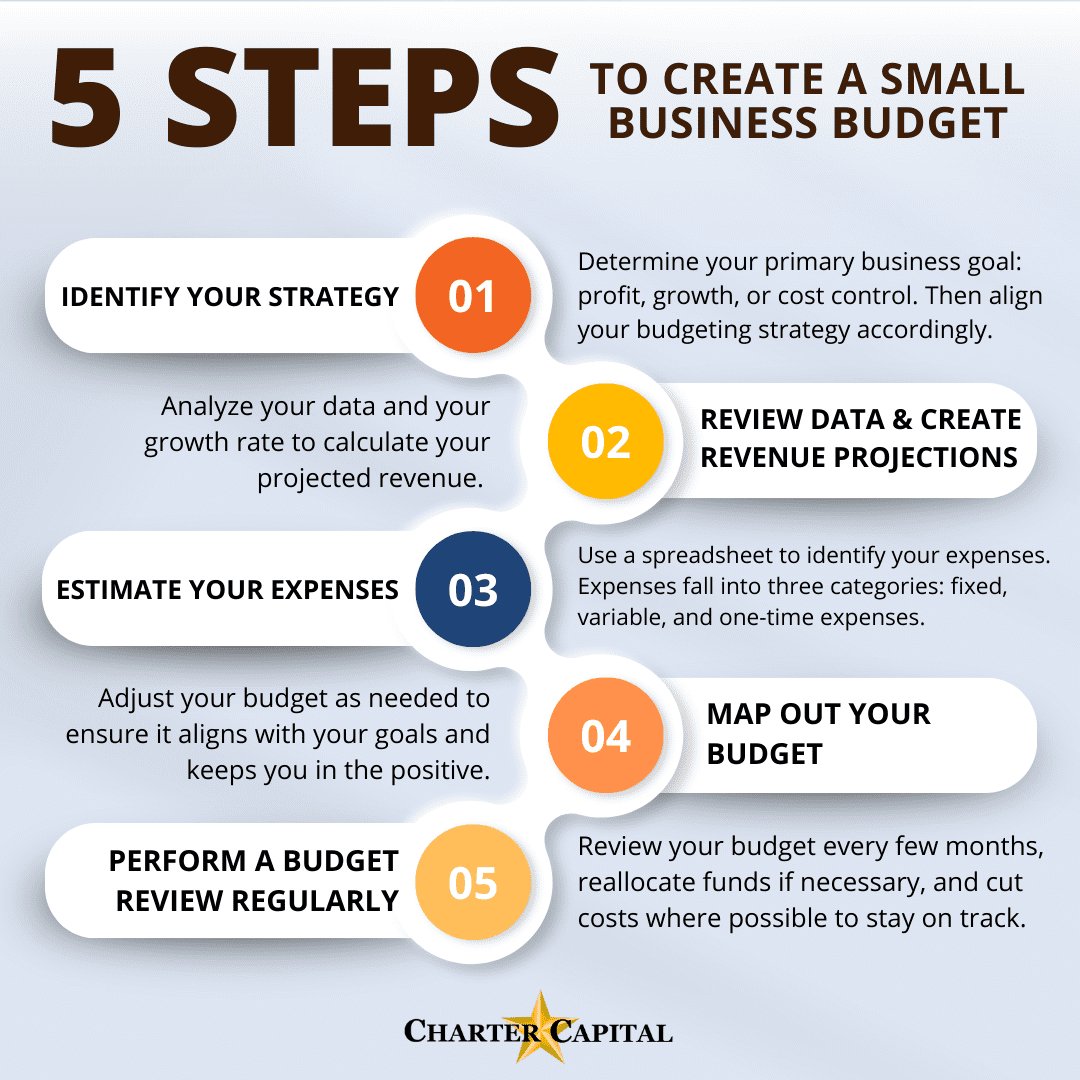
Budgeting for Your Small Business: It's Not a Monster, It's a Treasure Map!
Let's talk about something many small business owners dread more than a tax audit: creating a budget. I know, I know, the very word makes some people break out in hives. But here's my unpopular opinion: budgeting for your business can actually be a blast. No, seriously! It's like a grand treasure hunt for your money.
Think of your business budget not as a financial straitjacket, but as a super-powered spyglass. It helps you see where your hard-earned cash is going and, more importantly, where it could be going. No more guessing games! We're talking clarity, control, and maybe even a few extra dollars to play with.
Step 1: Become a Financial Detective – Gather Your Clues!
First things first, you need to play detective. Grab your magnifying glass and trench coat. Your mission, should you choose to accept it, is to gather all your financial intel. This means bank statements, credit card bills, and those crumpled receipts in your wallet.
Must Read
Don't be shy. Dive deep into the last three to six months of transactions. This might feel like opening a forgotten box in the attic, but trust me, there are valuable clues hidden within. We need to see the real picture of your business finances, not just the rosy one we tell ourselves.
Look for patterns. Are there regular income streams? What about those pesky recurring payments? We’re looking for the ebb and flow, the rhythms of your business cash. It’s like learning the secret handshake of your own money.
Step 2: Dream Big (But With Numbers) – Set Your Budget Goals!
Why are you doing this budgeting thing anyway? Is it just to avoid a panic attack when the bills arrive? Nope! This is your chance to get specific about what you want your business to achieve. Do you want to grow? Save for a massive expansion? Pay off some nagging debt?
Setting goals gives your budget a purpose, a north star. Without it, you're just counting beans aimlessly. Imagine wanting to build a spaceship but having no idea if you want it to go to the moon or Mars. Your budget needs a destination.
Make your goals clear. "Make more money" is good, but "increase monthly profit by 15% in the next six months" is even better. We’re talking specific, measurable, and totally achievable dreams. This is where the budget transforms from a chore into a powerful business tool.
Step 3: Count Your Gold – Estimate Your Income!
Alright, time for the fun part: counting what's coming in! Look at your past revenue. What's your average monthly income? Be realistic, maybe even a tiny bit conservative here. It’s always better to be pleasantly surprised than utterly disappointed.

Consider any seasonal fluctuations. Does your ice cream stand rake in cash in summer but barely make a dime in winter? Account for those peaks and valleys. Your budget isn't a rigid, unyielding monster; it's a flexible, understanding friend.
If you have multiple income streams, list them all. From product sales to services, consulting gigs to that unexpected lottery win (a business one, of course!). Get it all down. This is your foundation, your gold mine, the source of all good things.
Step 4: Uncover the Money-Munchers – Track Your Expenses!
Now for the slightly less glamorous but equally crucial part: figuring out where your money is running off to. This is where many people get overwhelmed. But we're going to categorize them like a pro. Think of it as sorting laundry – you’ve got darks, lights, and the really weird stuff.
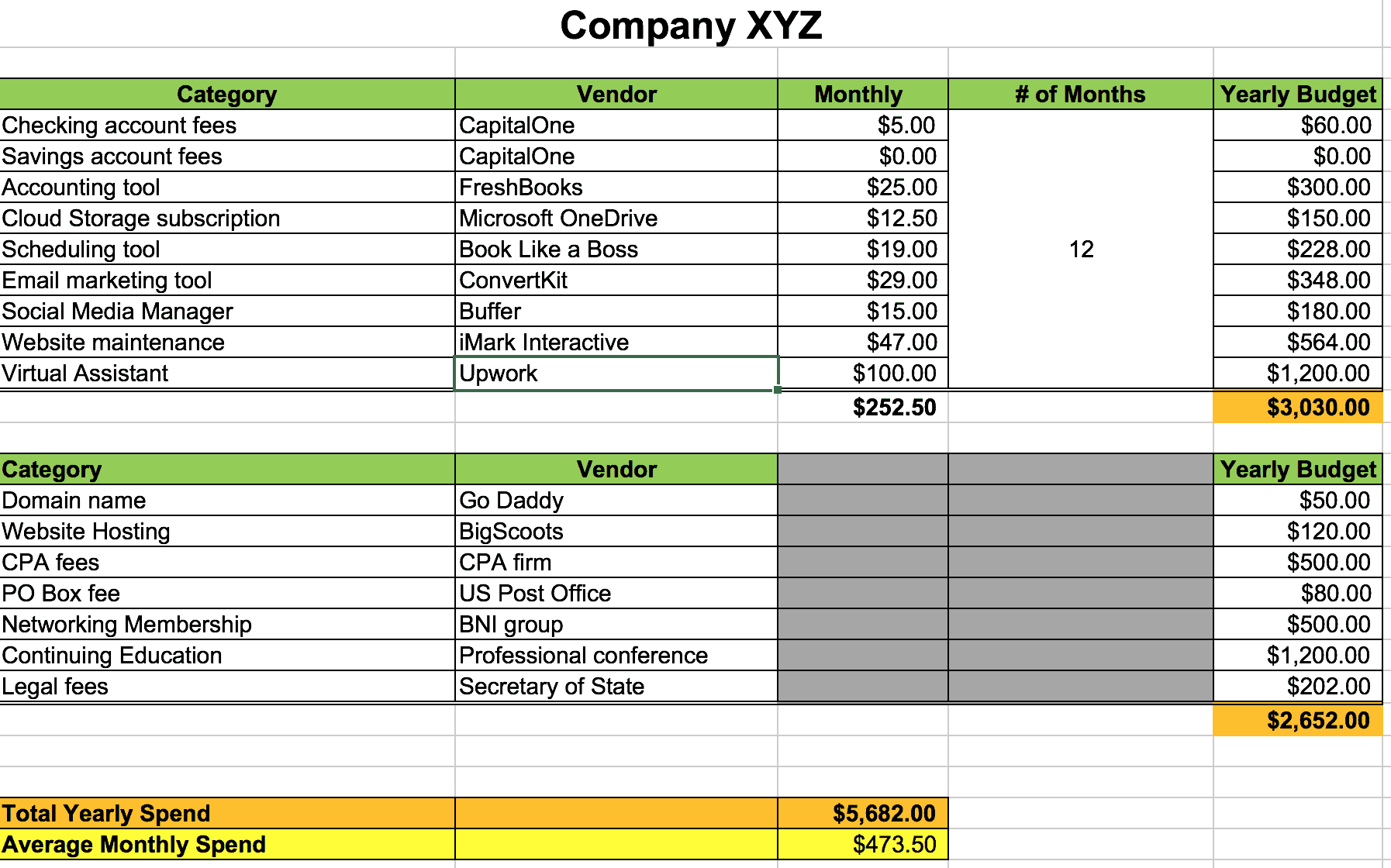
Fixed Costs: The Dependables
These are your stalwart expenses. They show up month after month, pretty much the same amount. Think rent, insurance premiums, software subscriptions, loan payments. These are predictable, reliable, and sometimes a little bit boring. But knowing them gives you a sense of stability.
"Fixed costs are like that one friend who's always on time. You know exactly what to expect."
List them out. Every single one. There’s no hiding from these guys. They are the backbone of your operational expenses, and understanding them is crucial for planning your budget. They are your non-negotiables, the things that keep the lights on.
Variable Costs: The Wildcards
Ah, the variable costs. These are the tricksters of your budget. They change month to month depending on your business activity. We're talking supplies, marketing campaigns, shipping costs, and yes, that extra fancy coffee when you're pulling an all-nighter. My unpopular opinion: sometimes that coffee is a vital business expense for sanity!
These can be a bit harder to pin down. You might spend more on advertising one month and less the next. Estimate averages based on your detective work from Step 1. Don't stress about being perfect; aim for a good estimate.
Categorize these too. Put all your marketing expenses together, all your office supplies, etc. This helps you see where you might be able to trim the fat later. Understanding the wildcards gives you power over them, turning chaos into order.
Step 5: Play Money Tetris – Make a Plan!
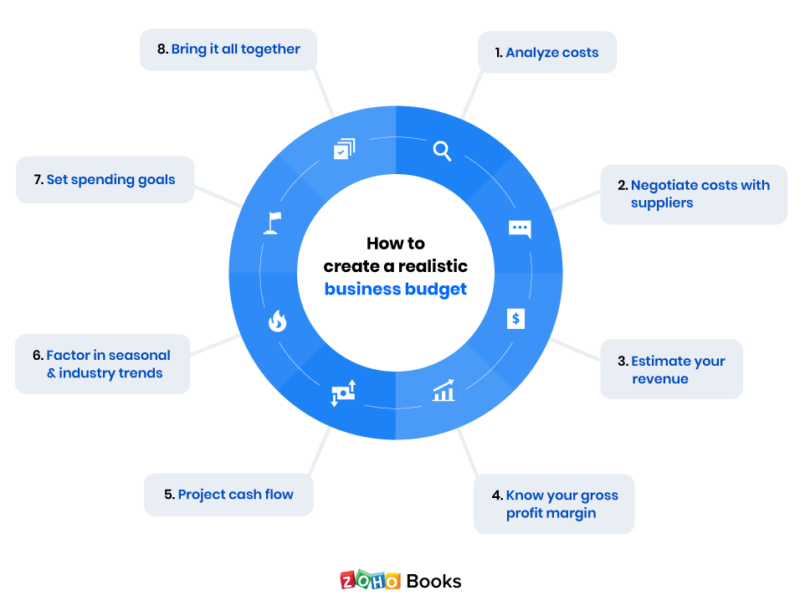
You've got your income, you've got your expenses. Now, it's time to play the ultimate game of money Tetris. Subtract your total expenses from your total income. What’s left? This is your profit (or, gasp, your deficit). This number is the heart of your budget.
If you have money left over, congratulations! Now, what do you want to do with it? Pay down debt? Invest in new equipment? Build up your emergency fund? Give every single dollar a job. Seriously, pretend each dollar has a tiny resume and needs an assignment.
If you have a deficit, don't panic! This is not failure; it's an opportunity. It means you need to adjust. Can you cut some variable expenses? Are there ways to boost income? This is where your budget becomes a problem-solver, not just a record-keeper.
"My unpopular opinion: Give yourself a 'fun money' line item. It keeps you sane and motivated!"
Allocate funds to your goals from Step 2. If you want to save for a new website, create a line item for "Website Savings." This makes your dreams concrete and your actions intentional. Your budget is now a roadmap to your future success.
Step 6: Choose Your Weapon – Tools of the Trade!
You don't need fancy software to budget, but it can certainly help. What works best for you? Are you a spreadsheet wizard, or do you prefer something more automated?
The classic choice is a good old spreadsheet (Excel, Google Sheets). You get total control, and there are tons of free templates out there. If you love tinkering and seeing all the numbers laid out, this is your jam.
For something a bit more automated and integrated, consider budgeting software like QuickBooks, FreshBooks, or Wave. These can often link directly to your bank accounts, making tracking a breeze. They do a lot of the heavy lifting for you.
And let's not forget the humble notebook and pen! For some, the act of physically writing things down helps with retention and commitment. There's something wonderfully satisfying about a hand-written budget. Pick the tool that you will actually use consistently.
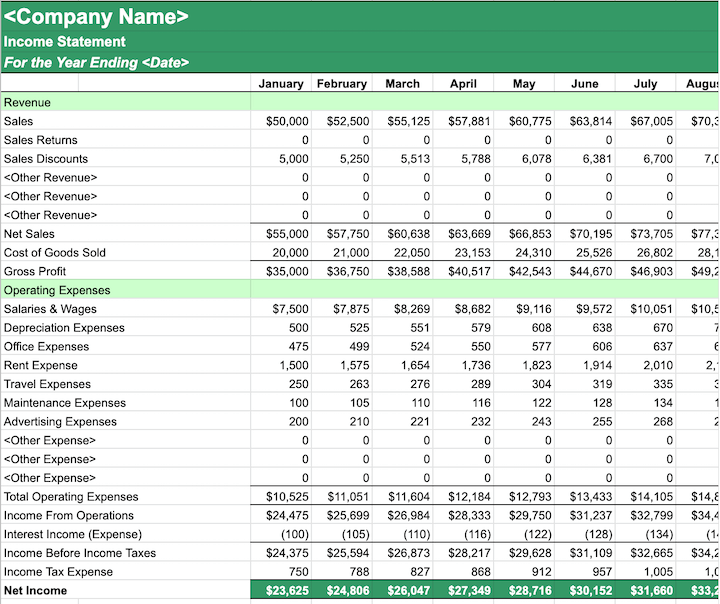
Step 7: The Grand Review – It's a Living Document!
Here's another one of my unpopular opinions: a budget is never truly "finished." It's a living, breathing document, constantly evolving with your business. Life happens, expenses pop up, income fluctuates. That’s okay!
Set a regular time to review your budget. Weekly? Monthly? Sit down with a cup of your favorite beverage and compare your actual spending to your budgeted spending. Are you on track? Did you overspend in one area? Did you save more than expected?
Don't beat yourself up if things aren't perfect. Nobody's budget is ever flawless. The goal isn't perfection; it's awareness and adjustment. See where you veered off course, understand why, and make changes for the next period. It's a continuous learning curve.
This regular review is where the magic truly happens. It allows you to be agile, responsive, and proactive. Your budget becomes your co-pilot, guiding your business through calm waters and stormy seas alike. Embrace the adjustments!
Step 8: High Five Yourself – Celebrate the Wins!
You've done it! You've navigated the often-intimidating world of small business budgeting. You've faced your numbers, made a plan, and stuck with it (mostly!). That deserves a high five, a pat on the back, or maybe even a celebratory dance.
Did you hit a savings goal? Did you find a sneaky expense you could cut? Did you simply stick to your budget for a whole month? Acknowledge these efforts. Budgeting is hard work, and every small win is a step towards greater financial control and peace of mind.
So, go ahead. Treat yourself (within your budget, of course!) to something nice. You've earned it. Remember, budgeting isn't about restriction; it's about empowerment. It's about taking charge of your financial destiny and turning those business dreams into reality. Now go forth and budget with joy!