How To Cool Down An Apartment
Ever walked into your apartment on a scorching summer day and felt like you'd stepped into a giant, sun-baked oven? You're not alone! It’s a common experience for many of us, especially as temperatures climb and heatwaves become more frequent. But what if I told you that turning your personal sauna into a breezy oasis isn't just a fantasy, but a surprisingly fun and practical skill to master? Learning how to naturally cool down your living space is a bit like becoming a home meteorologist, tuning into the subtle shifts in air and light, and it can be incredibly rewarding.
The purpose of diving into this topic isn't just about escaping the heat; it's about making your home a more comfortable and sustainable sanctuary. The benefits are manifold: imagine sleeping soundly through the night without tossing and turning, saving a significant chunk of change on your electricity bill by not relying solely on air conditioning, and even being kinder to the planet by reducing energy consumption. It’s about creating a more resilient home, too, especially during those unexpected power outages when you really need to keep things cool.
This isn't just theory; it’s knowledge you can apply every single day. In daily life, it means knowing exactly when to throw open a window or draw a blind to optimize your comfort. For families, it can be a fantastic, hands-on mini-science lesson. Kids can learn about heat transfer, convection, and the power of simple physics by observing how different actions affect the room temperature. It teaches resourcefulness and a deeper understanding of how our homes interact with the environment around them. It's about being an active participant in your home's climate control, rather than just passively experiencing it.
Must Read
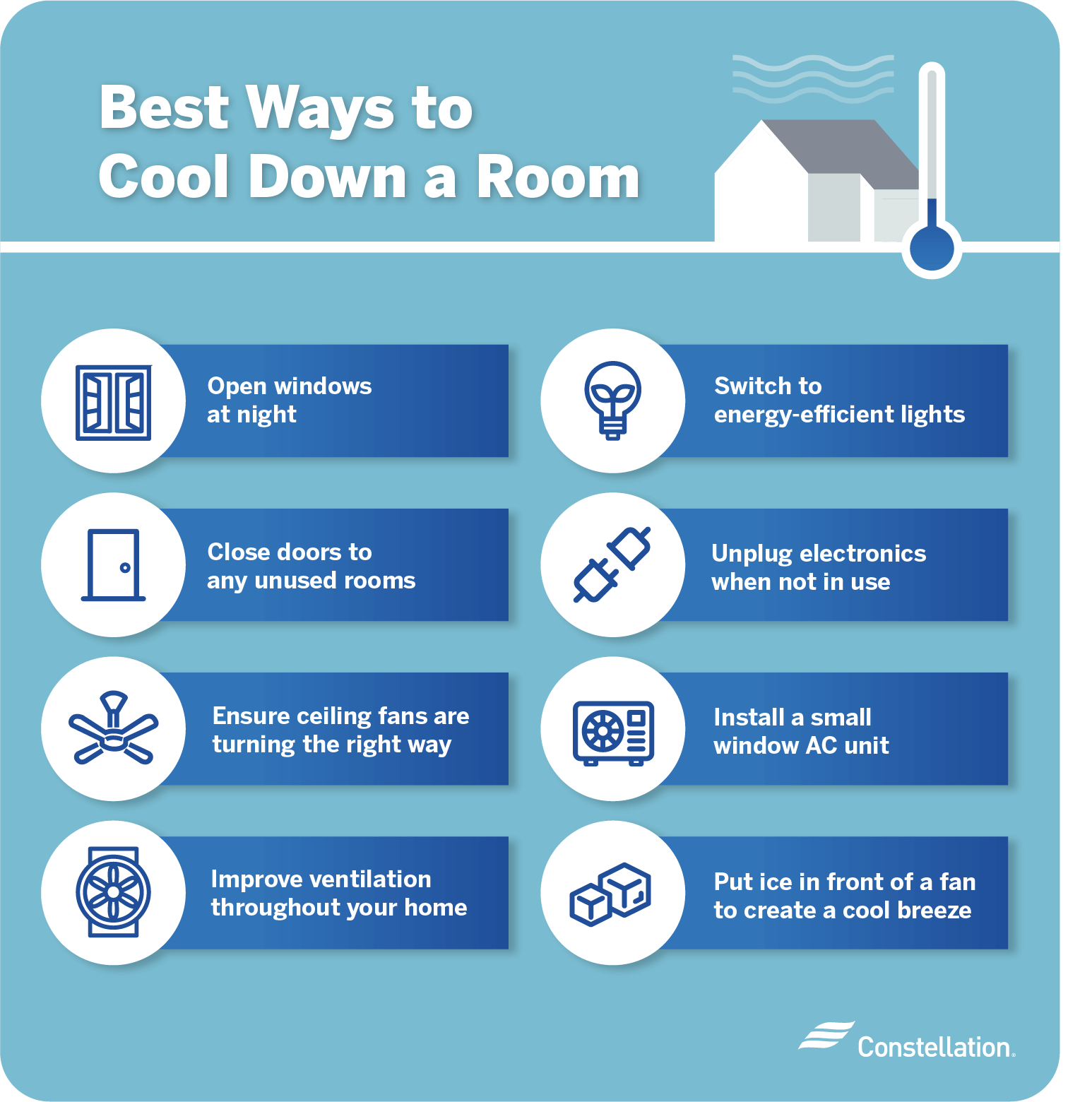
So, how can you start exploring this cool new skill? Let's look at some simple, practical tips. First, think about your windows. Are they letting in too much sun? Investing in blackout curtains or blinds can make a dramatic difference by blocking out sunlight, which is essentially direct heat radiation. Try keeping them closed during the hottest parts of the day. Another trick is to embrace the cross-breeze. Open windows on opposite sides of your apartment, ideally one on the shady side and one where the breeze is coming from, to create a natural wind tunnel that flushes out hot air.
Fans aren't just for pushing air around; they can be used strategically. Place a bowl of ice water in front of a fan for a DIY swamp cooler effect, or use an exhaust fan in your bathroom or kitchen to pull hot air out. Consider a "night flush": once the outdoor temperature drops below your indoor temperature in the evening, open up all your windows to let the cool night air flow through and cool down your walls and furniture, then close them up tight again before the sun gets too strong the next morning. Finally, be mindful of internal heat sources – incandescent bulbs, ovens, and even charging laptops generate heat. Opt for LED lighting, cook outside on a grill if possible, or use a microwave instead of the oven. Even adding some indoor plants can help, as they release moisture into the air through transpiration, creating a slightly cooler microclimate. Experiment with these simple changes and feel the delightful difference!