How To Connect A Portable Generator To House
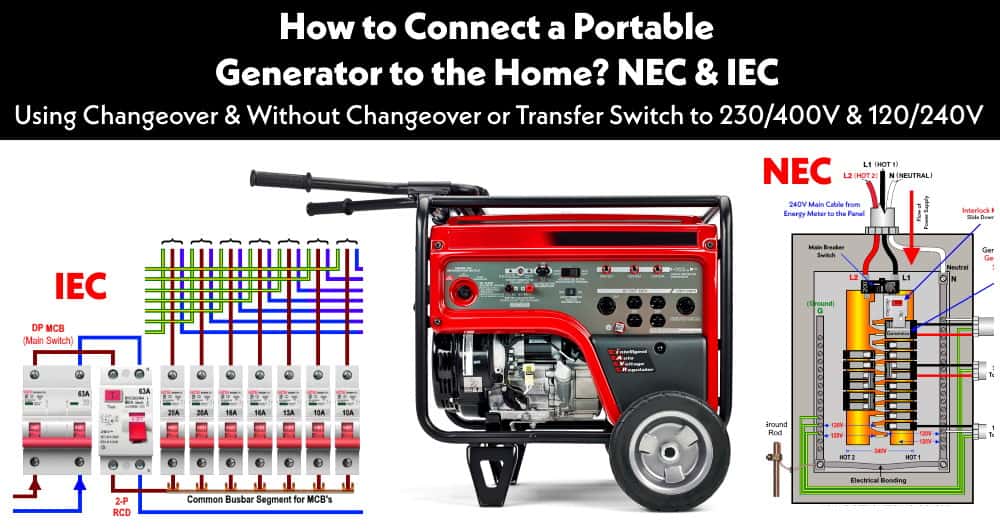
Okay, so the power’s out again. Sounds like the perfect setup for a spooky movie night, right? Except, you can't even toast a Pop-Tart, let alone stream Netflix. Enter your trusty portable generator, the unsung hero waiting in the garage, ready to rumble. Connecting it to your house doesn’t have to be a tech-support-call level of stress. Let’s make it… almost fun!
First Things First: The Extension Cord Tango
Imagine your generator as a really loud, fume-spewing pet that wants to feed your appliances. You wouldn't bring it inside to do that, would you? Of course not! Generators need fresh air to breathe, or they'll start feeling… faint. So, place it at least 20 feet away from your house, preferably downwind, so you aren’t breathing its… charm.
Now, the extension cords. Not those flimsy little things you use to charge your phone. We’re talking heavy-duty extension cords, the kind that look like they could tow a small car. Make sure they’re rated for outdoor use; rain and electricity aren’t the best of pals. Think of them as your generator's leash – a strong, reliable leash.
Must Read
The Inlet: Where the Magic Happens (Sort Of)
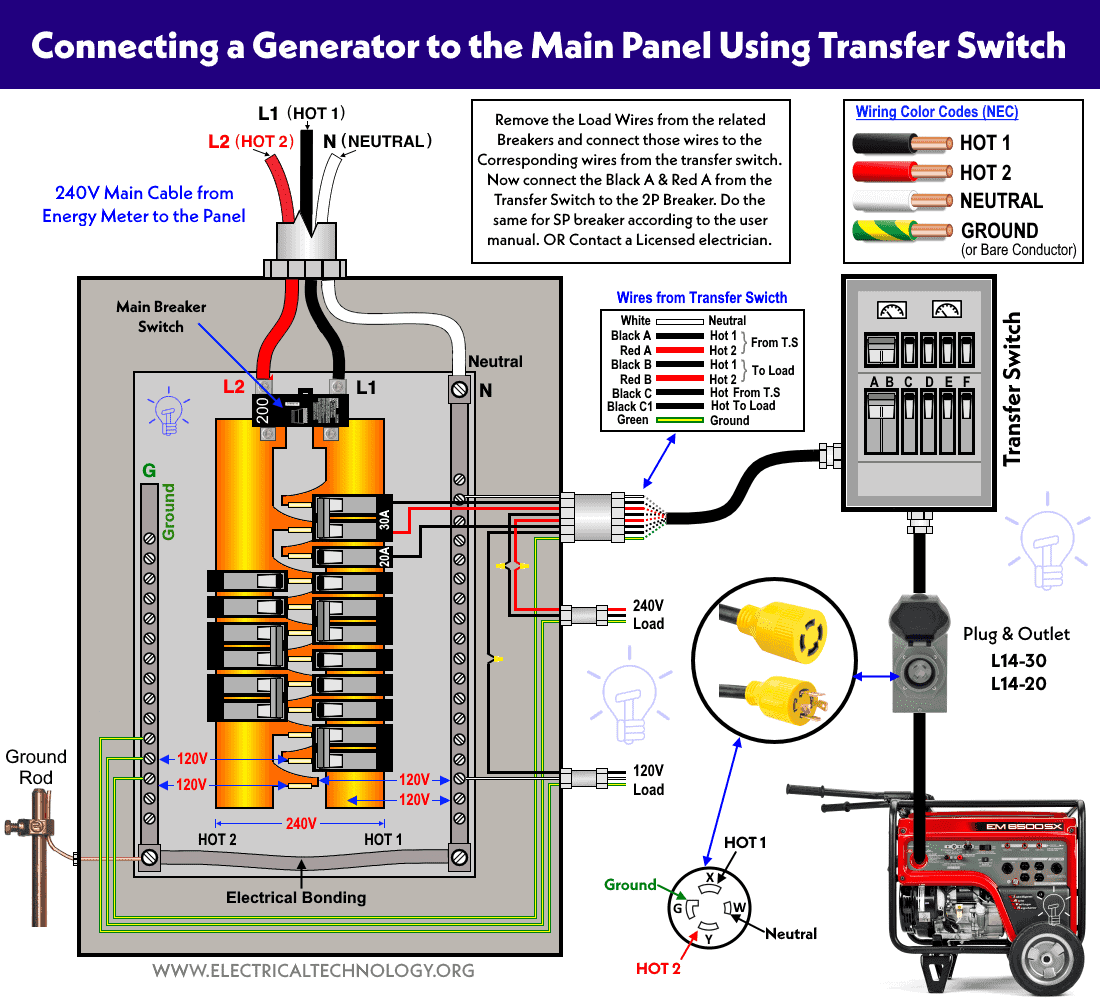
This is where things get a little… install-y. You'll need a transfer switch. Picture it as a bouncer for electricity; it makes sure power only comes from ONE source at a time: either the grid or your generator. This is crucial! You absolutely do not want to backfeed power into the power lines. That’s like throwing a rave on the electrical grid, and nobody wants that kind of chaos (except maybe squirrels). Plus, it’s super dangerous for the utility workers trying to fix the outage.
The transfer switch is wired into your home's electrical panel. Don't attempt this if you're not comfortable with electricity. Call a licensed electrician; they're like electrical superheroes, except they wear tool belts instead of capes.
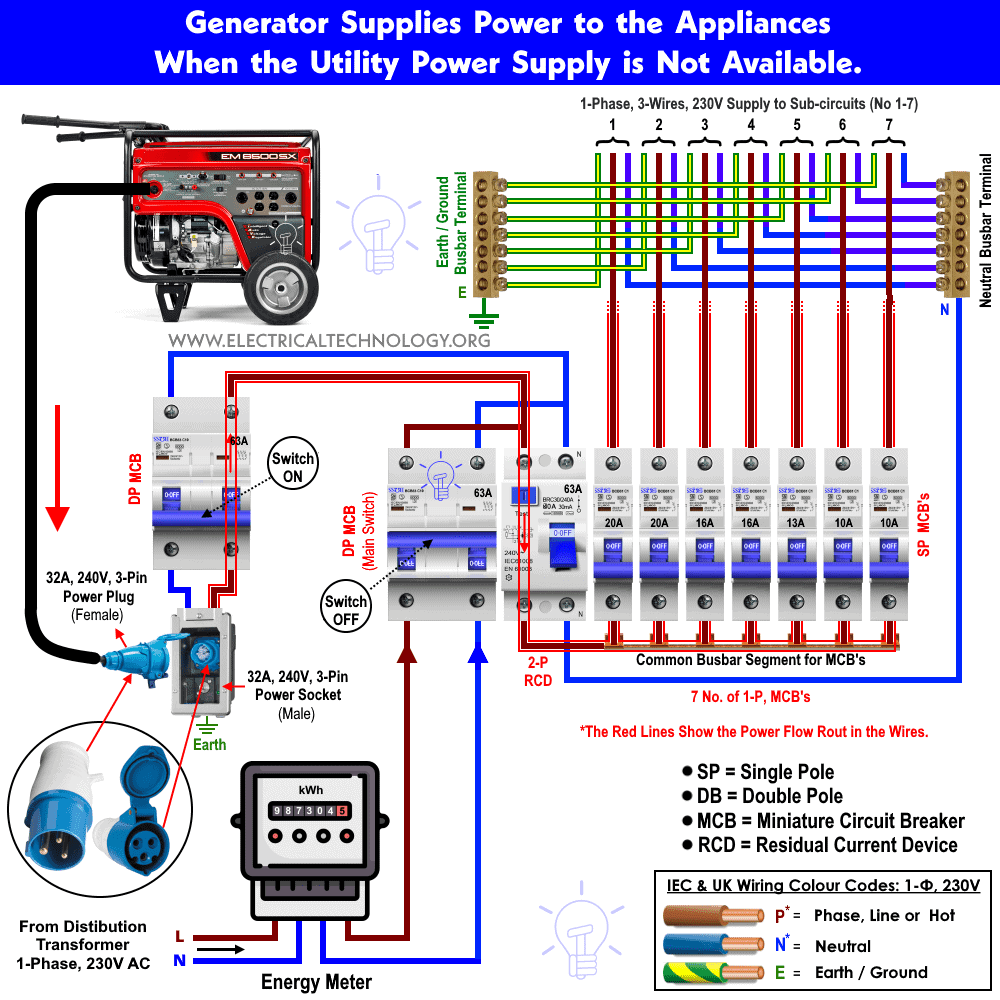
Once the transfer switch is installed, you'll have a power inlet box outside your house. This is where you plug in the generator. Connect one end of your heavy-duty extension cord to the generator and the other to the inlet box. Now you're almost ready to party (with limited power, of course).
Flipping the Switch: Choose Wisely, My Friend
Now, at the transfer switch, you get to choose which circuits get power. Think of it like curating a VIP list for your generator. You might want the fridge, the lights in the living room, and maybe the Wi-Fi router (because surviving without cat videos is just barbaric). But leave the air conditioner, the electric oven, and the hot tub off the list. Your generator isn’t a Kardashian; it can't handle everything.

Flipping the right switches on the transfer switch will bring those circuits to life. It's like performing a technological resurrection, except instead of bringing someone back from the dead, you’re bringing your TV back to life so you can watch reruns of The Office. Equally important, really.
A Few Words of Caution (Because Lawyers)
Seriously, read your generator's manual. It’s probably dryer than a week-old donut, but it contains vital information about your specific model. And, for the love of all that is holy, never run a generator indoors. Carbon monoxide is a silent killer, and we want you around to enjoy that post-power-outage hot shower.

The Takeaway: Power With (Slightly Organized) Fervor
Connecting a portable generator isn't rocket science, but it does require a bit of planning and a healthy dose of respect for electricity. With a little preparation, you can turn a power outage from a frustrating inconvenience into a slightly-less-frustrating-but-still-annoying inconvenience with working lights and a cold drink. And who knows, maybe you'll even feel a little bit like MacGyver. Just try not to start any fires.
And finally, remember to regularly test your generator. It’s like stretching before a marathon; you want to make sure everything is in good working order before you need it. Happy powering!