
How To Connect A Generator To An Electrical Panel
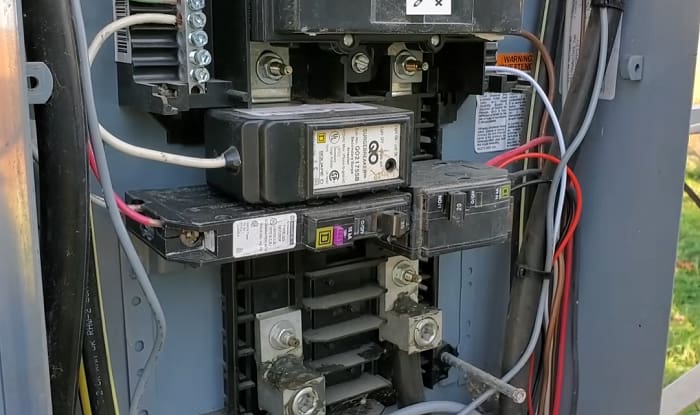
Okay, so you wanna play electrician? Brave move! Let's talk generators. Specifically, hooking one up to your electrical panel. Sounds scary, right? It can be. But knowledge is power! (Pun intended.)
Why Even Bother?
Think about it. Power outage. Total darkness. The horror! A generator keeps the lights on. Fridge running. Coffee brewing. Sanity preserved! Direct connection to your panel? It's way cleaner than running a million extension cords. Plus, fewer tripping hazards. And who needs more of those?
Safety First! Seriously!
This isn't a game. Electricity is no joke. We're talking about potentially frying your appliances. Or worse, you. If you feel even a little bit unsure, call a qualified electrician. They're the superheroes of home power. No shame in admitting defeat. Your eyebrows will thank you.
Must Read
Here's a quirky fact: Electricians are surprisingly good at telling dad jokes. Something about current events, I guess.
The Transfer Switch: Your New Best Friend
Imagine your electrical panel as a tiny city. Your normal power line is the main highway. The generator? That's a detour route. A transfer switch is the traffic controller. It prevents power from the generator flowing back into the grid. Why's that important? Because you don't want to accidentally electrocute line workers trying to fix the outage. It's called "backfeeding," and it's a big no-no. Think of it as electrical rudeness.
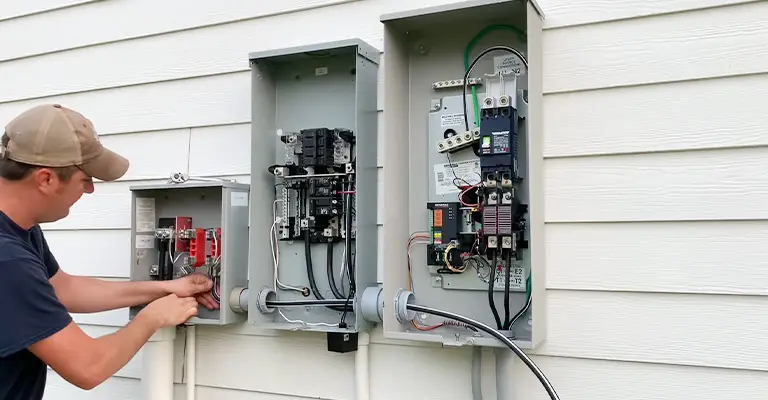
There are two main types: Manual and Automatic. Manual means you flip the switch. Automatic? It does it for you. Fancy! But also pricier.
Gather Your Gear
Time for a shopping spree! You'll need:
- A generator (duh!). Sized appropriately for your needs. Don't try to power your entire neighborhood.
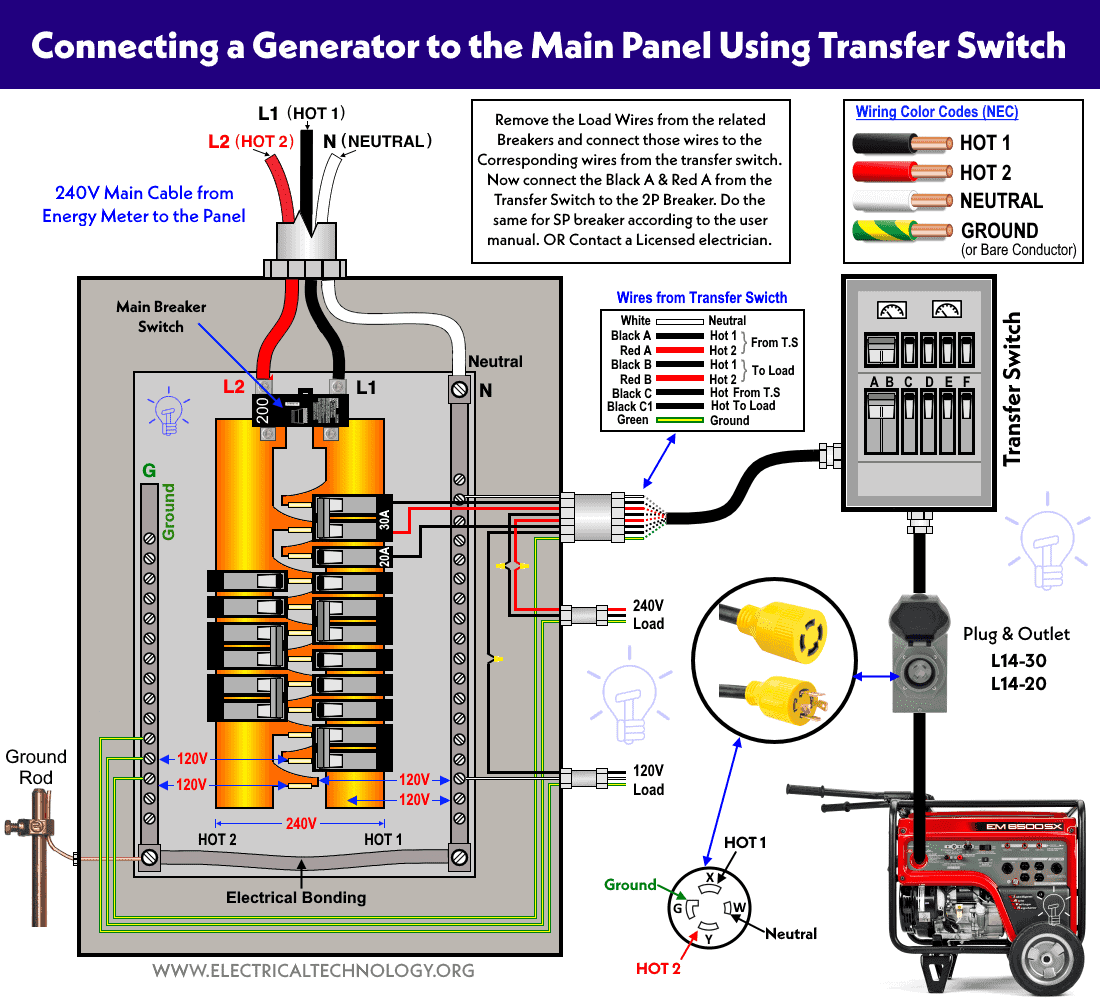
- A transfer switch. Matched to your panel and generator. Seriously, get the right one.
- Wiring. Heavy-duty stuff. Don't cheap out.
- Conduit. Protect those wires!
- Tools. Screwdrivers, wire strippers, multimeter. The usual suspects.
- Safety gear. Gloves, safety glasses. Look the part!
Pro-tip: wear rubber-soled shoes. Because, you know, electricity. And looking stylish.
The Installation Tango
Okay, deep breaths. This is where it gets technical. (But we'll keep it light!)
- Turn off the main breaker. This is HUGE. Double-check. Triple-check. Then check again. Zero power. Got it?
- Install the transfer switch. Usually next to your main panel. Follow the manufacturer's instructions exactly. No shortcuts!
- Wire the transfer switch to the panel. This involves connecting specific circuits. Again, follow the instructions. And maybe watch a YouTube video. Or two.
- Connect the generator to the transfer switch. Usually via a heavy-duty cable. Make sure it's properly grounded.
- Test everything. Once you're confident, fire up the generator. Flip the transfer switch. Do the lights turn on? Victory!
Funny story: My uncle tried this once. He forgot to turn off the main breaker. The resulting fireworks show was... memorable. Don't be like my uncle.

Understanding Circuits: A Lightning-Fast Lesson
Circuits are like little pathways for electricity. Each one powers specific things in your house. When choosing circuits to connect to the generator, think about essentials. Fridge? Yes. TV in every room? Maybe not. Prioritize! Think survival, not luxury.
Did you know that some animals can sense electrical fields? Sharks are famous for it. Your generator won't attract sharks (probably), but it's still a cool fact!

Grounding: Keeping It Down to Earth
Grounding is crucial for safety. It provides a path for stray electricity to escape to the earth. No ground? Electricity can find a different path... like you. Make sure your generator and transfer switch are properly grounded. This usually involves a grounding rod driven into the earth. Follow local codes!
Maintenance Matters
Your generator isn't a magical power box. It needs love! Regular oil changes, spark plug checks, air filter cleanings. Treat it well, and it will treat you well during the next blackout. Think of it as a high-maintenance pet. Except it runs on gasoline (or propane). And doesn't shed.
The Final Word (of Caution)
Connecting a generator to your electrical panel is a serious undertaking. It's not a DIY project for the faint of heart. If you're not 100% confident, hire a professional. Your safety (and the safety of others) is worth it. Now go forth, and may your house always have power! And remember, electricity respects knowledge and caution. Treat it with respect, and it will treat you the same.