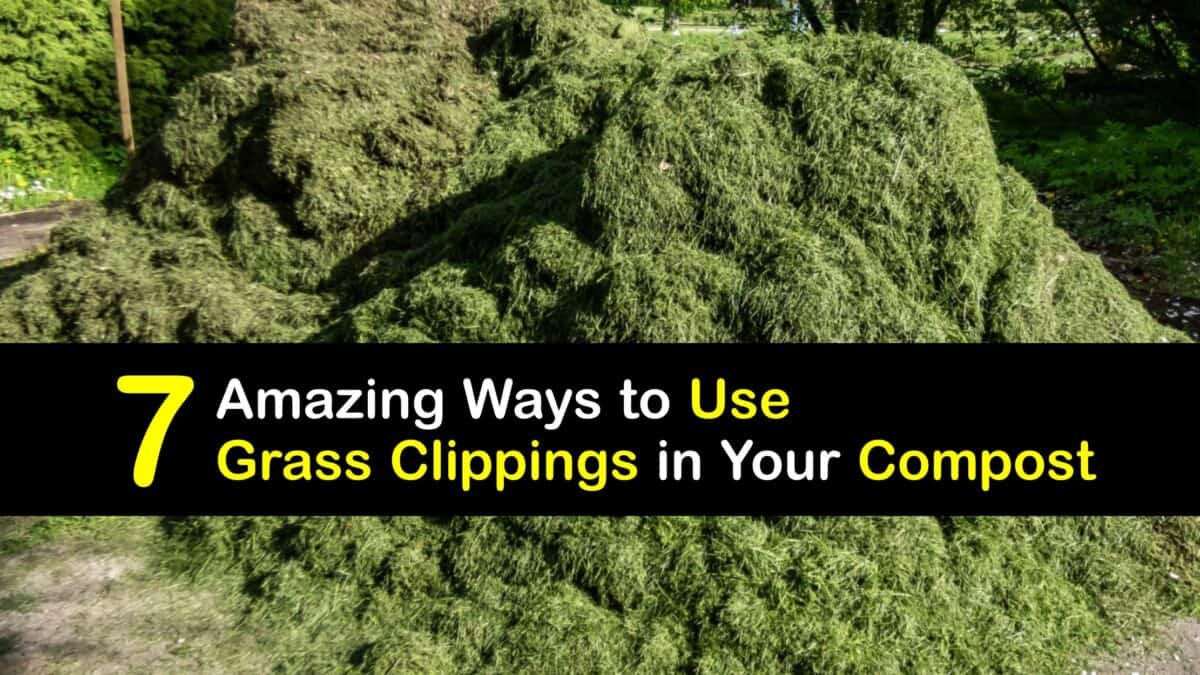
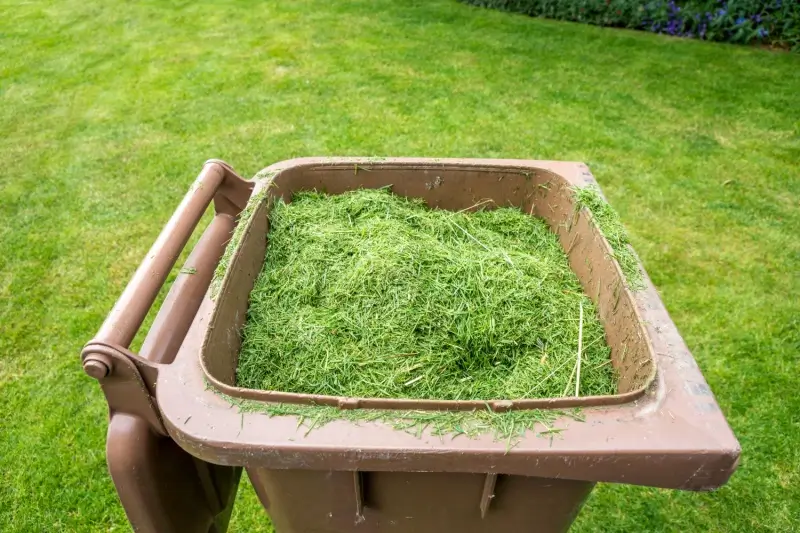
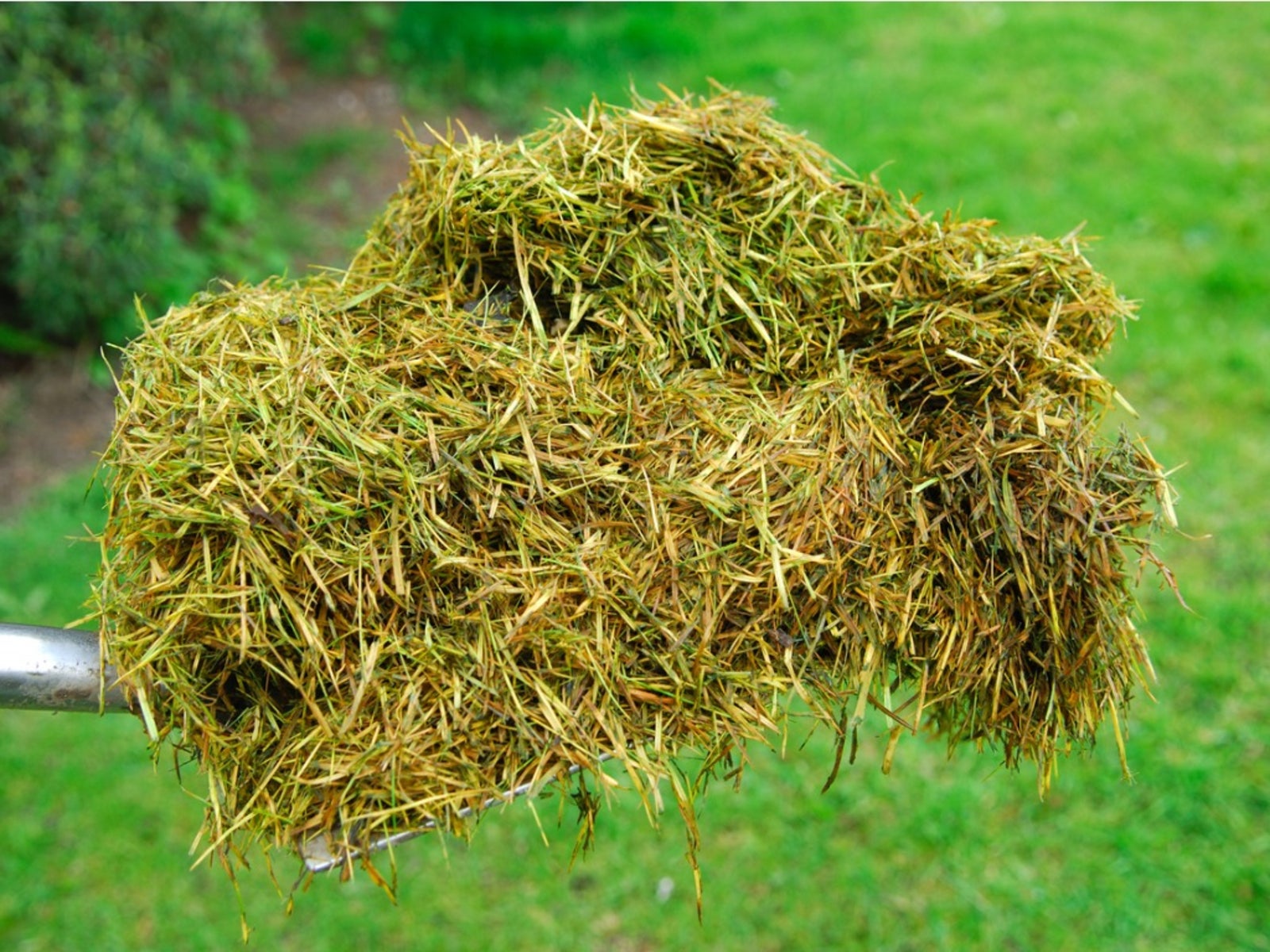
How To Compost Large Amounts Of Grass Clippings
Ah, the smell of freshly cut grass! For many of us, it's the quintessential aroma of summer, signaling sunshine, barbecues, and lazy afternoons spent outdoors. But what happens after that satisfying mow? All those grass clippings can feel like a burden, piling up in bags and heading straight for the landfill. But fear not, fellow lawn enthusiasts! There's a better way: composting. It's like turning lawn care from a chore into an act of environmental stewardship, all while boosting the health of your garden.
Composting your grass clippings isn't just about being green; it's about creating a valuable resource for your garden. Think of it as nature's way of recycling. By breaking down organic matter like grass, leaves, and kitchen scraps, you're creating a nutrient-rich soil amendment called compost. This "black gold," as some gardeners call it, can be used to improve soil structure, retain moisture, and provide essential nutrients to your plants. Forget expensive fertilizers – compost is the ultimate freebie for a thriving garden!
You've probably seen composting in action, even if you didn't realize it. Perhaps your neighbor has a tumbling composter in their backyard, or maybe your local community garden has designated composting bins. On a larger scale, municipalities often compost yard waste collected from residents. It’s used on community gardens, parks, and other public areas. The key is to manage the ingredients correctly to ensure a successful process that yields beautiful, dark compost.
Must Read
Now, let's get down to brass tacks. Composting large amounts of grass clippings requires a bit of know-how, especially to prevent that dreaded slimy, smelly mess. Here are some practical tips to enjoy the process more effectively:
- Mix it up! Grass clippings are high in nitrogen (a "green" material). They need to be balanced with "brown" materials like dried leaves, shredded paper, or wood chips. A good ratio is roughly two parts brown to one part green. This ensures proper aeration and prevents the pile from becoming anaerobic (oxygen-deprived), which is what leads to unpleasant odors.
- Aerate, aerate, aerate! Grass clippings compact easily, which limits airflow. Regularly turn your compost pile with a pitchfork or shovel to introduce oxygen. This encourages the beneficial microbes to thrive and break down the organic matter. Some people use specialized composting tools to make this process easier.
- Control Moisture. The compost pile needs to be damp, like a wrung-out sponge. Too dry, and the decomposition process slows down. Too wet, and it becomes a soggy mess. Add water as needed, especially during dry periods. Consider covering the pile to prevent excessive rain from saturating it.
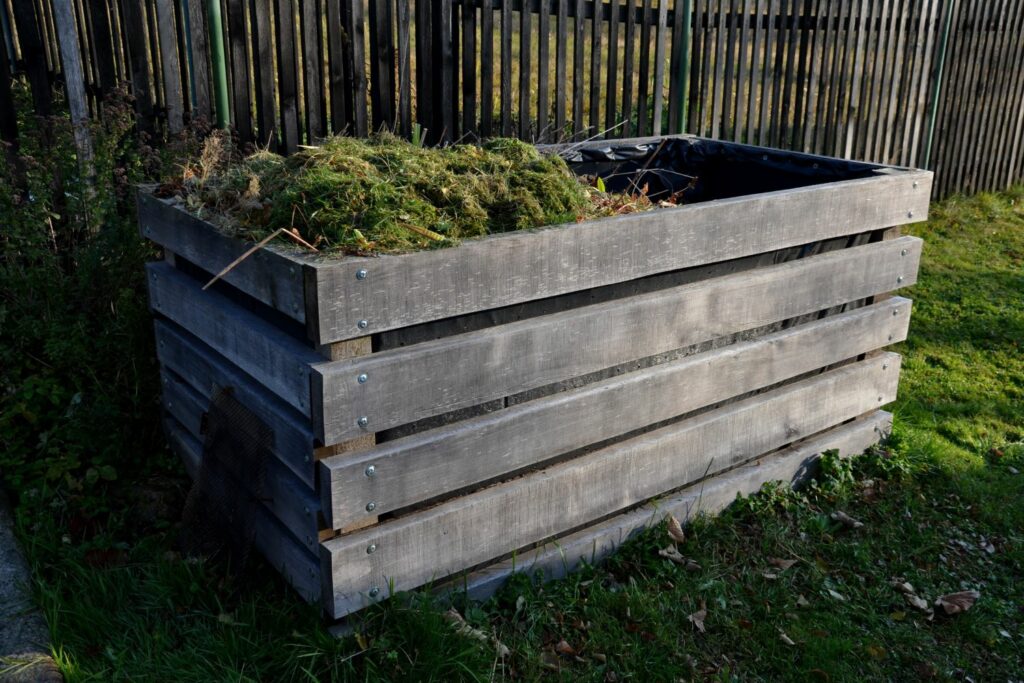
- Consider a Compost Bin or System. A dedicated compost bin or system can help contain the pile and regulate temperature and moisture. There are countless options available, from simple homemade bins to more elaborate rotating composters. Choose one that suits your space and needs.
- Be Patient. Composting takes time. Depending on the conditions and your methods, it can take anywhere from a few months to a year to produce usable compost. Don't be discouraged if it doesn't happen overnight. The end result is well worth the wait.
With a little effort and these simple tips, you can transform your grass clippings from a waste product into a valuable resource for your garden. So, embrace the composting journey, and get ready to reap the rewards of healthy soil, thriving plants, and a more sustainable lifestyle. Happy composting!