
How To Close Pool Above Ground
As the golden days of summer begin to wane, many of us look at our beloved above-ground pools not with dread, but with a unique sense of purpose. While not typically framed as a canvas or a sculpture, the act of closing your above-ground pool for the season is, in its own quiet way, a true act of preparation and preservation. It’s an opportunity to engage in a ritual that ensures future joy, transforming a seasonal chore into a rewarding project that speaks to our innate desire for order and readiness. Think of it as crafting a cozy, protective cocoon for your backyard oasis, guaranteeing its vibrant return next spring.
So, who benefits from mastering this skill? Everyone! For the home artist, it's about creating a seamless transition from one season to the next, a testament to thoughtful stewardship. For the avid hobbyist of home maintenance, it's another notch on the belt, a chance to refine your practical prowess and save on professional services. And for the casual learner, it’s an empowering step into self-sufficiency, turning what might seem daunting into a manageable, even enjoyable, task. You’re not just draining water; you’re investing in your pool's longevity and your family's future fun.
Just as there are countless artistic styles, there are different 'approaches' to pool closing. Some prefer the minimalist method, focusing on essential steps with efficiency. Others embrace the maximalist, ensuring every seal is perfect, every chemical balanced, and every cover taut. Whether you have a compact Intex setup or a larger steel-frame marvel, the principles remain the same: proper cleaning, water balance, winterizing chemicals, and a secure cover. Each pool closure becomes a unique 'project,' reflecting the owner's commitment to their backyard haven, much like an artist’s signature on their work.
Must Read
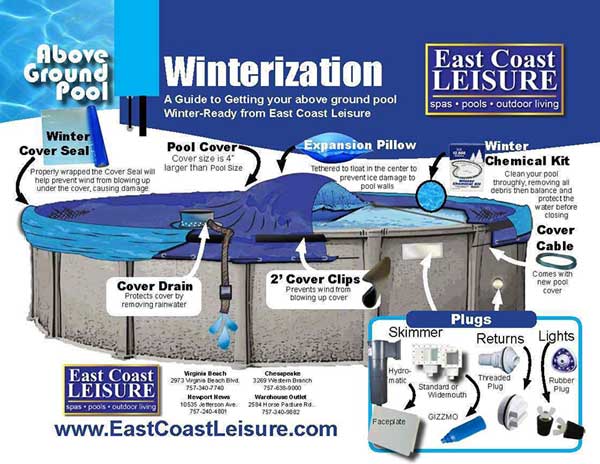
Ready to embrace your inner pool-closing guru? Start by cleaning thoroughly – leaves, debris, and scum are the enemies of a successful winter. Next, balance your water chemistry; this is crucial for preventing algae and corrosion. Then, add your winterizing chemicals (algaecide, stain preventative) according to package directions. Lower the water level below the skimmer and return jets, and finally, protect your plumbing by removing and storing essential components or using winterizing plugs. A good winter cover, secured tightly to withstand wind and snow, is your pool's ultimate shield. Don't rush; take it step by step, and consult your pool's manual or online guides for specifics. Remember, patience and attention to detail are your best tools for this seasonal masterpiece.
The true joy in closing your above-ground pool isn't just in the finished task, but in the peace of mind it brings. It's the satisfaction of knowing you’ve proactively protected your investment, the quiet pride in a job well done, and the comforting thought of a hassle-free spring opening. It's a seasonal rhythm, a gentle reminder that endings lead to new beginnings, and that even the most practical tasks can be imbued with a sense of purpose and a touch of personal triumph. So go ahead, embrace the winterization; your future self, splashing happily next summer, will undoubtedly thank you for your foresight and effort!


