How To Choose The Right Central Air Conditioner
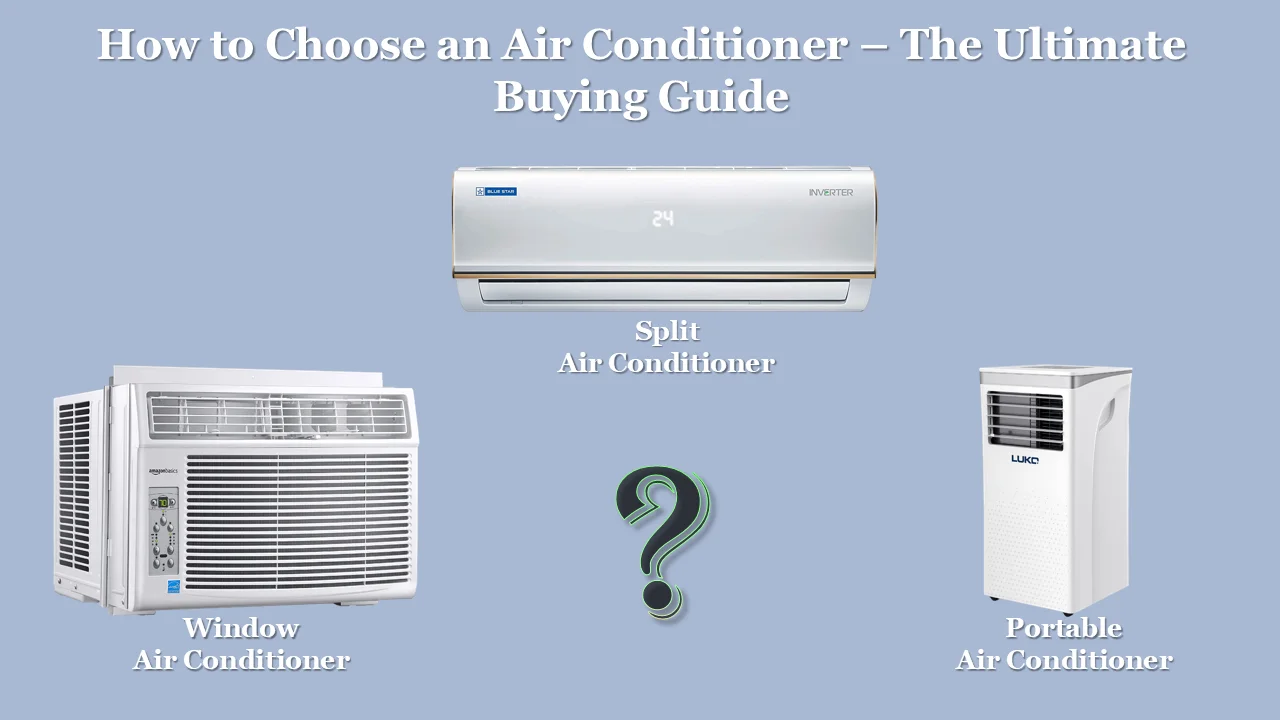
Alright, settle in, grab your iced latte (or maybe something stronger, no judgment), because we're about to tackle a topic that's simultaneously thrilling and utterly terrifying: choosing a new central air conditioner. Thrilling because, hello, blissful coolness! Terrifying because, well, it's a major purchase and nobody wants to end up with a unit that’s about as effective as a damp napkin on a hot summer day.
Think of me as your friendly neighborhood A/C guru, here to guide you through the jungle of BTUs, SEER ratings, and cryptic technical jargon. Don't worry, by the end of this, you'll be able to talk about air conditioners with the confidence of a seasoned HVAC professional. (Or at least fake it really, really well.)
Size Matters (But Not in the Way You Think)
Okay, let's get this out of the way first. When it comes to A/C, bigger isn’t always better. I know, I know, counterintuitive, right? You’re picturing a monstrous unit blasting arctic air into your living room, instantly transforming it into a walk-in freezer. But hold your horses! An oversized unit will cool your house too quickly. Sounds great, until you realize it won't properly dehumidify the air. Result? A damp, chilly, and frankly, weirdly uncomfortable space. It's like being hugged by a snowman who's going through an existential crisis.
Must Read
So how do you avoid this frosty fiasco? You need to determine the right BTU (British Thermal Unit) rating for your home. BTU essentially measures the cooling capacity of the unit. A good rule of thumb is to calculate roughly 20 BTU per square foot of living space. But wait! There's more! Factors like ceiling height, insulation quality, the number of windows, and even the direction your house faces can impact this. Think of it like baking a cake - you can't just throw in ingredients willy-nilly and expect a masterpiece, you gotta measure!
The best approach? Get a professional HVAC technician to perform a Manual J load calculation. Yes, it sounds like some kind of complicated engineering test, and well, it kind of is. But it ensures you get the perfectly sized A/C unit for your specific home. Trust me, it’s worth it to avoid that damp snowman hug.
SEERiously? What’s a SEER Rating?
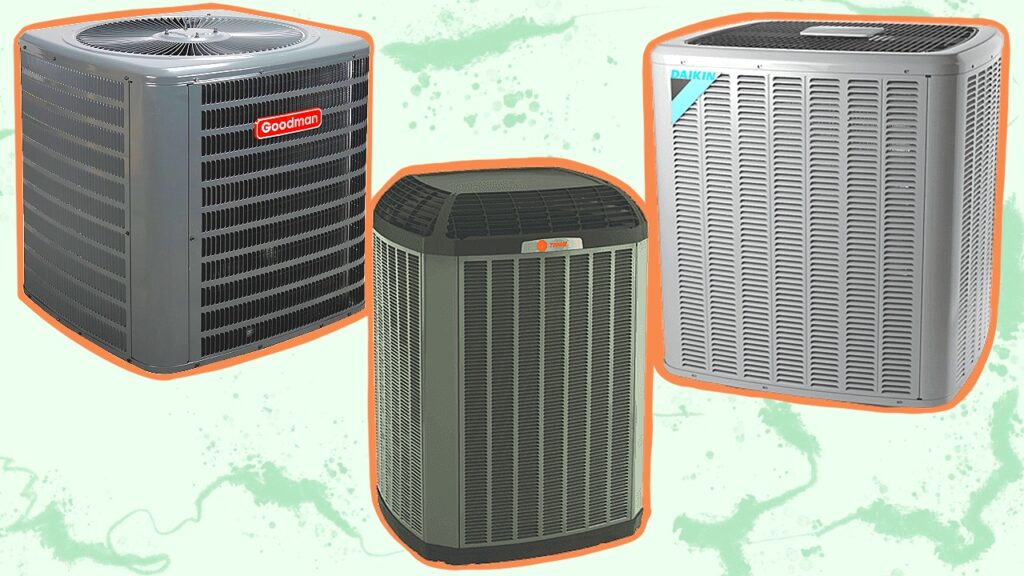
Alright, now let's talk about SEER (Seasonal Energy Efficiency Ratio). This is basically the air conditioner's fuel efficiency rating, like MPG for your car. The higher the SEER rating, the more efficient the unit, and the less you'll be throwing money at the electric company. Think of it as the difference between driving a gas-guzzling monster truck and a Prius. Both will get you there, but one will leave your wallet weeping.
New A/C units must have a minimum SEER rating (it changes depending on your region), but you can find units with much higher ratings. While a higher SEER usually means a higher upfront cost, it can pay off handsomely in the long run with lower energy bills. Do the math!
Seriously, calculate your potential savings. It might just convince you to splurge on that fancy, ultra-efficient model. Think of it as an investment in your future… a future filled with perfectly chilled lemonade and dramatically lower utility bills.
Consider the Extras (and Avoid Shiny Distractions)
Okay, you've got the size and the SEER rating down. But don't go running off to Home Depot just yet! There are a few more things to consider.
- Variable-speed blowers: These can adjust the airflow based on your cooling needs, resulting in more consistent temperatures and improved energy efficiency. They're like the cruise control of your A/C system.
- Smart thermostats: These allow you to control your A/C remotely, set schedules, and even learn your preferences. You can pre-cool your house before you get home from work and pretend you're living in the future.
- Air filtration: Some units offer advanced air filtration systems that can remove allergens, dust, and other pollutants from your home. Great for allergy sufferers or anyone who just wants to breathe cleaner air.
And finally, don't get swayed by all the bells and whistles. Some A/C units come with features that sound impressive but don't really make a difference in performance or efficiency. Do your research, read reviews, and focus on the features that are actually important to you. Don't fall for the "talking air conditioner" – unless, of course, you’re really lonely.

Get Professional Help (Seriously)
Look, I've given you a crash course in A/C selection, but this stuff can get complicated fast. The best thing you can do is consult with a qualified HVAC technician. They can assess your specific needs, recommend the right equipment, and ensure it's installed properly. Think of them as the doctors of the HVAC world. You wouldn't perform surgery on yourself, would you? (Please say no.)
Choosing the right central air conditioner is an important decision, but it doesn't have to be a stressful one. With a little knowledge and a good sense of humor, you can find the perfect unit to keep your home cool and comfortable for years to come. Now go forth, conquer the A/C aisle, and enjoy the sweet, sweet relief of perfectly chilled air! And remember, don't hug any snowmen unless you absolutely have to!
Bonus Tip: Offer your HVAC technician cookies. They'll appreciate it, and you might just get a slightly better deal. (Don't quote me on that.)