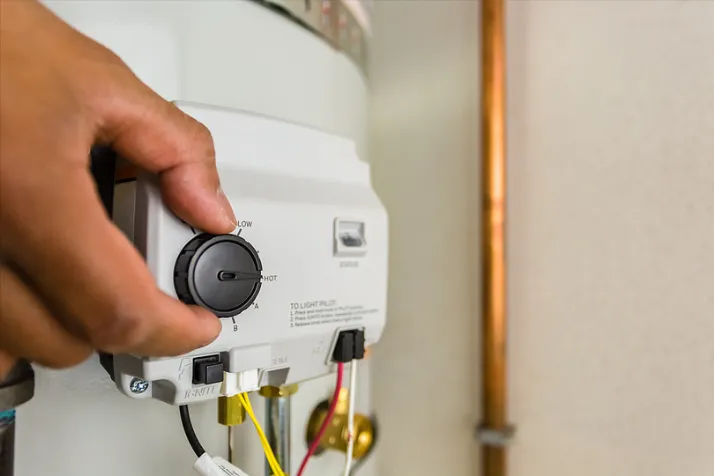
How To Check The Thermostat On A Water Heater

Hey there, fellow home explorers! Ever wondered how that magical device in your basement (or utility closet) keeps your shower water perfectly toasty? I'm talking about your water heater, of course! And nestled inside, like the brains of the operation, is the thermostat. It's kind of like the conductor of a hot water orchestra, making sure everything's in tune.
Today, we’re going on a little adventure to understand and, yes, even check that thermostat. No need to be intimidated! It's easier than you might think, and knowing how to do this can save you money and headaches down the road. Think of it like learning to check the oil in your car – a handy skill that makes you feel like a total boss.
Why Bother Checking Your Water Heater Thermostat?
Good question! Why poke around something that seems to be working? Well, think of your thermostat like the volume knob on your favorite stereo. If it's not set right, you might be blasting too much energy (high water bills!) or not getting enough heat (brrr!).
Must Read
A faulty thermostat can lead to several problems:
- Water that's too hot: Scalding water is never fun, and it's a sign something is amiss.
- Water that's lukewarm or cold: Nobody wants an icy shower, right?
- Erratic temperature fluctuations: Hot, then cold, then hot again? Definitely a thermostat issue.
- Increased energy bills: If the thermostat is constantly working overtime, your wallet will feel the pain.
Basically, checking your thermostat is like giving your water heater a wellness check. It helps you catch problems early and keep things running smoothly.
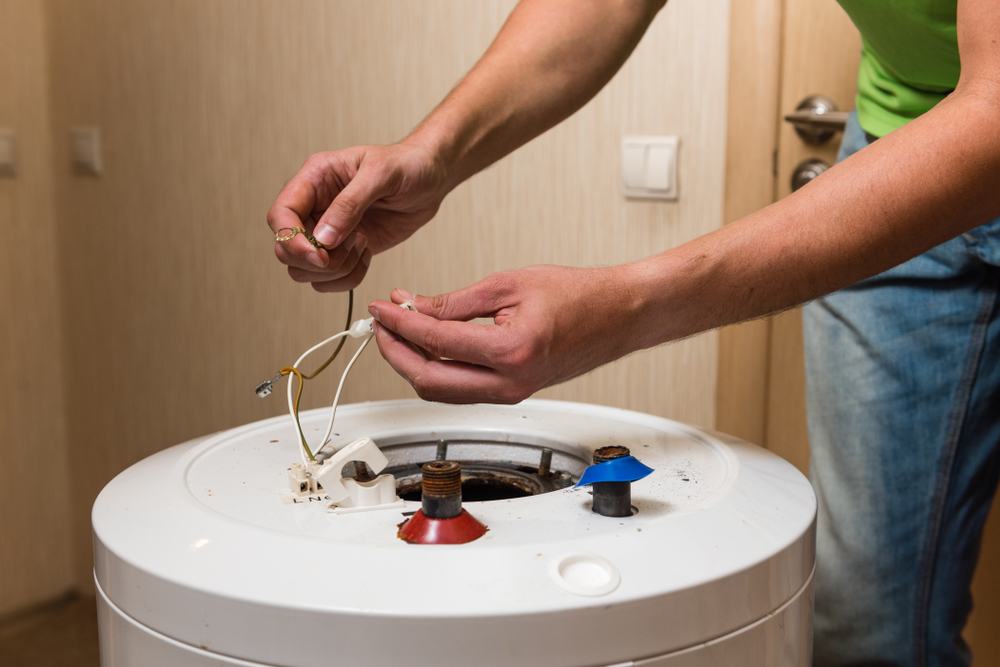
Okay, I’m In! How Do I Check It?
Alright, let’s get down to brass tacks. Before we start, safety first! We're dealing with electricity and water, so it's crucial to be careful.
- Turn off the power: Locate the circuit breaker that controls your water heater and flip it to the "off" position. This is non-negotiable. Think of it like unplugging the toaster before trying to get out that stuck bagel.
- Access the thermostat(s): Most electric water heaters have two thermostats – one near the top and one near the bottom. You'll need to remove the access panels on the side of the tank. Use a screwdriver for this.
- Remove the insulation: Inside the access panels, you'll find insulation. Gently pull it aside to reveal the thermostat.
- Check the wiring: Look for any obvious signs of damage, like burnt wires, loose connections, or corrosion. If you see any of these, it's best to call a qualified electrician. This isn’t a time to DIY if you’re not comfortable.
- Test the thermostat: This is where a multimeter comes in handy. A multimeter is a tool that can measure voltage, current, and resistance. If you're not familiar with how to use one, there are tons of helpful videos online. Basically, you’ll be checking if the thermostat is sending power to the heating element when it should be.
- Compare thermostat settings: Both thermostats should ideally be set to the same temperature. A good starting point is around 120°F (49°C). Adjust as needed, but be careful not to set it too high.
Troubleshooting: What If I Find Something Wrong?
So, you’ve checked the thermostat and something seems off. What now?
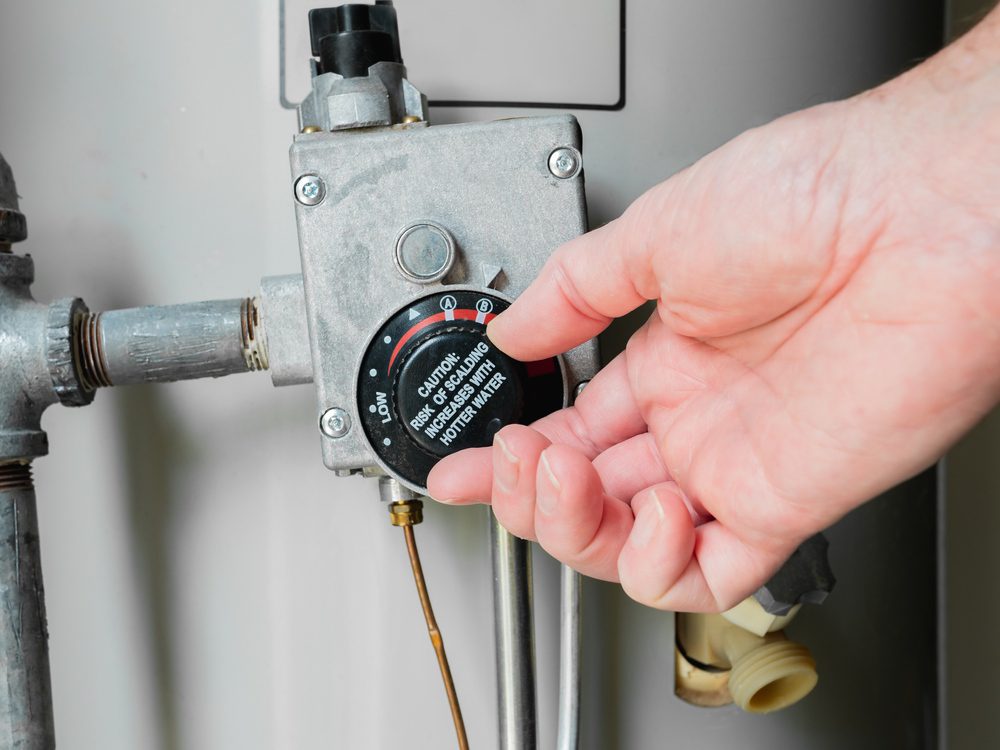
- If the thermostat is set too high: Simply lower the temperature setting.
- If the wiring is loose: Carefully tighten the connections (after ensuring the power is OFF, of course!).
- If the thermostat is faulty: This is where things get a little more involved. You might need to replace the thermostat. Thankfully, they're relatively inexpensive and readily available at most hardware stores. However, if you're not comfortable working with electricity, it's best to call a professional.
Putting It All Back Together
Once you've checked or adjusted the thermostat, it's time to put everything back together. Replace the insulation, screw the access panels back on, and carefully turn the power back on at the circuit breaker. Give the water heater a few hours to heat up, and then test the water temperature.
The Zen of Water Heater Maintenance
Checking your water heater thermostat might not be the most glamorous task, but it's a valuable skill that can save you money, prevent problems, and give you a better understanding of your home's inner workings. Plus, it's kind of cool to be able to say you know how to do it, right? It’s like being a water-heating whisperer!
So, go forth and conquer your water heater! And remember, when in doubt, call a professional. There's no shame in asking for help, especially when it comes to electricity and water.