
How To Check For Gas Leak Stove

Alright, kitchen adventurers and culinary maestros, let's talk about something that's probably crossed your mind at least once while whipping up a masterpiece: "Is that a gas smell?" It’s a completely normal thought, and thankfully, checking for a gas leak from your stove isn't some super-secret spy mission. In fact, it's pretty straightforward, and with a few easy steps, you can keep your kitchen cozy and safe. Think of this as your friendly, no-fuss guide to peace of mind!
The Nose Knows (And It's Your Best Friend)
First up, your most powerful tool: your nose! Natural gas, in its pure form, is actually odorless. Pretty sneaky, right? That distinctive "rotten egg" smell you associate with gas? That's thanks to a brilliant little additive called mercaptan. Utility companies add this pungent compound specifically so you can smell even the tiniest leak. It's like a built-in safety alarm!
So, if you catch a whiff of something that reminds you of sulfur, stale eggs, or even an old gym sock, don't just dismiss it. Listen to your nose. It’s trying to tell you something important.
Must Read
Visual Cues (The Eyes Have It)
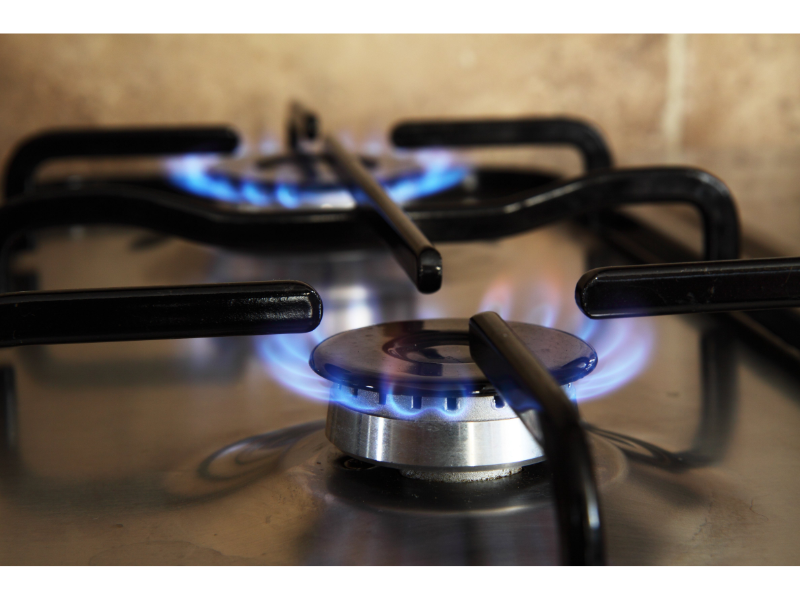
Next, let's give your stove a quick visual once-over. Are the flames on your burners burning a nice, crisp blue? Great! That indicates efficient combustion. If you notice persistent yellow or orange flames, especially when they should be blue, it could be a sign of incomplete combustion, which might not be a leak, but certainly means your stove isn't operating optimally and could produce carbon monoxide. It's worth getting checked out by a professional.
Also, take a peek at the physical connections. Are any hoses or pipes looking loose, cracked, or damaged? What about the knobs themselves? Are they firmly attached or wobbling? Even subtle damage can sometimes indicate an issue.
Listen Up (Sound Off)
Sometimes, a gas leak can literally whisper to you. With the stove off and the kitchen quiet, lean in gently and listen near the gas connections at the back of the stove. Are you hearing a faint, steady hissing sound? It might be subtle, like the sound of air slowly escaping a tire. This could be the sound of gas under pressure making its escape. Silence is golden here, but a hiss is a red flag.
The Bubble Test (Your DIY Superpower)
This is where we get a little bit scientific and a whole lot practical. The soap bubble test is surprisingly effective and super easy to do.

What you'll need: A spray bottle (or a sponge), dish soap, and water.
Here's how to do it:
- First and foremost, make sure your stove is completely OFF and there are no open flames or ignition sources nearby. Safety first, always!
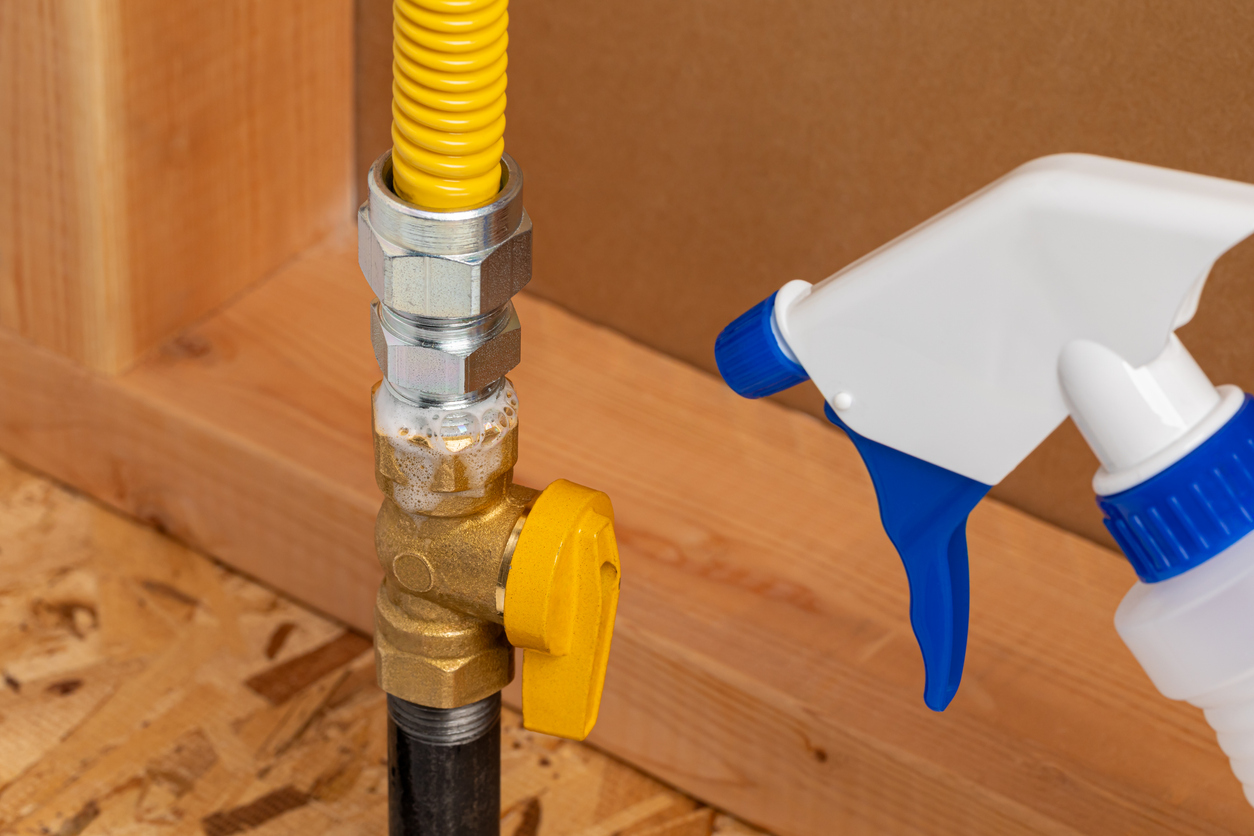
- Mix a generous amount of dish soap with water in your spray bottle or a small bowl. You want a pretty sudsy solution, like the kind you'd use for blowing bubbles.
- Carefully spray or dab the soapy mixture over all the gas connections on your stove – think where the gas line enters the appliance, and around the burner connections if you can safely access them.
- Now, watch closely. If you see any bubbles forming and growing in the soapy solution, you've found your leak. The gas escaping will create distinct, expanding bubbles. It's like a tiny, urgent bubble party you don't want to attend.
Uh-Oh, What If? (When to Act)
If you've conducted your tests and strongly suspect a gas leak (especially if you smell that rotten egg odor!), immediate action is key:
- Don't panic!
- Open windows and doors to ventilate the area.
- If safe to do so, turn off your stove's gas supply valve (usually a knob or lever behind the stove).
- DO NOT use any electrical switches (lights, fans, cell phones) or ignite anything, as a spark could trigger an explosion.
- Evacuate everyone from the house immediately.
- Once you are safely outside and a good distance away, call your gas utility company's emergency line and 911. They are trained professionals who can handle the situation safely.
Prevention is Key (A Stitch in Time)
Like a well-loved cookbook, your stove benefits from a little TLC. Regularly checking your gas connections, ensuring your stove is clean and well-maintained, and addressing any odd smells or sounds promptly can save you a lot of hassle and keep your home safe. It's about being aware, not alarmed.
So, next time you're contemplating a gourmet meal, take a moment for these quick checks. Knowing how to spot a potential issue means you can get back to what you love doing most in your kitchen – cooking, creating, and enjoying delicious moments with complete peace of mind. Your home is your sanctuary, and keeping it safe allows you to truly savor every single day.
