How To Check For Carbon Monoxide In Home
Ever feel like a bit of a home detective, keen to uncover the secrets of your living space? Well, here’s a fascinating, and incredibly important, little mystery to unravel: how to check for carbon monoxide (CO) in your home. It might not sound like a thrilling adventure, but trust me, understanding this silent threat is like gaining a superpower for household safety, giving you a huge dose of peace of mind.
Carbon monoxide is often called the "silent killer" for a very good reason. It’s a gas that’s colorless, odorless, and tasteless, making it virtually impossible for our human senses to detect. This stealthy nature is precisely why learning about it and how to check for it isn’t just good practice; it's absolutely vital. The primary purpose of knowing how to check for CO is straightforward: to protect yourself and your loved ones from accidental poisoning, which can lead to serious health issues or even be fatal. It’s about being proactive and creating a safer environment where you can truly relax.
So, how does this knowledge play out in daily life and perhaps even spark some educational curiosity? In your daily routine, it means knowing where to place CO detectors – ideally on every level of your home, especially near sleeping areas and fuel-burning appliances. It means understanding that regular maintenance of your furnace, water heater, and gas stove isn't just about efficiency, but also about preventing CO leaks. For the curious minds, especially kids, it can be a gateway to understanding basic chemistry and combustion processes, and why things like proper ventilation are so crucial. Imagine explaining to a child why a car shouldn't be left running in an enclosed garage – it's a practical lesson in gas safety that sticks!
Must Read
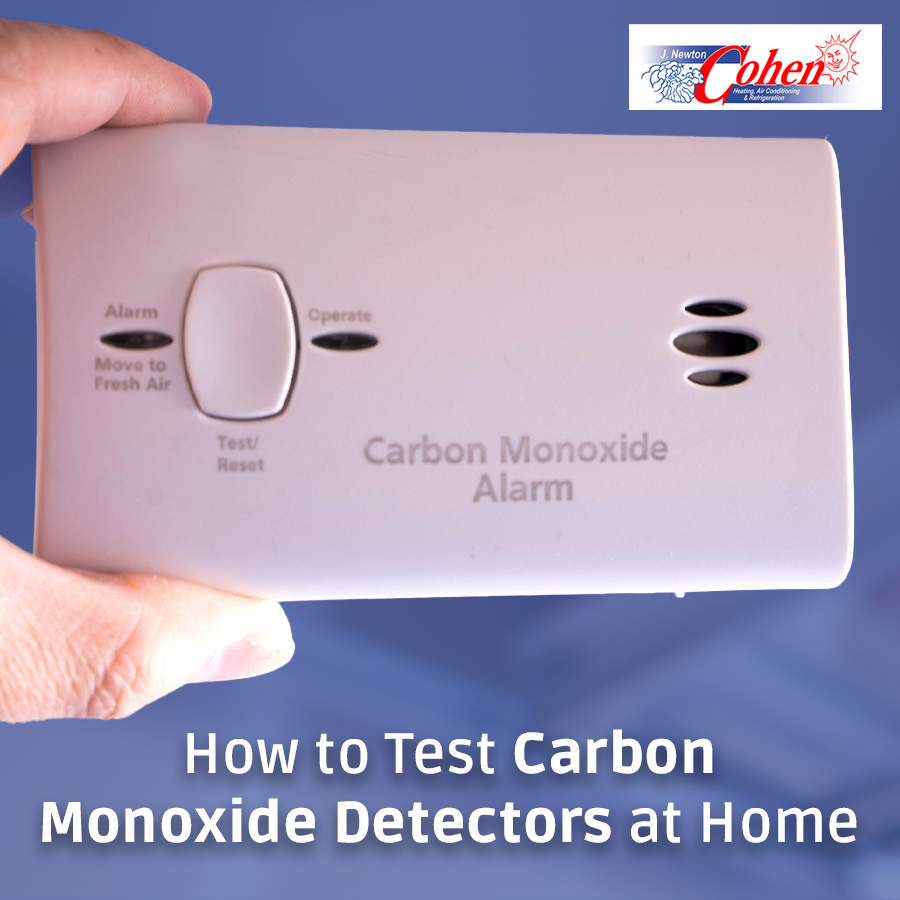
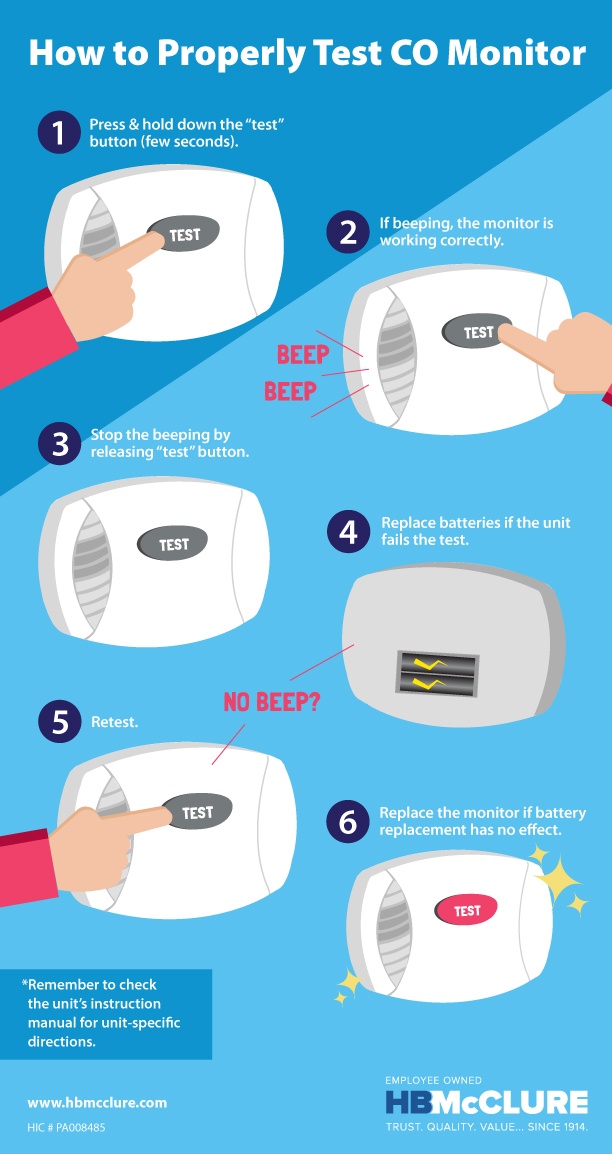
Ready to become a carbon monoxide connoisseur? Here are some simple, practical tips to explore this vital topic. The most effective method for detection is to install carbon monoxide alarms. Think of them as your home's vigilant nose. You can find various types: battery-powered, plug-in with battery backup, and hardwired models. Make sure they meet safety standards (look for a UL or CSA certification). Don't forget to test them regularly – most have a test button – and replace their batteries annually or according to manufacturer instructions. Also, pay attention to their expiration dates; detectors typically last 5-7 years before needing replacement.
Beyond the detectors, a bit of routine vigilance goes a long way. Ensure that any fuel-burning appliances like furnaces, gas fireplaces, and water heaters are serviced annually by a qualified technician. Always use gas appliances properly; for instance, never use a gas oven to heat your home. Keep flues and vents for these appliances clear of debris. Lastly, while not a direct "check," be aware of the symptoms of CO poisoning, which can include headache, dizziness, nausea, and confusion – often mistaken for the flu. If you suspect CO poisoning, get fresh air immediately and call for help. Being informed is your best defense!