
How To Check Crime Rate In A Neighborhood

So, you’re thinking about moving, or perhaps just wondering about your current stomping grounds. One question always pops up:
“How safe is it here?”
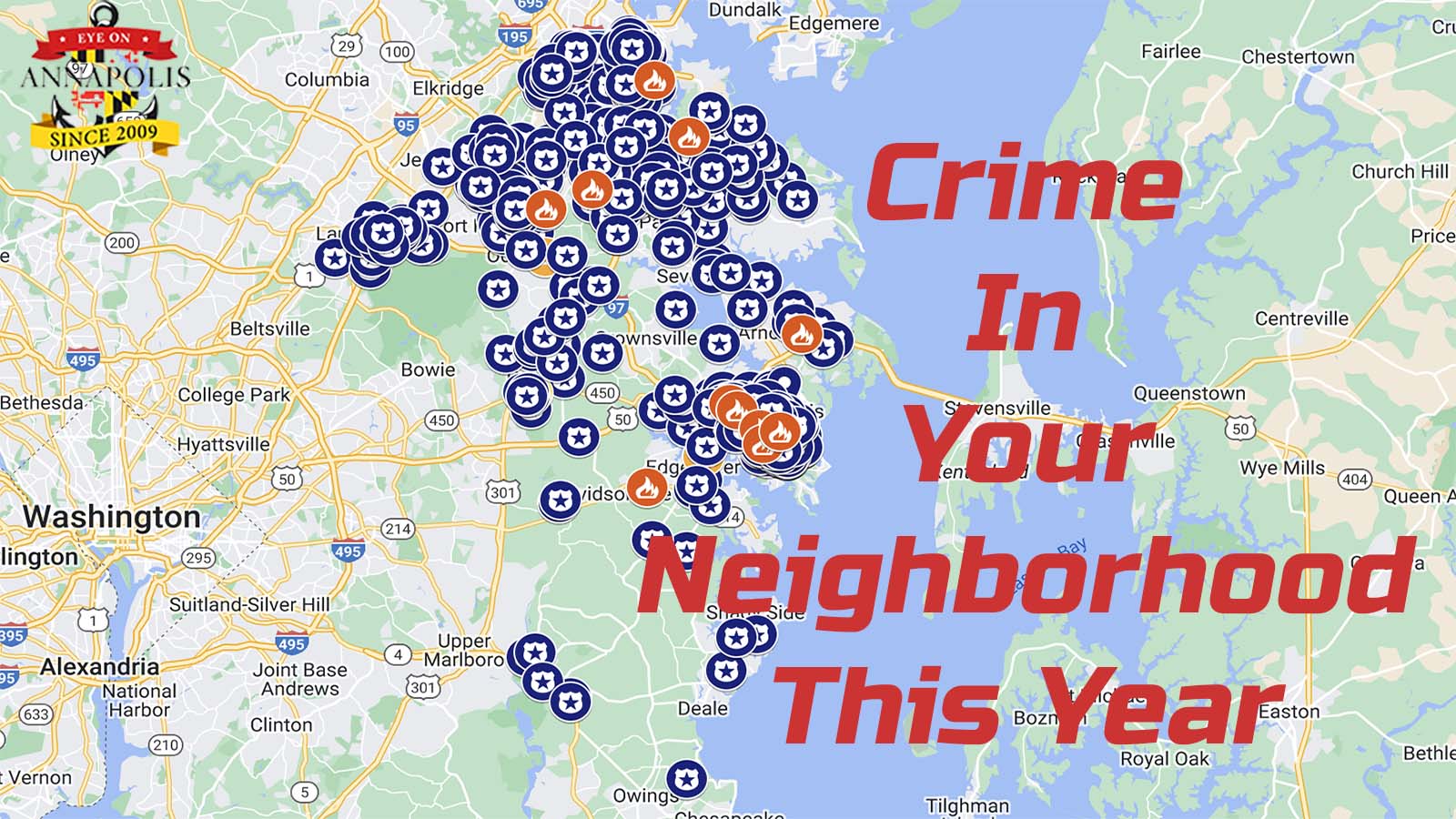
And naturally, you want to know about the crime rate. Many folks immediately hit the internet, ready to dive into spreadsheets.They look for official police reports. They hunt for maps with ominous red dots. But let's be honest, gazing at a screen full of cold, hard data isn't exactly a party, is it? It can feel a bit like homework from that one math teacher you never quite understood.
Must Read
Here’s where my slightly
unpopular opinion
comes in. While numbers are nice, they don't always tell the whole story. They miss the crucial ingredient: thevibe
. And the vibe, my friends, is everything.Forget The Spreadsheets, Trust Your Senses
Yes, government websites list crime statistics. You can find out how many car break-ins happened last Tuesday. You can learn about the specific types of incidents that plague a certain zip code. This is all very important information, of course.
But how does a number tell you if you'll feel comfortable walking your dog at dusk? Can a bar chart explain the feeling of community spirit? I think not. This is where you, dear reader, become the ultimate detective.
The Eye-Test: Become a Neighborhood Nosing Detective
Your first tool is your very own set of peepers. Take a walk. Not just a quick drive-by, but a proper, meandering stroll. What do you actually see?
Are people out and about? Are kids playing hopscotch on the sidewalk? Or is it eerily quiet, with curtains drawn tight even in the middle of the afternoon? These subtle cues are your first big clues.
Look at the homes. Are they generally well-maintained? Do folks bother to cut their grass and trim their hedges? A little bit of curb appeal often signals that residents take pride in their area, which can translate to a sense of watchful community.
Conversely, if every other house looks like it’s auditioning for a haunted house movie, that might be a subtle red flag. Untended yards, broken windows, and overflowing trash cans can sometimes suggest a lack of care, which can, in turn, attract certain less-desirable activities.
Notice the lighting. Are the streets well-lit at night, or are there dark, shadowy corners? Good lighting isn't just for atmosphere; it's a known deterrent for various types of mischief. A well-lit path feels safer, simple as that.
The Ear-Test: Listen to the Local Symphony
Next up, your ears! What sounds fill the air? Do you hear children laughing? Dogs barking playfully? The distant hum of friendly conversation from porches? These are all good sounds, signaling life and interaction.
Are there loud, sudden noises that make you jump? Or a pervasive, unsettling quiet that feels unnatural? Of course, every neighborhood has its moments, but pay attention to the general acoustic backdrop.
Park yourself on a bench for a bit. Listen to the rhythm of the place. Does it feel harmonious or discordant? The soundscape can tell you a surprising amount about the underlying pulse of a neighborhood.
The Gossip Network: Your Unofficial Intelligence Team
Now, for the really fun part: talking to people. This is where you gather the kind of intelligence that no government database could ever provide. Think of it as activating your
local intelligence network
.The Barista Briefing
Pop into the local coffee shop. Order a latte. Engage the barista in conversation. These folks are goldmines of information. They see everyone. They hear everything.
“What’s it like around here?”

They might give you a knowing glance and a helpful tip. Or perhaps a reassuring smile. Their insights are often unfiltered and based on countless daily interactions. They know the regulars, and they know the rhythm of the day.
The Mail Carrier Manifestos
Spot a mail carrier? They are like the secret agents of the neighborhood. They walk every street, every day. They know who just moved in, who’s renovating, and perhaps, subtly, who's been causing a fuss. A quick, friendly chat can yield surprising insights.
Ask them about the general friendliness of the area. Do people say hello? Do they look out for each other? These everyday observations are far more telling than a statistic about property crime from three years ago.
The Park Bench Philosopher
Find an older person sitting on a park bench. They've likely seen it all. They've watched generations come and go. They often possess a deep, anecdotal history of the area. They can tell you about how things
used to be
and how they are now.Their perspective often cuts through the noise. They might share a funny story or a cautionary tale that paints a vivid picture of the neighborhood's true character. This is the stuff of real, human experience.
The Gut Check: Your Internal Crime-Rate Compass
After all the looking and listening and chatting, there’s one final, crucial step: your
gut feeling

you feel
?"If a neighborhood doesn't pass the 'late-night ice cream run' test, it might not be the place for you."
Imagine yourself walking home after dark. Do you feel a prickle of anxiety? Or a sense of calm reassurance? Trust that instinct. Your subconscious mind is processing a thousand tiny data points you haven't even articulated.
Would you feel comfortable letting your kids play outside? Would you leave your bike unlocked for five minutes while you run into a shop? These seemingly small questions tap into a deeper level of comfort and perceived safety.
Sometimes, a place can look perfectly lovely on paper, with glowing crime statistics. But if your internal compass is screaming
"Nope!"
, then listen to it. Your personal safety and peace of mind are paramount.Conversely, a neighborhood might have a slightly higher number of petty incidents listed online, but if it feels vibrant, friendly, and watchful, your gut might give it a green light. That human connection often outweighs raw data.

The Unpopular Truth (But I'm Sticking To It)
So, when it comes to checking the crime rate, yes, glance at the official reports if you must. But don't let those numbers be the final word. They're just one piece of a much larger, more colorful puzzle.
The real story of a neighborhood's safety is written in its sidewalks, whispered in its coffee shops, and felt deep in your bones. It's about the
community
, thepeople
, and the overallvibe
.Be a detective, be a listener, and most importantly, trust your own unique human radar. Because at the end of the day, how
you
feel is the only crime rate statistic that truly matters foryour
happy home.