
How To Charge Iphone 16 In Car

Alright, settle in, grab a virtual coffee, because we need to talk about something profoundly serious, yet hilariously frustrating: charging your brand-spanking-new iPhone 16 in your car. Forget global politics or the meaning of life; the real existential dread hits when you're 45 minutes from home, navigation is running, and your phone's battery icon is a melancholic red sliver, mocking your very existence. And with an iPhone 16, which is basically a tiny, powerful supercomputer in your pocket, you need to treat it with the respect it deserves, even when it’s desperately slurping power from your vehicle’s... let's call it, "less than ideal" power grid.
The Saga of the Dwindling Battery Bar
We've all been there. You jump in the car, full of optimism, only to realize you forgot to charge your phone last night. Or maybe you did, but you spent three hours doomscrolling before leaving the driveway. Whatever the crime, the punishment is swift: that tiny battery indicator starts its downward spiral, faster than a politician's approval rating. And with the iPhone 16's presumably epic camera, incredible processor, and who-knows-what-other-mind-blowing features, it’s going to be a hungry beast. So, how do we appease it?
Charging your phone in the car used to be an arcane art, involving flimsy adapters and prayer. Now, it's still a bit of an art, but with more science (and a lot less prayer, hopefully). The key is understanding that your car, while a marvel of engineering, isn't always set up to be a state-of-the-art charging station for a device as sophisticated as the iPhone 16.
Must Read
Your Car's Brain: What Are We Working With?
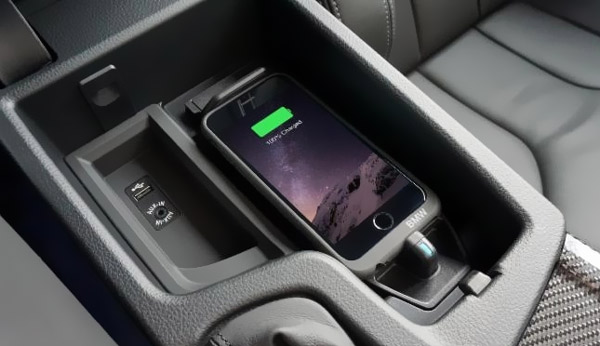
Most cars offer a few ways to get power. You’ve got your old reliable 12V accessory socket, lovingly nicknamed the "cigarette lighter" port (even though nobody uses it for that anymore, unless you're a time traveler). Then, increasingly, you have built-in USB ports – sometimes USB-A, sometimes USB-C. These are your raw ingredients for a fully juiced iPhone 16.
But here’s the rub: not all power is created equal. Plugging your iPhone 16 into a dusty old USB-A port from 2012 is like trying to hydrate a marathon runner with an eyedropper. It'll work, eventually, but you'll be driving in circles until the sun explodes before you hit 100%.

Unmasking the iPhone 16: The USB-C Powerhouse
Okay, vital fact time: by the time we get to the iPhone 16, Apple will almost certainly have fully embraced USB-C across the board. This is a game-changer. No more fumbling with Lightning cables. But more importantly, USB-C opens the door to something truly magical: Power Delivery, or PD.
Think of PD like a turbocharged charging superhighway. It allows devices to communicate and negotiate the fastest possible safe charging speed. For your iPhone 16, this means you’ll want a charger that specifically supports USB-C Power Delivery and can output enough watts. While Apple rarely publishes exact wattages, a 20W to 30W USB-C PD charger is usually the sweet spot for rapid iPhone charging. Anything less, and you're back to the eyedropper method.

The Holy Trinity of Car Charging Glory
To achieve peak iPhone 16 charging enlightenment in your car, you need three things:
1. The Mighty Adapter (for the 12V socket)
If you're using the 12V socket, you need a car charger adapter. Do not skimp here. Look for one that explicitly states it's USB-C PD compatible and lists a decent wattage (20W, 30W, or even higher, as your iPhone will only draw what it needs). These adapters transform your car's 12V power into something your iPhone 16 can actually drink deeply from. Think of it as a fancy juice press for electrons.
2. The Robust Cable
Just because a cable fits doesn't mean it’s good. You need a high-quality USB-C to USB-C cable. A cheap, flimsy cable from the dollar store might charge, but it won't deliver the full power of a PD charger, acting as a bottleneck. Look for cables from reputable brands. Apple's own, or MFi (Made for iPhone) certified cables, are always a safe bet, but many third-party brands are excellent too. Just make sure it feels sturdy; it's going to live a tough life in your car.
3. The Right Port (in your adapter)
Plug your fancy cable into your fancy adapter, and then plug that into the 12V socket. This setup is almost always going to give you the fastest, most efficient charging for your iPhone 16 on the road. It bypasses the often-underpowered built-in USB ports of your car.
"But My Car Has a USB-C Port!"
Yes, many newer cars do! And that's fantastic for connecting things like Apple CarPlay or Android Auto. But here’s the kicker: many built-in car USB ports (even USB-C ones) are designed primarily for data transfer or trickle-charging accessories, not for rapid charging a power-hungry flagship like the iPhone 16. They might only output 5W or 10W, which means your iPhone will spend an hour gaining 10%. Convenient for maintaining charge, but not for rescuing a dying phone. Always check your car's manual if you're curious about the wattage of its built-in ports.
Wireless Charging in the Car: Magic or Myth?
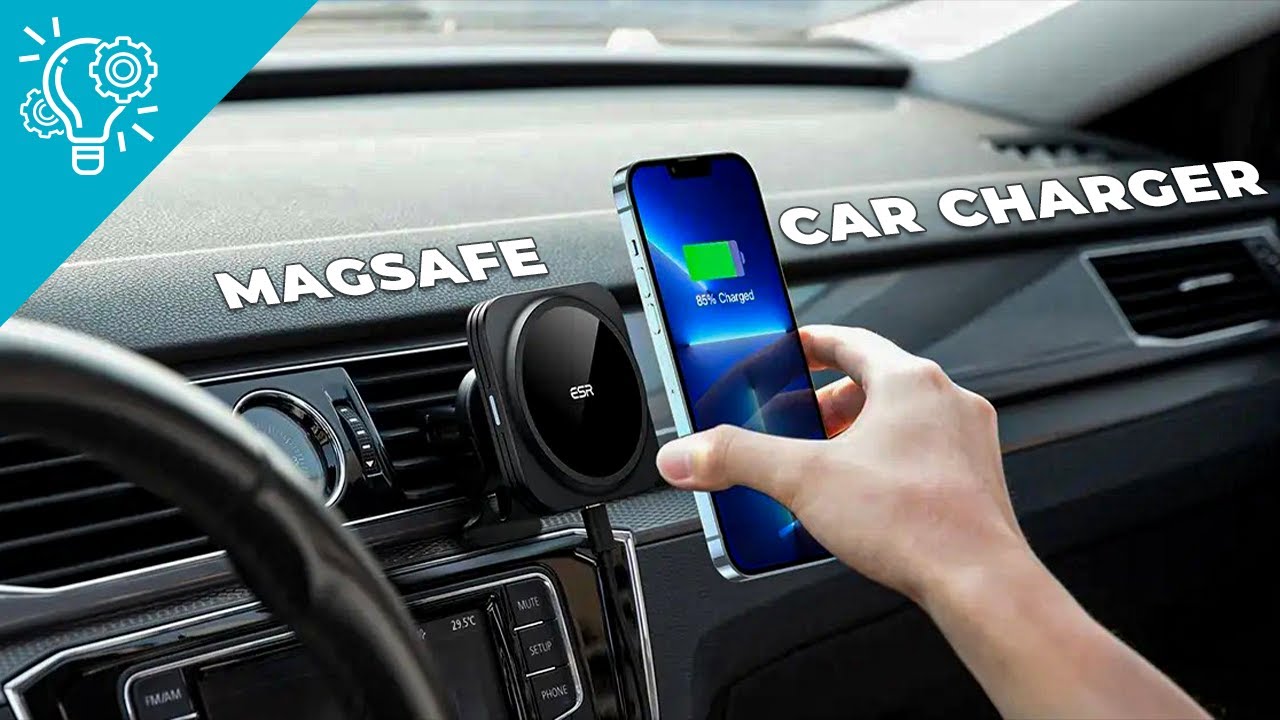
Ah, the allure of MagSafe! If your car has a MagSafe-compatible mount or charger (or you invest in one), you can indeed wirelessly charge your iPhone 16. This is incredibly convenient for navigation and quick glances. However, wireless charging is inherently less efficient than wired charging. It generates more heat and charges slower than a good wired PD setup. It's fantastic for topping up or maintaining charge on short trips, but if you're in a desperate need for juice, stick to a cable.
The Grand Finale: Tips from a Car Charging Guru (Me)
- Invest in Quality: This isn't the place to save a few bucks. A good USB-C PD car charger and a robust USB-C to USB-C cable are your best friends.
- Check the Watts: Aim for a car adapter that outputs 20W or more from its USB-C PD port.
- Know Your Car: Understand if your car's built-in ports are actually powerful enough for fast charging. (Spoiler: probably not.)
- Don't Be Afraid of the 12V Socket: It’s your most reliable power source with the right adapter.
- Keep it Clean: Periodically check your cables and ports for dust or debris. It can interfere with charging!
So there you have it. Charging your iPhone 16 in the car isn't just about plugging it in; it's about understanding the subtle dance between power and portability. Arm yourself with the right gear, and you'll never again face the existential dread of a dead phone in the middle of nowhere. Now, if you'll excuse me, I hear my own phone politely asking for a top-up, and I definitely don't want to anger the silicon gods.