
How To Change Your Mailing Address Post Office
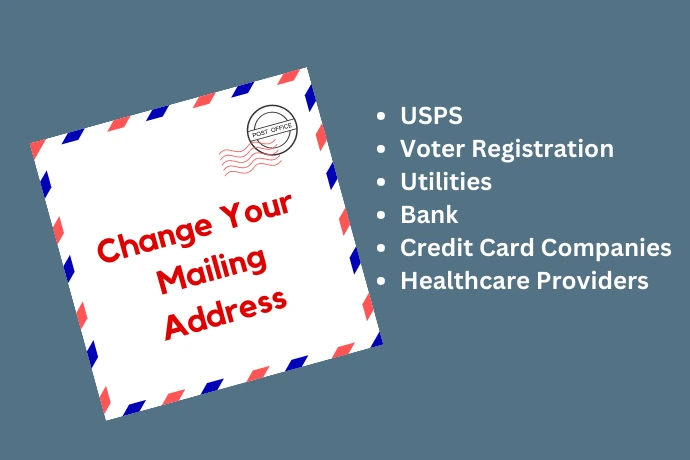
Okay, gather 'round, folks! Let's talk about something thrilling... moving! (I know, packing boxes isn't exactly skydiving, but bear with me.) Specifically, let's tackle the Everest of administrative tasks: changing your mailing address with the Post Office. Fear not, intrepid movers! It's not nearly as scary as your Aunt Mildred’s fruitcake recipe. In fact, it's surprisingly straightforward. Think of me as your Sherpa, guiding you through the bureaucratic blizzard with witty anecdotes and incredibly useful information.
The Almighty Change-of-Address Form: Your Key to Forwarding Nirvana
First things first, you need the holy grail of moving: the change-of-address form. You have two main options here: the online method or the paper method. Choose wisely, young Padawan.
Online: Head over to the official USPS website. I stress official because there are tons of sites out there that look like they’re helping you, but are actually just trying to sell you a whole bunch of "moving kits" filled with bubble wrap you definitely already have, and a flimsy box you can get for free at the grocery store. The official USPS site is where the magic happens. Be prepared to shell out a measly $1.10 for identity verification. Think of it as a toll for the information superhighway. It's cheaper than a cup of coffee, and way less likely to spill on your keyboard.
Must Read
Now, I know what you’re thinking: "Why am I paying anything? Isn't this a basic human right, like breathing or complaining about airline food?" Well, the fee is there to prevent identity theft, which, let's be honest, is a real concern in this day and age. Think about it: someone could potentially reroute your mail and steal your identity, then start ordering inflatable dinosaur costumes in your name. No one wants that!
Paper: If you're more of a "pen and paper" kind of person (or if you distrust the internet because you think squirrels are hacking the government), you can grab a physical form at your local Post Office. These are usually near the self-service kiosks, probably nestled between the "Priority Mail" envelopes and the wanted posters (hopefully, you're not on one of those!). Fill it out carefully. Illegible handwriting is the enemy here. If your handwriting looks like a doctor's prescription, maybe opt for the online version.
The Details, Details, and More Details (But Don't Panic!)
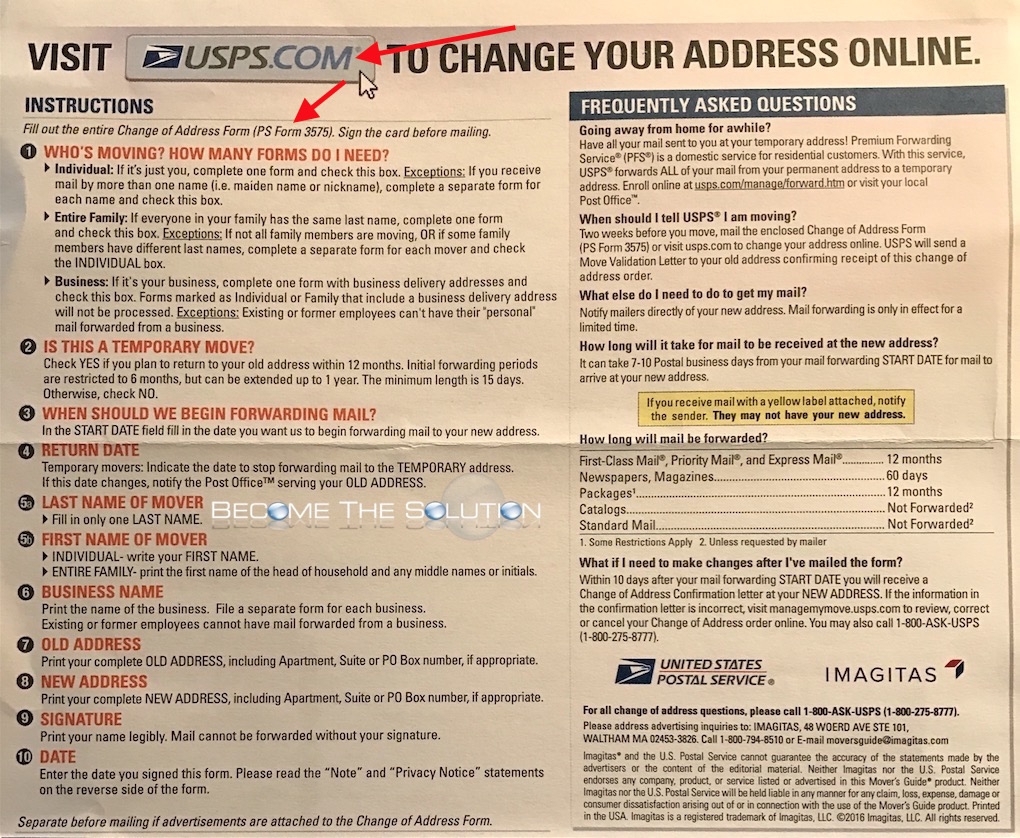
Okay, now for the nitty-gritty. Regardless of which method you choose, you'll need to provide some key information. Get ready to unleash your inner data entry wizard!
Your Old Address: This is where you're currently living, or rather, were living. It's like saying goodbye to an old friend, except this friend is a building. Be sure to include the street address, apartment number (if applicable), city, state, and zip code. Don't forget the zip code! It's like the secret handshake to get into the postal club.
Your New Address: This is where you're headed! The promised land of unpacking, furniture rearranging, and questionable decorating choices. Again, street address, apartment number, city, state, and zip code are essential.
Effective Date: This is the date you want the mail forwarding to begin. Don't pick a date in the past, unless you've invented a time machine and want to confuse the postal workers. Choose a date that's either the day you move or a few days before. Give the USPS some wiggle room, they're not wizards.
Individual or Family Move: This is where you specify whether you're moving solo or with a whole gaggle of people. If you're moving with your family, you'll need to list the names of everyone who wants their mail forwarded. Fido and Fluffy don’t count (unless they get a lot of catalogs).
Types of Forwarding: Temporary vs. Permanent (The Eternal Question)
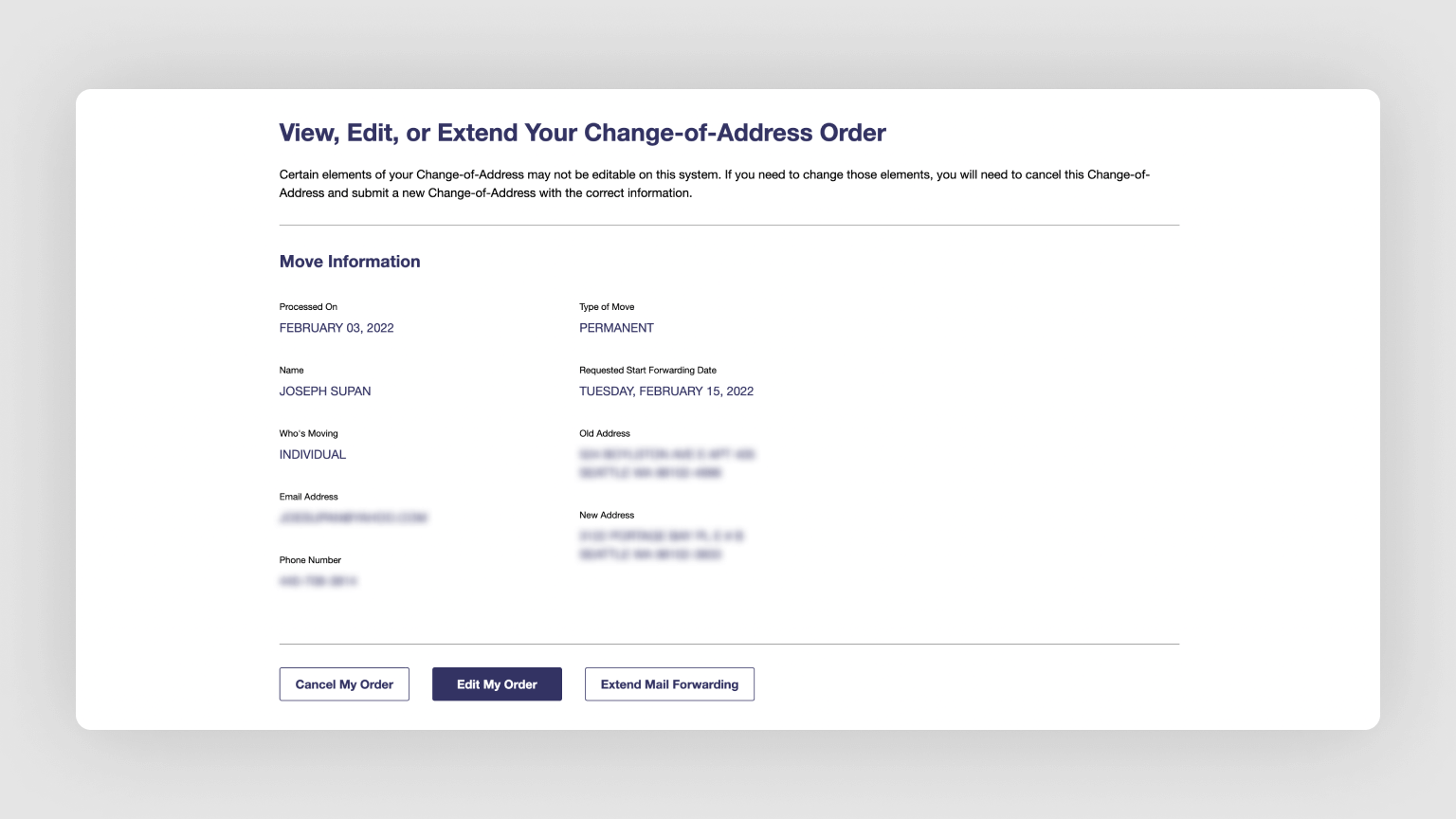
You'll also need to choose between temporary and permanent forwarding. Think of it like choosing between a summer fling and a lifelong commitment.
Temporary: If you're only moving for a short period of time (say, a few months), temporary forwarding is your jam. This is perfect for snowbirds, digital nomads, or anyone who's just trying to escape their in-laws for a while. Temporary forwarding lasts for a minimum of 15 days and a maximum of one year.
Permanent: This is the big leagues. This means you're officially cutting ties with your old address and embracing your new life. Permanent forwarding lasts for 18 months. After that, you'll need to update your address with all your important contacts (banks, magazines, subscription boxes full of artisanal cheese graters – you know, the essentials).

Confirmation and Patience: The Waiting Game
Once you've submitted your form, either online or in person, you'll receive a confirmation in the mail. Yes, you'll get mail at your old address confirming you're changing your address. The irony is not lost on me.
Then, it's time to practice the art of patience. Mail forwarding doesn't happen overnight. It can take a few weeks for the system to kick in. In the meantime, you might still get some mail at your old address. Don't panic! Just politely write "Moved – No Longer at This Address" on the envelope and put it back in the mailbox. The postal worker will take care of the rest.
And that's it! You've successfully navigated the treacherous terrain of changing your mailing address. Congratulations, you're officially a master of the mail! Now go forth and conquer your new neighborhood. And maybe, just maybe, invest in a slightly less terrifying fruitcake recipe.