
How To Change Dc To Ac Voltage
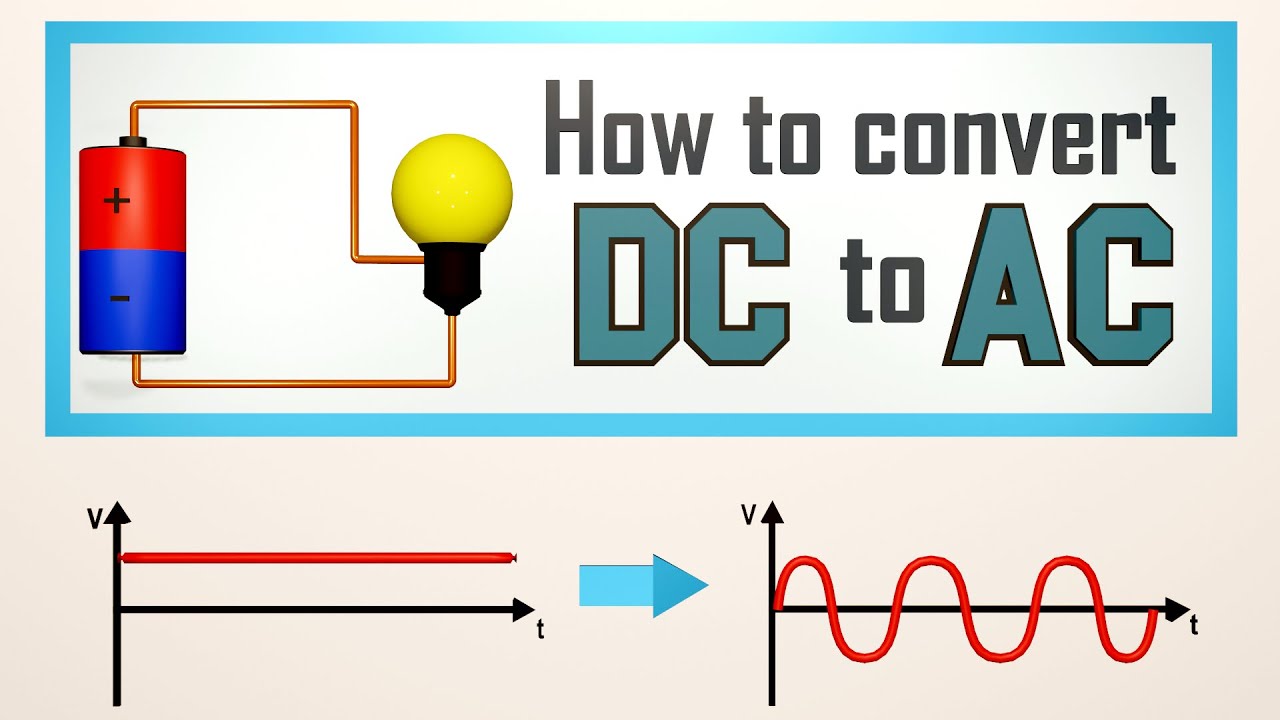
Alright, grab a cuppa, pull up a chair. Let's chat about something that sounds super techy but is actually pretty cool: changing DC to AC voltage. Sounds like rocket science, right? Like turning a frog into a prince, but for electricity! But honestly, it's not as scary as it sounds. Think of it as giving your boring, straight-laced battery power a little oomph and turning it into something your fancy gadgets can actually use.
So, you've got two main types of electricity chilling out in our world: DC and AC.
What's DC, you ask?
Imagine DC, or Direct Current, as a super well-behaved river. The water (electrons, in this case) flows in one direction only, nice and steady. Think batteries. Your phone battery? DC. Your car battery? DC. Those little AA batteries in your remote? You guessed it, DC. It's great for powering things directly, especially portable stuff, because it's predictable and stable. But it's also, well, a bit... boring? It doesn't travel super far efficiently, and most of our household appliances aren't designed for its one-way trip.
Must Read
This is where things get interesting!
And AC? Oh, AC is the life of the party!
Alternating Current is like a super energetic dance party where the electrons are constantly grooving back and forth, switching directions many times per second. It's less of a river and more of a tidal wave, constantly ebbing and flowing. This is the stuff that comes out of your wall outlets at home. It’s what powers your fridge, your TV, your toaster, everything that needs to be plugged in. Why? Because AC is fantastic for traveling long distances. It can be easily transformed to different voltages, making it perfect for power grids that span cities and countries. Pretty neat, huh?
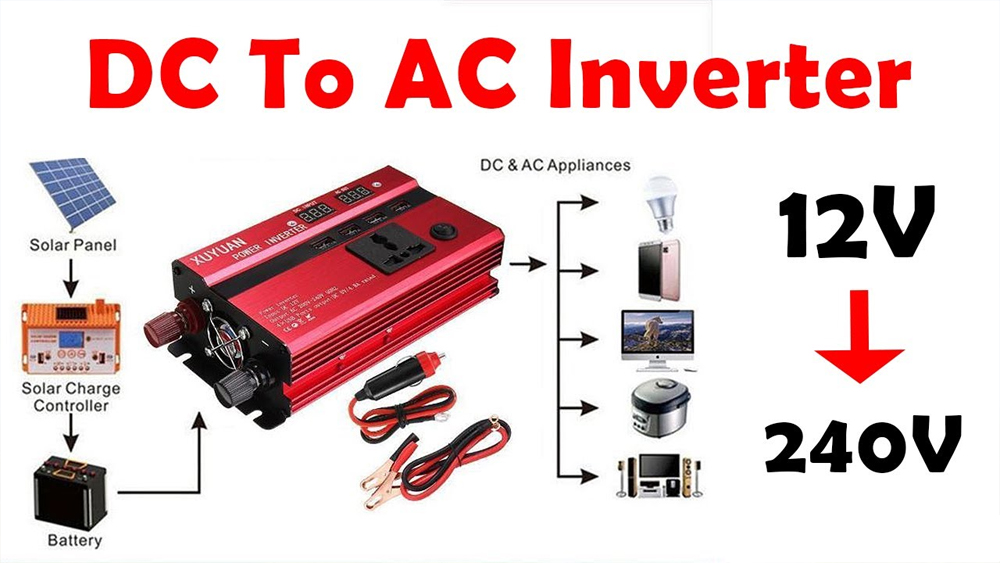
So, we have this steady, reliable DC from our batteries, and this exciting, versatile AC from our walls. But what if you’re out camping, or the power goes out, and you have a battery (DC) but need to run your laptop (AC)? This is where our hero steps in!
Enter the Inverter: Your DC-to-AC Magic Box!
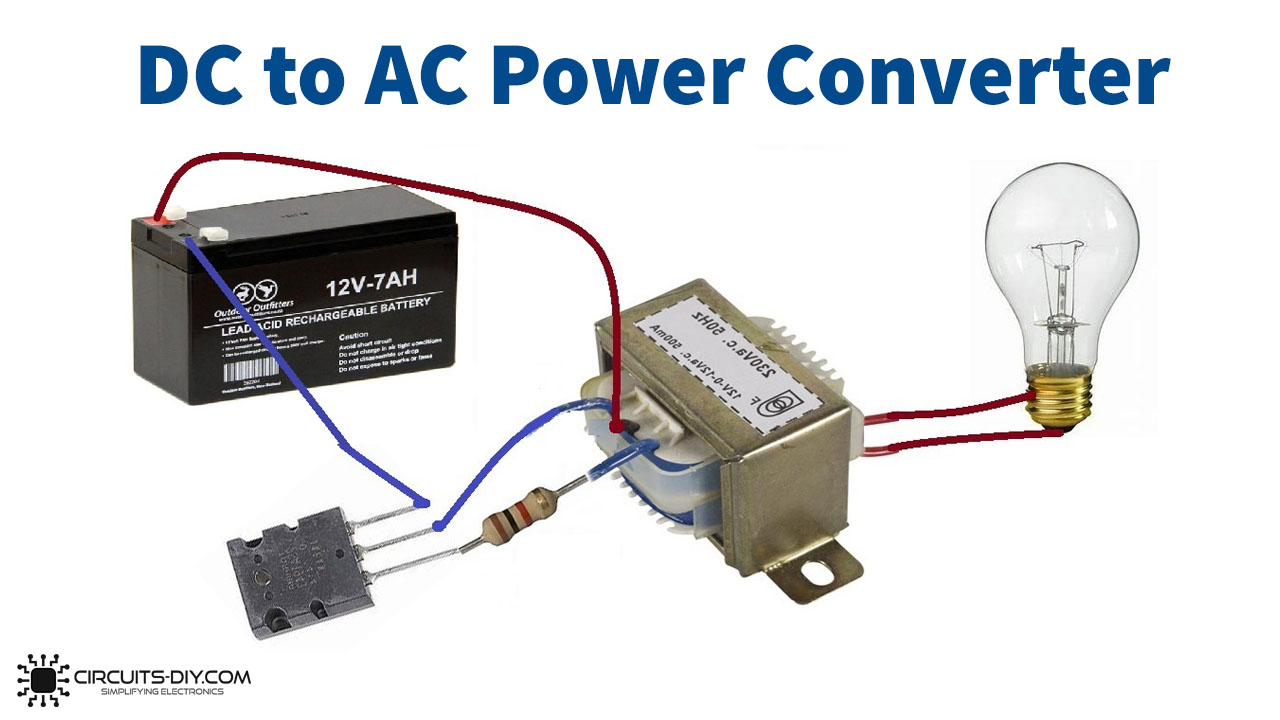
An inverter is basically a little electrical wizard that takes that steady DC power and transforms it into the wavy AC power your appliances crave. It’s not actually magic, though it might feel like it when your camping fridge hums to life thanks to a car battery! How does it do this?
The core trick is a bit like super-fast digital chopping. Imagine you have a steady stream of water (DC). An inverter has tiny, super-speedy switches that rapidly turn that DC current on and off, on and off. Instead of a continuous flow, you get a series of quick pulses. Think of it like a very fast strobe light, or someone flicking a light switch hundreds or thousands of times a second.

This "chopped" DC isn't quite AC yet, but it's getting there! The next step is a bit like shaping those rough pulses into something smoother. Think of those square, choppy pulses as a lumpy, Frankenstein's monster version of AC. We need to smooth it out.
The Wave Forms: Not All AC Is Created Equal (from an Inverter, anyway!)
There are generally two main types of AC waves an inverter can produce, and it's a bit like comparing a perfectly smooth jazz melody to a catchy but slightly rough rock track:
- Modified Sine Wave Inverters: These are usually more affordable. They produce an AC waveform that's a bit like a stair-step approximation of a smooth wave. It's good enough for most simple electronics like phone chargers, lights, or even some power tools. Your basic stuff will probably be fine. But sensitive electronics? They might get a little grumpy, hum a bit, or even get damaged over time. It's like trying to listen to a high-fidelity track on a slightly broken speaker.
- Pure Sine Wave Inverters: Ah, these are the fancy ones! They produce an AC waveform that's virtually identical to the power you get from your wall outlets. It's a beautifully smooth, continuous wave. If you've got delicate electronics – think laptops, medical devices, fancy audio equipment, or anything with a motor – a pure sine wave inverter is what you want. They're more expensive, but they're worth it for peace of mind and happy gadgets. Your electronics will thank you for giving them the good stuff!
After the rapid switching and wave shaping, many inverters also use a transformer to step up (or sometimes down) the voltage to the level your appliances expect, usually 120V in North America or 230V in Europe. So, your 12V car battery can happily power your 120V blender!
Why Bother, Though?
Well, because life happens, right? Camping trips, road trips, power outages at home, running tools where there are no outlets, powering off-grid cabins with solar panels. An inverter lets you take that readily available DC power (from batteries, solar panels, or even fuel cells) and make it useful for all those AC-powered things we rely on daily. It’s all about flexibility and keeping your devices juiced up, no matter where you are.
So next time you see someone plugging a toaster into a car, or hear about someone running their entire house off solar panels, give a little nod to the humble inverter. It's the unsung hero, constantly doing its thing, turning that predictable DC into zappy, versatile AC. Pretty cool for a little box of switches and wires, wouldn't you agree?
