
How To Categorize Business Expenses For Taxes
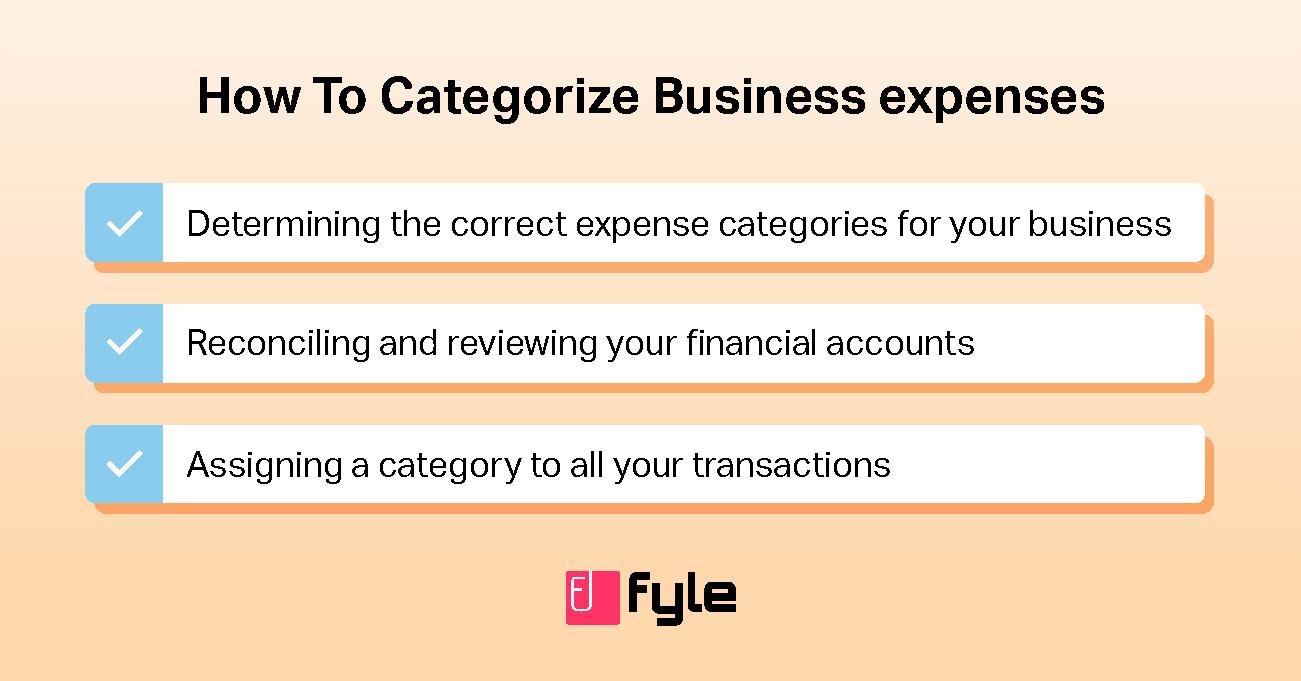
Alright, buckle up buttercups! Let's dive headfirst into the thrilling world of business expense categorization! Okay, maybe thrilling is a bit of an overstatement, but trust me, understanding this stuff is like unlocking a secret level in a video game called "Adulting." It means more money in your pocket come tax time!
The Big Picture: Expense Categories
Think of expense categories like organizing your closet. You wouldn't throw your socks in with your fancy evening gowns, would you? (Unless, you know, you're going for a very avant-garde look.) Tax categories are the same. Each expense has a specific place it belongs.
We're talking about things like advertising, rent, supplies, and the ever-popular "other" (we'll get to that mysterious beast later!). Getting these categories straight is key to keeping your tax life sane, simple, and maybe even...fun! (Okay, pushing it again.)
Must Read
Category 1: Home Sweet Home (Office)
Working from your couch in your pajamas? You might be able to deduct a portion of your home office expenses! This includes things like rent or mortgage interest, utilities, and even homeowner's insurance. Just imagine – the IRS helping you pay for your Netflix binges (indirectly, of course, as you are using the internet to run your business!).
The key here is that you must use part of your home exclusively and regularly for business. So, the corner of your bedroom that triples as a workspace, gym, and dumping ground for laundry probably won't cut it. Think dedicated office space.
Keep track of your square footage! The bigger the office, the more you can deduct. (Just kidding...sort of.)
Category 2: Fueling the Machine (Car & Truck Expenses)
Did your business involve any driving? Then you need to track those car and truck expenses. Think gas, oil changes, repairs, even car washes! (Because a clean car is a productive car, obviously.)
![Categorizing Business Tax Categories [Worksheet #3 V2] - YouTube](https://i.ytimg.com/vi/PZDcdCmeeKQ/maxresdefault.jpg)
You have two main options here: the standard mileage rate or actual expenses. The standard mileage rate is a fixed amount per mile, set by the IRS each year. Actual expenses involve tracking every penny you spend on your vehicle.
Pro tip: Keep a mileage log! Jot down the date, destination, and business purpose of each trip. Trust me, future you will thank you!
Category 3: Win Them Over! (Advertising & Marketing)
Spreading the word about your amazing business? That's advertising and marketing! Think website costs, social media ads, business cards, even sponsoring the local Little League team (Go Mighty Marshmallows!).
This is all about attracting new customers and keeping the ones you have. Did you hand out flyers dressed as a giant chicken? Deductible! (Okay, maybe check with your accountant first on that one.)
Remember to keep receipts or invoices for all your advertising expenses. A blurry photo of a billboard you saw while driving probably won't cut it.

Category 4: The Paper Trail (Office Supplies)
This is where all the essentials go: paper, pens, printer ink, staplers, the ever-important Post-it notes! Think office supplies. If it's used to run your business from your office, it probably fits here.
Don't go overboard and try to deduct your weekly supply of artisanal coffee and gourmet snacks. The IRS might raise an eyebrow. (Although, a well-caffeinated entrepreneur is a productive entrepreneur...)
Keep those receipts! Even small purchases add up over the year.
Category 5: Learn, Grow, Conquer! (Education & Training)
Investing in yourself and your business? That's education and training! Think online courses, workshops, conferences, even that fancy new software that promises to triple your productivity. (We'll see about that.)
![IRS Business Expense Categories List [+ Free Worksheet]](https://fitsmallbusiness.com/wp-content/uploads/2024/09/Screenshot_IRS_Business_Expense_Categories.jpg)
The key here is that the education must directly relate to your current business. Taking a pottery class probably won't be deductible, unless you're a professional potter, of course. (In which case, rock on!)
Save those certificates of completion! Show the IRS you're serious about your education.
Category 6: Building Bridges (Professional Fees)
Need help navigating the legal or financial landscape? That's where professional fees come in. Think lawyers, accountants, consultants, even that freelance web designer you hired to revamp your website.
These are the experts who help you run your business smoothly and efficiently. (Hopefully, they also save you from making any major blunders.)
Invoices are your best friend here! Keep detailed records of the services you received and the fees you paid.
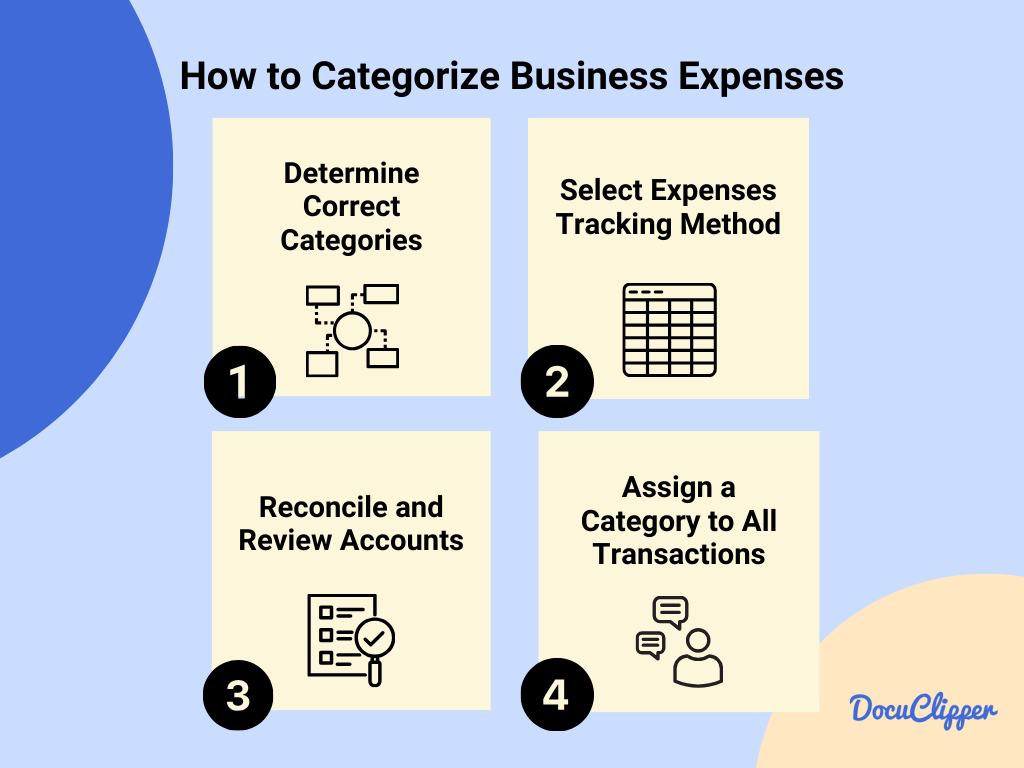
Category 7: The Great Unknown (Other Expenses)
Ah, the "other" category. This is the catch-all for expenses that don't quite fit anywhere else. Think bank fees, subscriptions, even that quirky software you use for a very specific task.
Be careful with this category! The IRS tends to scrutinize "other" expenses more closely. Make sure you have a clear explanation for each item and why it's a legitimate business expense.
Documentation is crucial here! Keep detailed records and explanations for every "other" expense.
Pro Tips for Expense Categorization Domination
Ready to become an expense categorization ninja? Here are a few extra tips to help you on your journey.
- Use accounting software: Tools like QuickBooks Self-Employed or FreshBooks can help you track your expenses and categorize them automatically. It's like having a personal accountant in your pocket!
- Keep everything organized: Create a system for storing your receipts and invoices. Whether it's a digital folder or a physical shoebox (though, we recommend digital!), make sure you can easily find what you need.
- Be consistent: Once you choose a categorization method, stick with it throughout the year. Don't switch things up mid-stream, it will only lead to confusion and chaos.
- Ask for help: Don't be afraid to consult with a tax professional! They can answer your questions, provide guidance, and help you maximize your deductions.
Categorizing business expenses might not be the most glamorous task, but it's a crucial part of running a successful business. By staying organized, being consistent, and seeking help when needed, you can conquer this challenge and keep more money in your pocket. Now go forth and categorize with confidence!