
How To Calculate Square Feet Of A Room For Ac
:max_bytes(150000):strip_icc()/air-conditioning-chart-1152654_final-02-c37c8b4fdf08432baf378e8f0cb9d8e0.jpg)
Okay, so picture this: I'm sweating. Like, legitimately dripping. It's August, my AC is on the fritz (again!), and I'm trying to figure out if I need a whole new unit or if this ancient behemoth just needs a little… encouragement. Turns out, knowing the square footage of my living room was kinda important. Who knew?
That got me thinking: How many people are out there suffering the same fate, blindly guessing at AC sizes and ending up with either an icebox or a humid swamp? Probably a lot. So, let’s break down how to calculate the square footage of a room. It's surprisingly simple, I promise. Even I managed it!
Why Square Footage Matters for AC
Basically, AC units are rated by BTU (British Thermal Units). The BTU rating tells you how much heat the unit can remove from a room per hour. A larger room needs a higher BTU rating to cool effectively. A unit that's too small will run constantly and never properly cool the space. A unit that's too big? Well, that’s inefficient and can lead to humidity problems. (Yes, too much AC is a thing!)
Must Read
Getting the right BTU for the square footage of your room is key to a comfortable and energy-efficient home. Think of it as the Goldilocks of HVAC. Not too hot, not too cold, just right.
The Easiest Way: The Basic Rectangle (or Square!)
Most rooms are, thankfully, roughly rectangular. (Unless you live in some sort of avant-garde architectural masterpiece, in which case, congrats! But this might get trickier.) The formula is wonderfully straightforward:
Square Footage = Length x Width
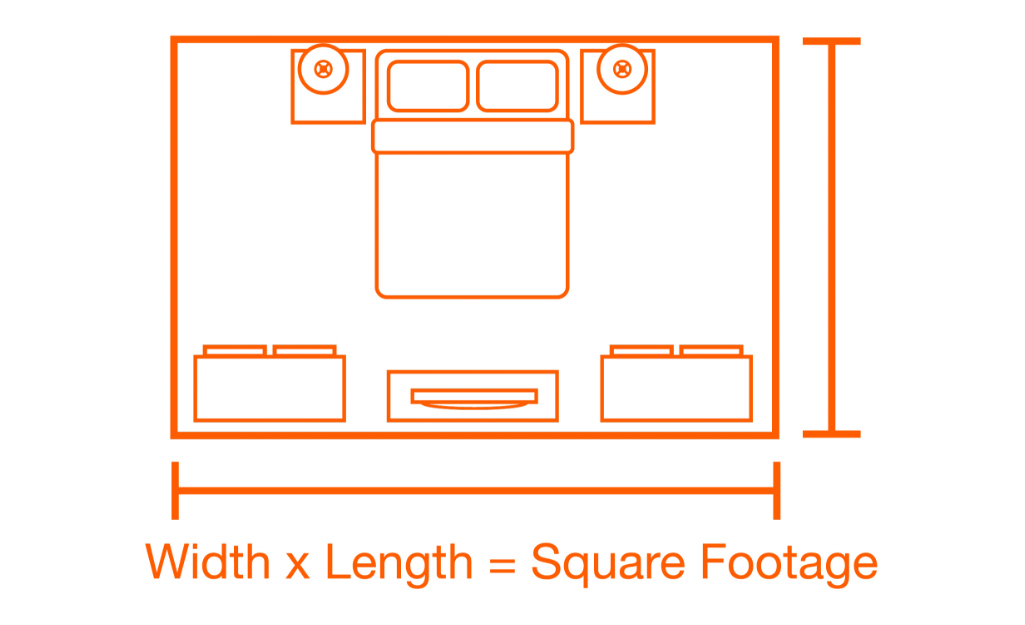
That's it! Grab a measuring tape (a digital one makes life easier, trust me), measure the length of the room in feet, then measure the width. Multiply those two numbers together, and boom! You have your square footage.
For example: If your living room is 12 feet long and 10 feet wide, then 12 x 10 = 120 square feet. Easy peasy.
(Side note: If you're feeling really lazy, there are plenty of online square footage calculators. Just plug in the numbers and let the robots do the work. But where's the fun in that?)

Dealing With Odd Shapes and Alcoves
Okay, so maybe your room isn't a perfect rectangle. Maybe it has an alcove, an L-shape, or some other architectural quirk. Don’t panic! We can handle this.
The trick is to break the room down into smaller, more manageable rectangles. Calculate the square footage of each smaller rectangle, and then add them all together.
Let's say you have a room that's L-shaped. Imagine drawing a line to divide it into two rectangles. Measure the length and width of each rectangle, calculate their individual square footages, and then add those two numbers together.
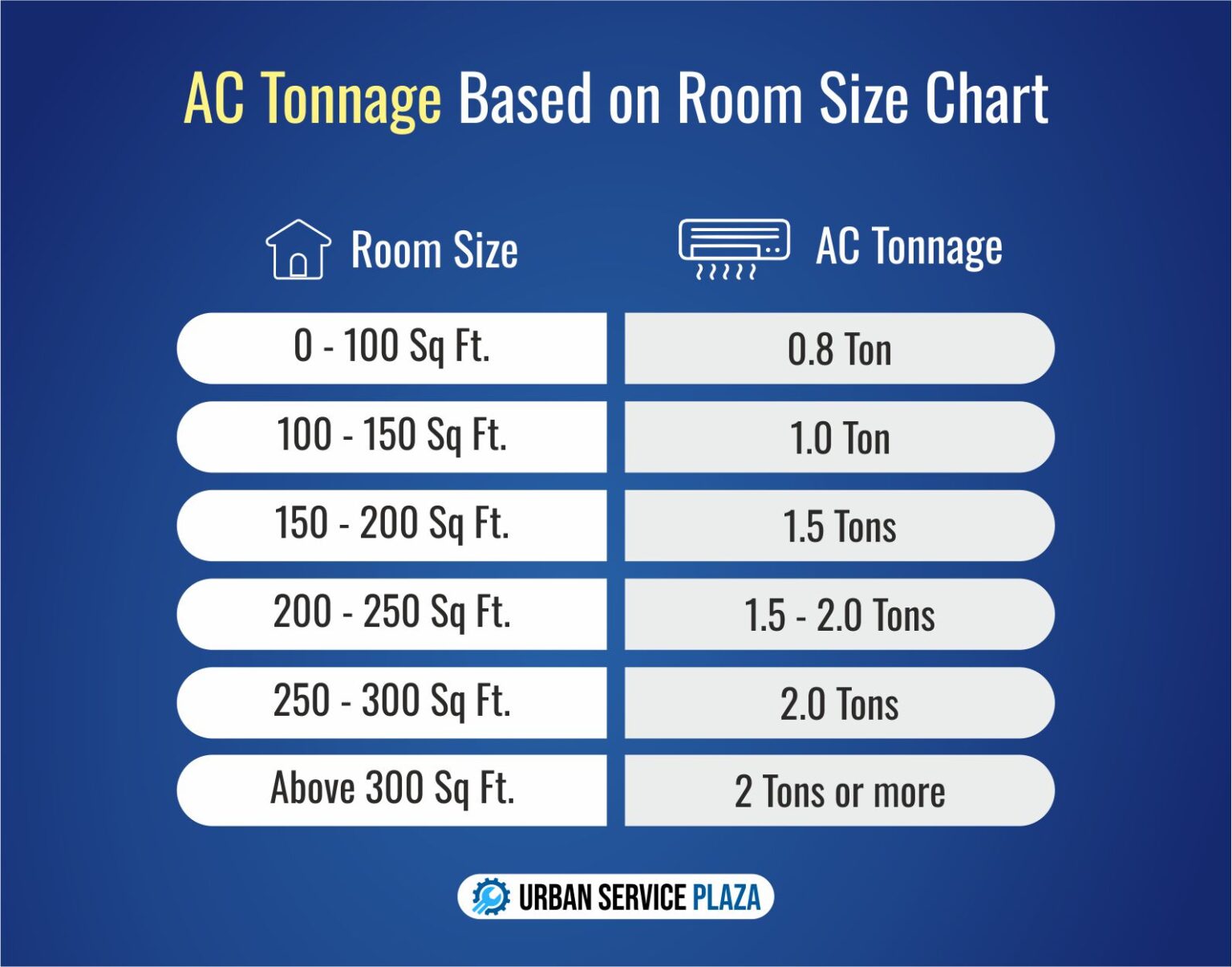
For example, the first rectangle might be 10 feet x 8 feet (80 sq ft), and the second rectangle might be 5 feet x 4 feet (20 sq ft). The total square footage of the room would be 80 + 20 = 100 square feet.
Alcoves are similar – just treat them as separate little rectangles, calculate their square footage, and add it to the main room's square footage.
Don't Forget About Ceiling Height (Sort Of)
Now, while square footage is the main factor, ceiling height can play a role, especially in very tall or very low rooms. Standard BTU charts usually assume a standard ceiling height (around 8 feet). If your ceilings are significantly higher (like in a loft), you might need to bump up the BTU rating slightly. This is where talking to an HVAC professional can be a good idea. (I know, I know, talking to professionals. But sometimes it's unavoidable.)
However, for most average-sized rooms with standard ceilings, the basic square footage calculation will get you pretty darn close.
What's Next? Finding the Right BTU
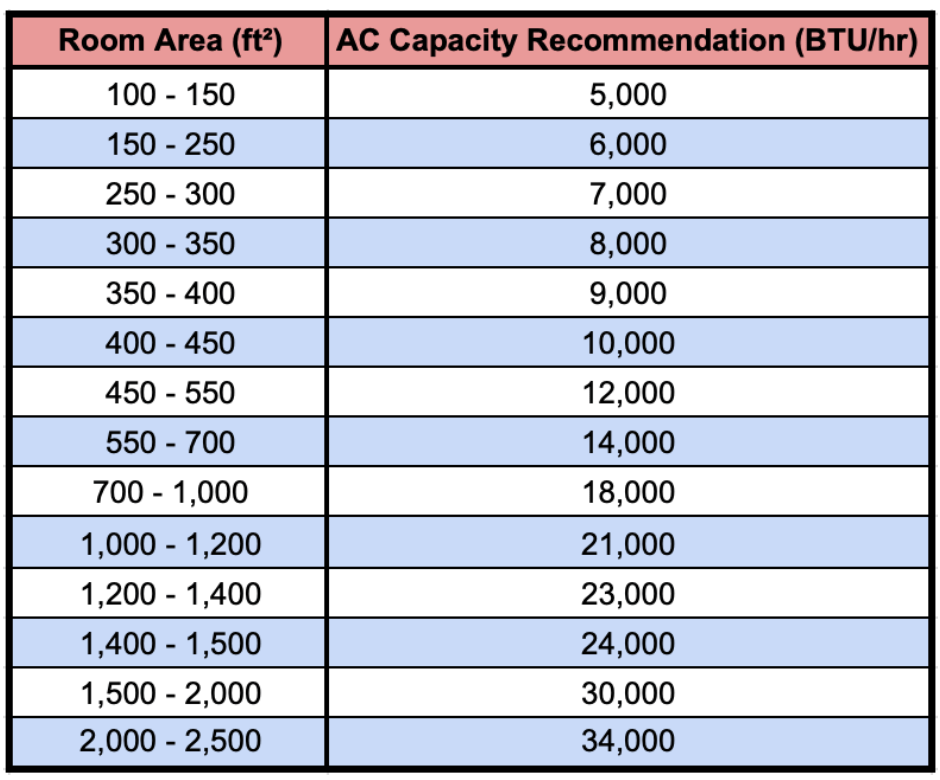
Once you know your room's square footage, you can use a BTU chart (easily found online) to determine the appropriate BTU rating for your AC unit. Keep in mind that these charts are guidelines, and you might need to adjust based on other factors like:
- Sun exposure: Sunny rooms need more BTU.
- Insulation: Poorly insulated rooms need more BTU.
- Number of people: More people generate more heat.
- Electronics: Lots of heat-generating electronics? More BTU.
Calculating square footage isn't rocket science, but it is important. Knowing the square footage of your room is the first step to ensuring you get the right AC unit and finally say goodbye to sweaty summers (and hello to slightly lower energy bills!). Now go forth and measure!