
How To Calculate Power From Voltage And Current
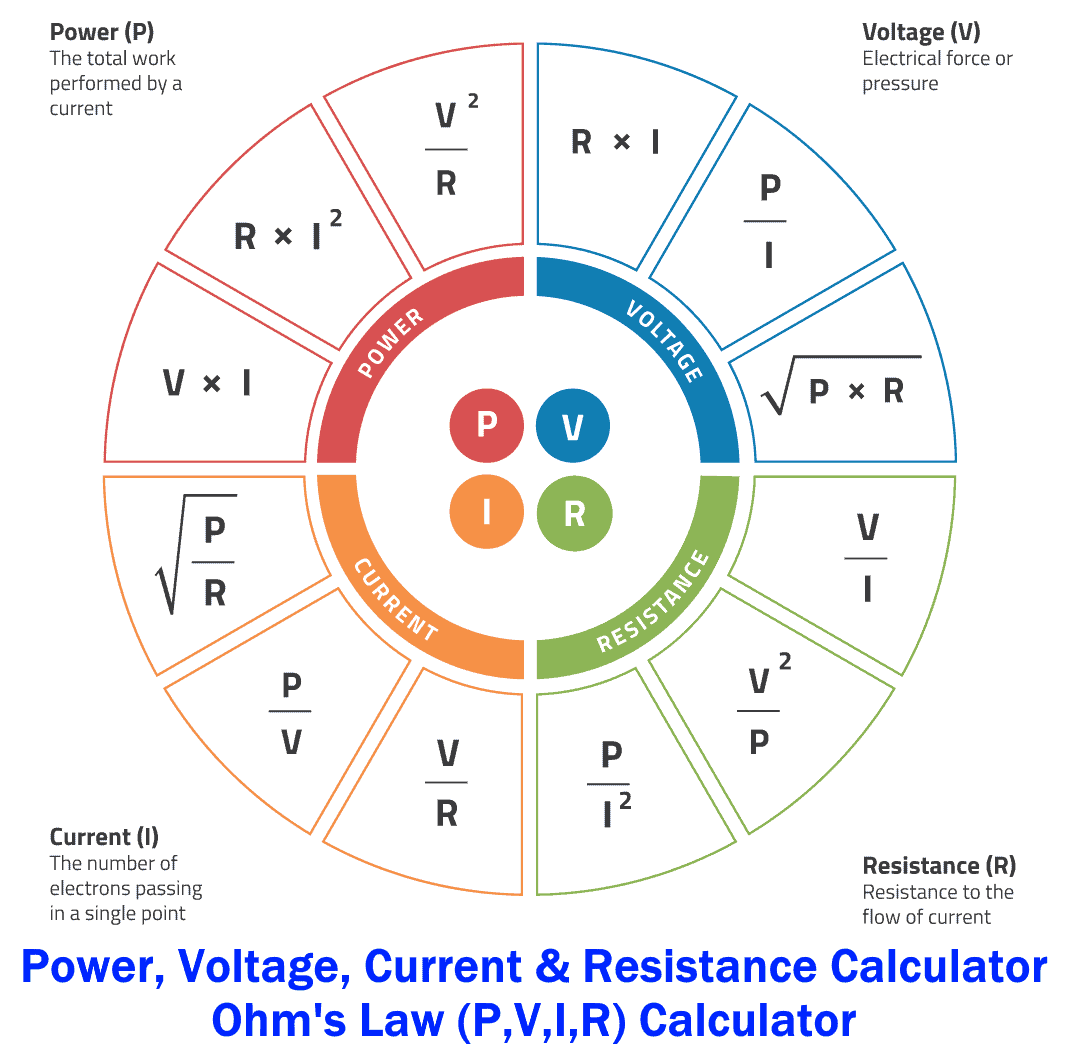
Hey there, sparky friend! Ever feel like you're surrounded by electricity, but don't quite get it? Don't worry, you're not alone! Today, we're going to demystify something super useful: calculating power from voltage and current. And trust me, understanding this can be surprisingly empowering – pun totally intended!
Think of it like this: you know how important understanding horsepower is when talking about cars? Well, power in electricity is kind of the same thing. It tells you how much "oomph" something has. Knowing how to figure it out? That's pure gold.
Voltage, Current, and the Magic Formula
Okay, let's break it down. We need to understand two key players: voltage and current.
Must Read
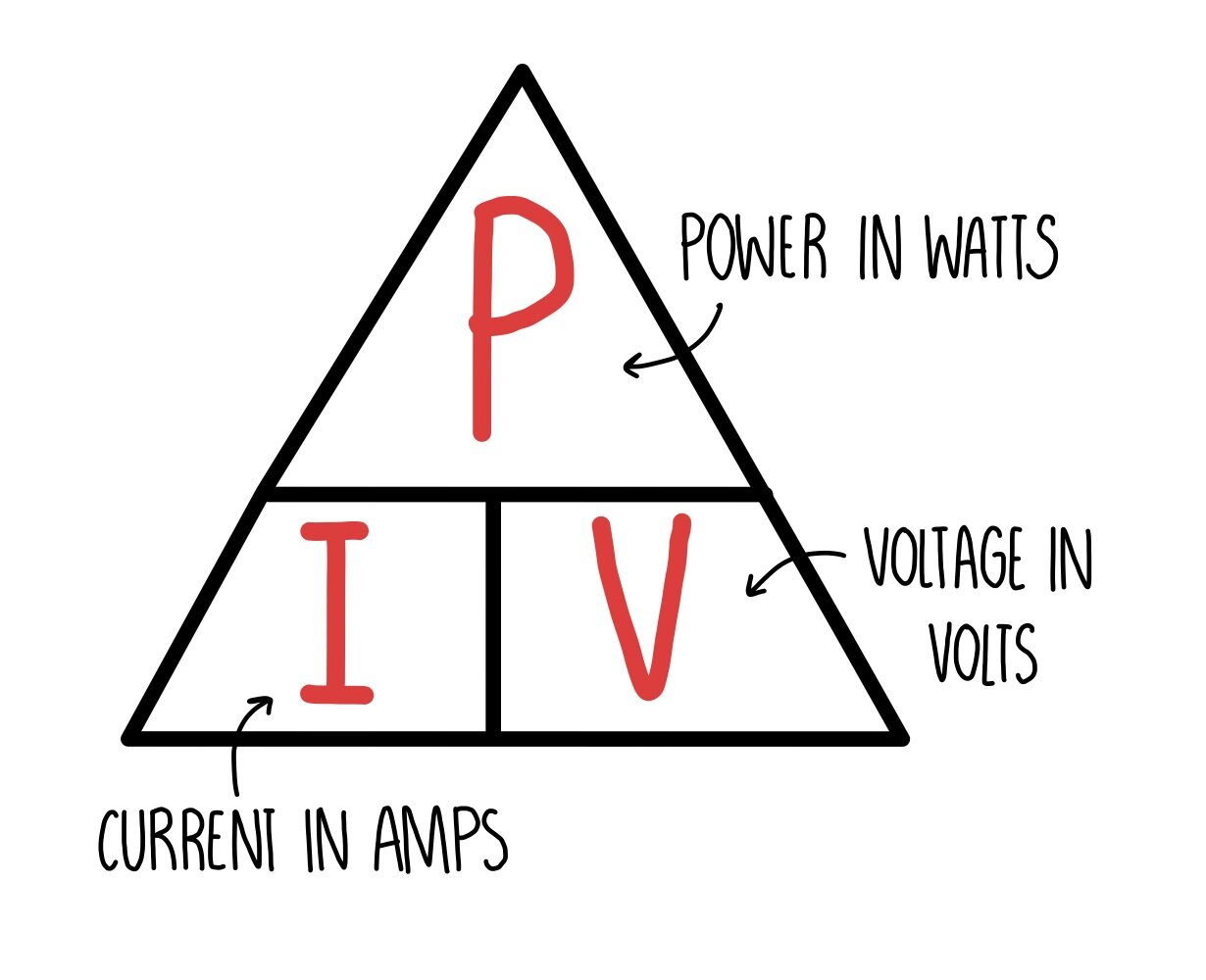
Voltage (measured in volts, of course!) is like the electrical pressure. Imagine water flowing through a pipe. Voltage is like the pressure pushing that water through. The higher the voltage, the more "push" there is.
Current (measured in amps, short for amperes) is the amount of electrical flow. Back to our water analogy, current is like the amount of water actually flowing through the pipe. The more water flowing, the higher the current.
So, how do these two relate to power? Get ready for the big reveal... The formula is incredibly simple:
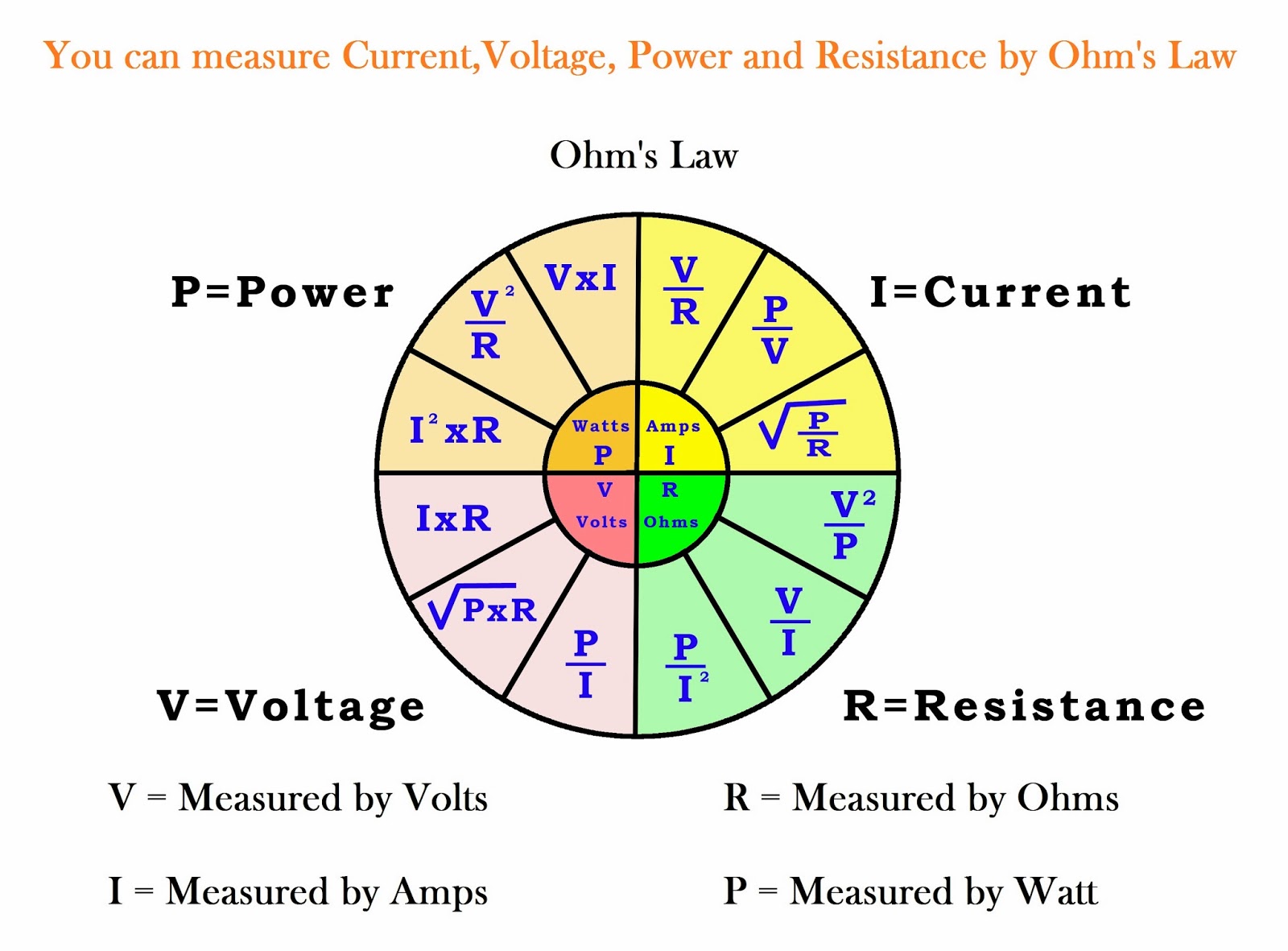
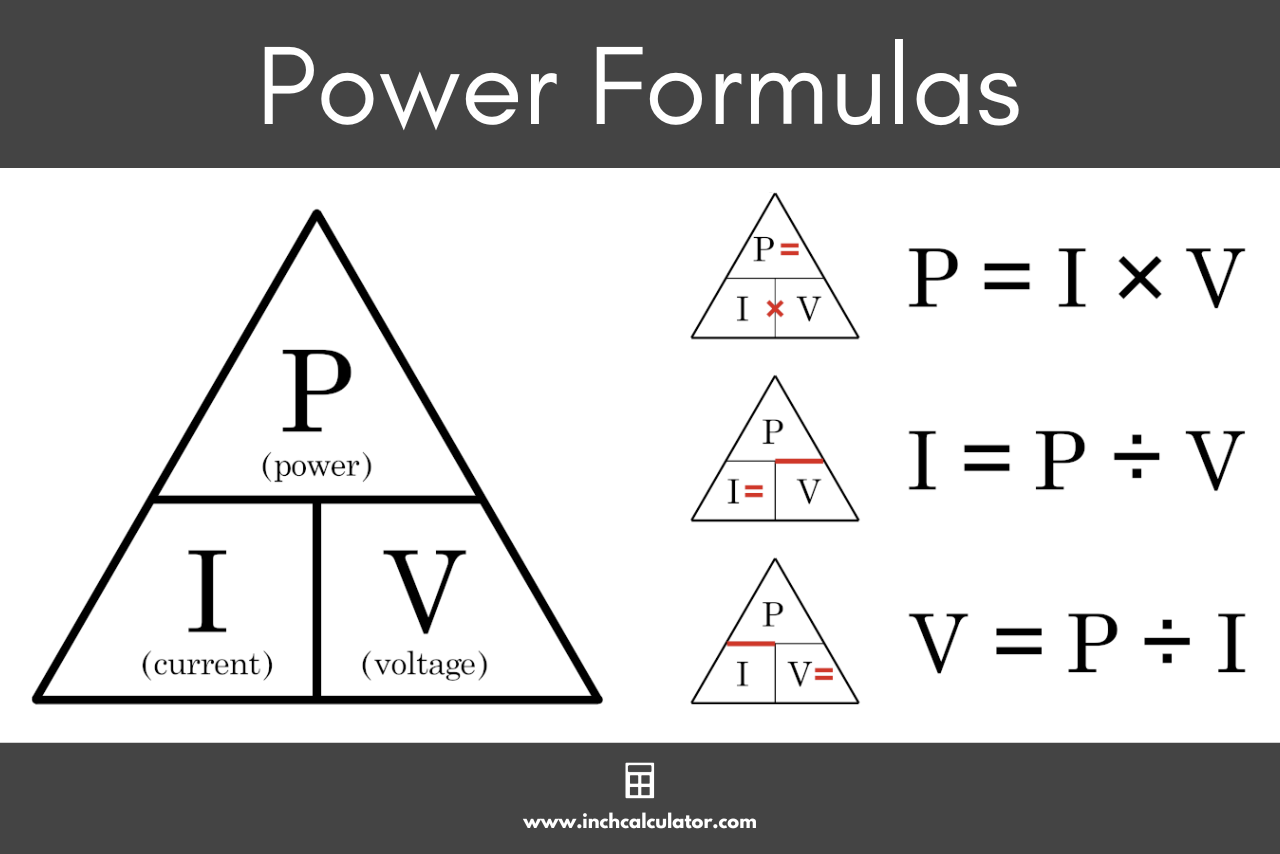
Power (in watts) = Voltage (in volts) x Current (in amps)
That's it! P = V x I. Write it down, tattoo it on your arm (okay, maybe not that), but remember it! This little formula is your key to unlocking a whole new world of electrical understanding.
Putting it into Practice
Let's say you have a lamp that runs on 120 volts (standard in many countries) and draws a current of 0.5 amps. How much power is it using?
Easy peasy! Just plug the numbers into our formula:

Power = 120 volts x 0.5 amps = 60 watts
So, the lamp uses 60 watts of power. See? That wasn't so scary, was it?
What about another example? Suppose you have a gadget that has a power rating of 200 watts, and you know it operates at 10 volts. What is the current drawn? Easy! Just rearrange the formula:
Current = Power / Voltage = 200 watts / 10 volts = 20 Amps
Now you are calculating both power and current like a pro!
Why Bother?
Now you might be thinking, "Okay, that's mildly interesting, but why do I need to know this?"
Well, for starters, it can help you understand your electricity bill. Those kilowatt-hours you're paying for? That's just power (watts) used over time (hours). Knowing how much power your appliances use can help you make smart choices about energy consumption and save money! Who doesn't love saving money?
Also, understanding power calculations is crucial for safety. Overloading circuits is a serious fire hazard. Knowing the power requirements of your devices helps you avoid overloading circuits and keeping your home (and yourself!) safe.
And let's be honest, it's just plain cool! Understanding how the world around you works is always a good thing. You can impress your friends at parties! (Okay, maybe not every party... but definitely at some!).
More Than Just a Formula
There's, of course, more to electricity than just this simple formula. We haven’t touched on AC vs. DC, power factor, and all sorts of other fascinating concepts. But the power formula (P=VI) is a very essential building block.
But think about the power that understanding even this little piece of the electrical puzzle gives you! You can now make informed decisions about your energy usage, ensure the safety of your home, and generally feel more confident navigating the world of electronics.
So, what are you waiting for? Go forth and calculate! Explore the power ratings of your appliances, experiment with different voltage and current combinations, and discover the magic of electricity! You might just surprise yourself with what you can learn. And who knows? Maybe you'll even become the next electrical engineering superstar! You got this!