
How To Calculate Et Tube Size
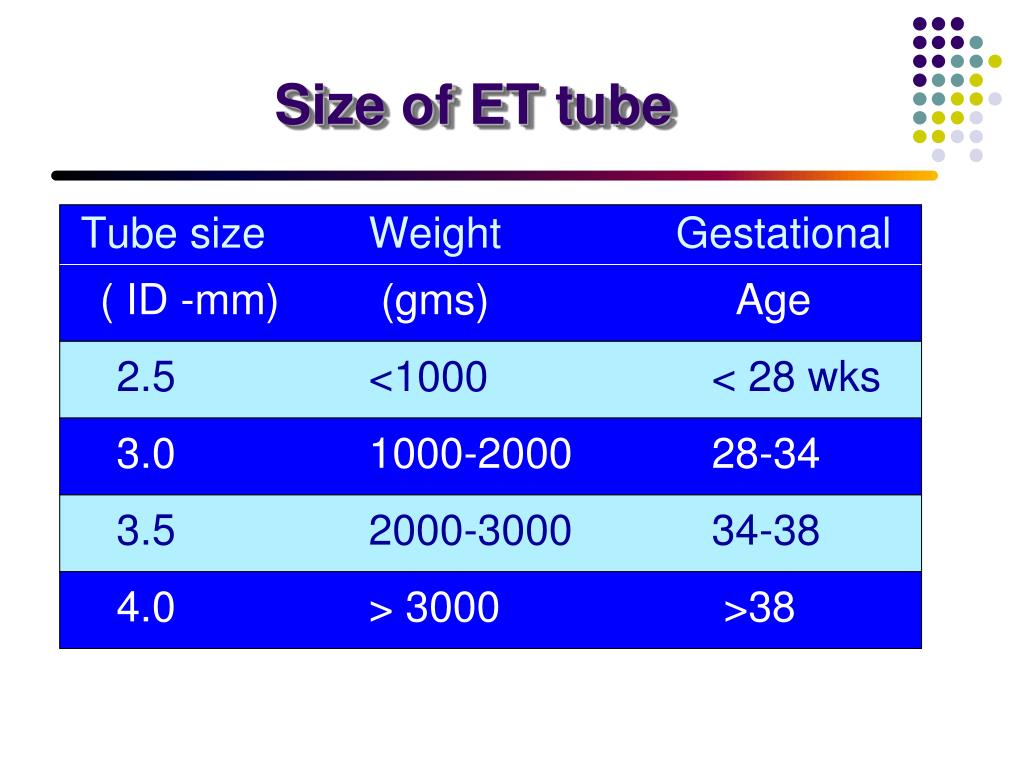
Ah, the mighty ET tube. Sounds serious, right? Like something out of a sci-fi movie where robots need new oil filters. But for those of us who dabble in, shall we say, the more… intimate side of medical equipment, there’s a burning question. A question that keeps folks up at night, staring at the ceiling, wondering: How exactly do you calculate the perfect size for an endotracheal tube?
Now, some folks, the serious types with clipboards and very important pens, will tell you there's a formula. Oh yes, a mathematical marvel, complete with numbers, maybe even a division sign or two. They'll mumble about age, maybe even shoe size (kidding, mostly), and then confidently declare, "A 5.5!" or "Clearly, a 7.0!" And you nod, impressed by their scientific prowess, secretly wondering if they just made it up.
The Myth of the Magic Number
Because let’s be honest, trying to size something as intricate and unique as a human airway with a simple algebraic equation feels a bit like trying to decide your favorite ice cream flavor using calculus. You could, theoretically, analyze sugar content, fat percentage, and the gravitational pull of the moon. Or, you know, you could just taste the chocolate and realize it's delicious.
Must Read
This is where my terribly unpopular, yet utterly sensible, opinion comes into play. While the textbooks will trot out fancy rules and intricate measurements, I suspect the truth, the raw, unvarnished truth, is far more… human. It's less about calculating and more about a certain je ne sais quoi. A vibe. An educated guess, if you will.
"The best ET tube size isn’t found in a dusty old book. It’s found in the wisdom of a seasoned professional, or perhaps, a particularly insightful squirrel."
The Highly Unscientific, Yet Surprisingly Effective Methods
Forget the slide rules and the pocket protectors. Let's talk about the real methods. The ones whispered in hushed tones when the really important people aren't looking. The ones that involve less math and more… well, more intuition.

First up, we have the legendary pinky finger test. Yes, you heard me. The digit attached to your hand. The theory, as brilliantly unscientific as it is, suggests that a person’s trachea (the windpipe, for the uninitiated) is roughly the same diameter as their own little finger. So, you hold up your pinky, squint a bit, and declare, "Looks like a 6.0 to me!" Is it accurate? Who knows! But it certainly feels right, doesn't it? It’s wonderfully tactile, wonderfully immediate.
Then there’s the even more advanced technique: the eyeball test. This one requires years of experience, or perhaps just a very confident shrug. You simply look at the patient. Take in their general… essence. Are they a big person? A small person? Do they exude a certain tube-like aura? You then pick up a tube, hold it up to the light, maybe even hum a little tune, and then, with a flourish, announce, "This one feels good. A 7.5 it is!" It’s less about numbers and more about an almost spiritual connection to the equipment.
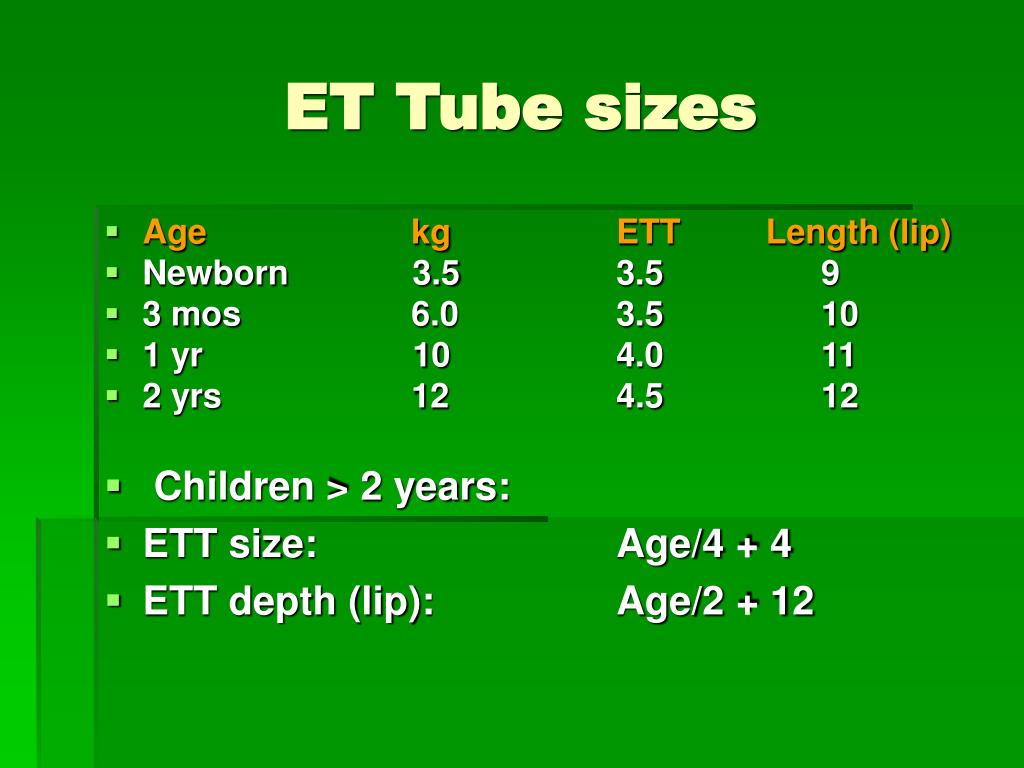
My absolute favorite, however, is the "Goldilocks" method. You start with one that looks too big. "Nope, definitely too big," you say with a theatrical shake of the head. Then you grab one that’s clearly too small. "Goodness gracious, that's far too tiny!" you exclaim, perhaps adding a dramatic gasp. And then, finally, you pick the one in the middle, the one that’s just right. No formulas, no calculations, just a good old-fashioned process of elimination, much like finding the perfect bowl of porridge.
This isn't about disrespecting the hard sciences, mind you. It's about acknowledging that sometimes, in the beautiful chaos of the real world, rigid calculations feel a little… quaint. Like using a compass to navigate your living room. You could, but why? When your gut feeling, or the wisdom of your trusty pinky, is often just as reliable for getting you to the sofa.
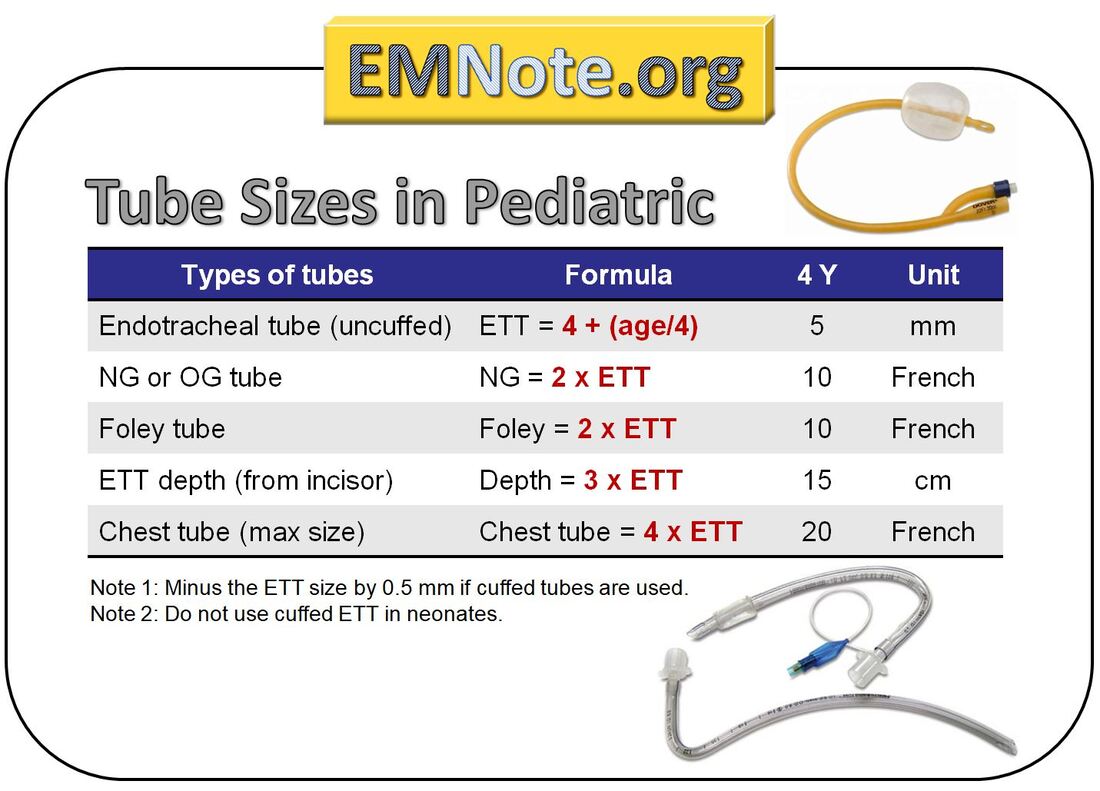
Embrace the Art, Ditch the Math Anxiety
So, the next time someone asks you about calculating ET tube size, don't panic about remembering some arcane formula. Don't sweat the decimals. Just smile knowingly. Perhaps hold up your pinky finger. Give a confident nod. Because while there’s a science to many things, there's also an undeniable art. An art of observation, of intuition, and frankly, of picking the one that simply looks the part.
And if anyone gives you a funny look for using the pinky finger method, just tell them it's an ancient, highly guarded secret, passed down through generations of exceptionally intuitive tube-sizers. Then wink. They'll either be utterly bewildered or profoundly enlightened. Either way, you've made your point. Calculation is one thing, but sometimes, a little bit of magic, or at least a good guess, goes a much longer way.
