How To Bypass Garage Door Safety Sensors

Ever had your garage door stubbornly refuse to close, blinking those frustrating lights as if it’s got a mind of its own? It often feels like those pesky safety sensors are bypassing your every command to get the door down! While the idea of truly "bypassing" garage door safety sensors by permanently disabling them is a
So, why is this topic "fun, useful, or popular"? Well, for starters, there's a huge satisfaction in solving a home mystery yourself! For beginners, understanding these sensors demystifies why your door sometimes acts up, giving you confidence to tackle minor issues without calling a pro. For families, it's about ensuring your home is a safe zone, preventing accidents involving curious kids or pets that might wander under a closing door. These sensors are paramount for their protection. And for hobbyists or DIY enthusiasts, it's another skill to add to your home maintenance arsenal, ensuring your largest moving object (your garage door!) operates flawlessly and safely.
The "bypass" often comes into play when sensors are malfunctioning. Perhaps they’re misaligned, causing the invisible beam to break. Maybe there's a small obstruction like a rogue leaf, a spiderweb, or even just dust on the sensor lens. Sometimes, bright sunlight directly hitting a sensor can trick it into thinking the beam is broken. Each of these scenarios can make you feel like the sensors are needlessly stopping your door. Recognizing these variations helps you understand the problem rather than wanting to disable a critical safety feature.
Must Read
Now, for some simple, practical tips to "bypass" the problem (not the safety!):
- Clean the Lenses: This is step one! Use a soft, dry cloth to gently wipe the lenses on both sensor units. Dust, dirt, or even an insect can block the beam.
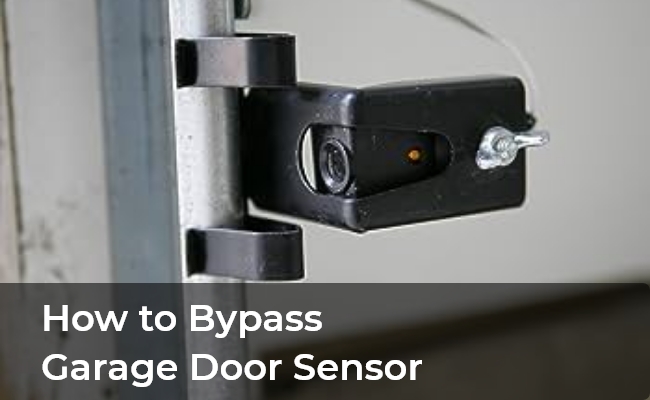
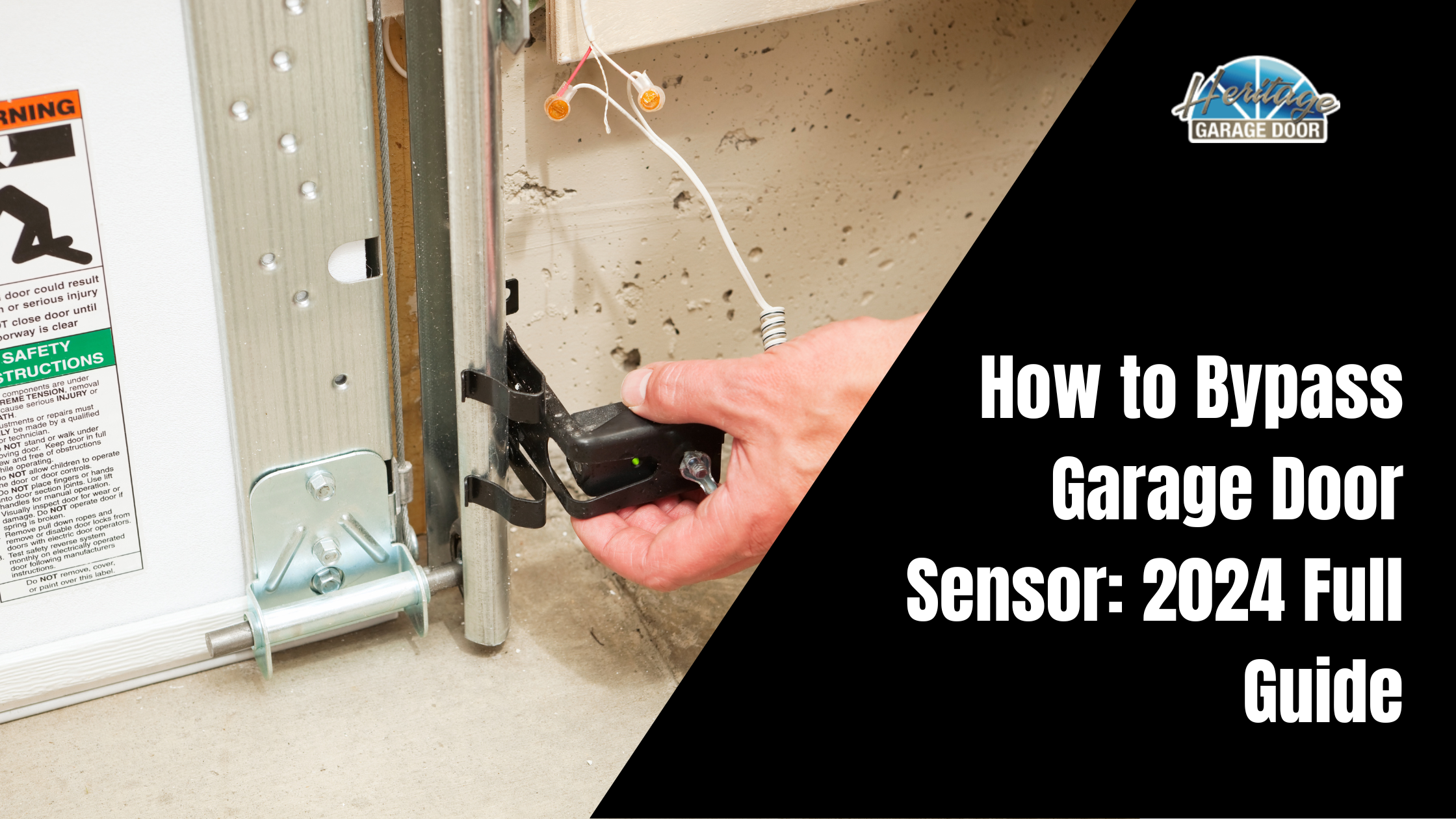
- Check Alignment: The sensors need to be perfectly aligned, pointing directly at each other. Most have an LED light on each unit—one usually stays solid when aligned, the other might blink if there's a problem. Gently nudge them to try and get both lights solid.
- Clear the Path: Look for any physical obstructions between the sensors. Even a small item can break the beam.
- Inspect Wiring: Occasionally, the low-voltage wires connecting the sensors can get damaged or disconnected. Check for any obvious frayed spots or loose connections.
- The Wall Button Override (Use with Extreme Caution!): In an emergency, if your sensors are truly malfunctioning and you absolutely need to close the door, most systems allow you to press and hold the wall-mounted button until the door fully closes. This temporarily overrides the safety sensors for that single cycle. However, you must maintain direct visual contact with the door and its path at all times during this override, ensuring nothing and no one is in the way. This is not a permanent solution and highlights the need to fix your sensors promptly.
Ultimately, becoming familiar with your garage door's safety sensors isn't about finding shortcuts to disable safety; it's about empowering yourself with knowledge. There’s a quiet satisfaction in knowing you can keep your home's systems running smoothly and, most importantly, safely. Enjoy the peace of mind that comes with a well-maintained and fully functional garage door!