
How To Buy Natural Gas Futures
.png)
Hey there! Ever heard someone casually drop the phrase “natural gas futures” at a party? Probably not. But guess what? It’s a topic way more fascinating and quirky than it sounds! Imagine dipping your toes into the wild world of energy markets, all from the comfort of your couch. Sounds a bit intense, right? But stick with me!
We’re talking about natural gas. Not the stuff you use to grill burgers, though it’s related. This is the big kahuna: the stuff that heats homes, powers cities, and keeps the lights on. It’s literally harvested from deep underground. Think about that for a second! Ancient energy, delivered to your doorstep.
So, What ARE Futures, Anyway?
Okay, let’s demystify “futures.” It sounds super sci-fi, doesn’t it? Like something out of a time travel movie. But it’s actually pretty simple. A futures contract is just an agreement to buy or sell something—in our case, natural gas—at a specific price on a specific future date. That’s it! It’s like making a fancy reservation. You lock in a price today for something you’ll get (or give) later.
Must Read
Why would anyone do this? Well, companies that use a lot of natural gas might buy futures to lock in a price. They want to avoid nasty surprises if prices suddenly skyrocket. It’s smart business. But for us regular folks? It’s often about speculation. It’s like making a really educated (or sometimes not-so-educated) guess about what natural gas will be worth next month, or next year!
Why is This FUN?
Because it’s basically betting on the weather! Seriously. Natural gas prices are hugely affected by Mother Nature. Is a polar vortex headed our way? Prices might zoom up because everyone will crank their heat. Is it going to be a mild winter? Prices might dip. You’re essentially playing a grand, global game of predicting the forecast, but with real-world energy implications. It’s a wild ride!

And let’s be honest, there’s something inherently cool about thinking, "I wonder what natural gas will cost in March?" It gives you a whole new appreciation for your utility bill, doesn't it? Suddenly, you're not just consuming energy; you're mentally tracking its global pulse.
How Do You Even Start? (The Super Simplified Version)
First off, this isn't your grandma's stock market. Buying futures usually requires a specialized brokerage account. Not just any old app will do. You’re dealing with sophisticated financial instruments here. But the idea is what’s fun. You'd open an account, deposit some funds, and then you’d look at contracts for specific future months. Say, you want to bet on February gas. You’d look up the February contract.

Natural gas futures are typically traded on exchanges like the New York Mercantile Exchange (NYMEX). They’re standardized contracts. Each one represents a whopping 10,000 MMBtu (that’s a million British thermal units – sounds like a robot, right?). That’s a lot of gas! So, you’re not just buying a little bit; you’re buying a big chunk of the future’s energy supply.
Quirky Fact Time!
Most natural gas futures contracts refer to a place called the Henry Hub. Sounds like a secret agent’s hideout, right? But it’s actually just a critical pipeline junction in Erath, Louisiana. It’s the official pricing point for natural gas in North America. Imagine, a tiny spot in Louisiana dictates so much of our energy future! It’s kinda bizarre and wonderful at the same time.
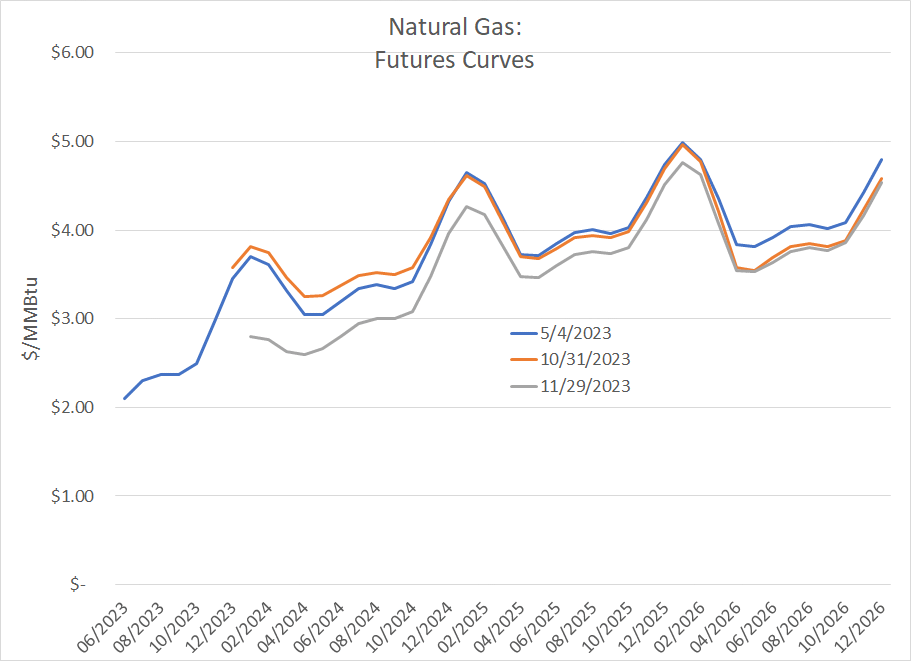
And then there’s the storage! We store natural gas in massive underground reservoirs – often depleted oil or gas fields, or even salt caverns. Think about it: gargantuan caves filled with invisible, highly flammable energy. The logistics alone are mind-bogglingly cool. We're literally keeping energy reserves tucked away beneath our feet!
Back in the day, before natural gas was widely used, it was often considered a waste product when drilling for oil. They’d just burn it off at the wellhead – a practice called "flaring." Imagine all that energy just going up in smoke! Thankfully, we've gotten a lot smarter about harnessing this incredible resource.

Should YOU Buy Natural Gas Futures?
Hold your horses! For most casual observers, the answer is probably no, unless you're incredibly well-researched and understand the high risks involved. Prices can swing wildly! You can lose money, sometimes a lot. This isn't financial advice; it's just a peek into a really cool, complex corner of the financial world.
But isn't it fascinating to know that this world exists? That people are actively predicting future energy demands, betting on winter storms, and trading contracts tied to a pipeline junction in Louisiana? It adds a whole new layer of intrigue to the everyday act of turning on your lights or heating your home.
So next time you hear a weather forecast, don't just think about your outfit. Think about the hidden world of natural gas futures. It’s a fun, quirky, and surprisingly engaging topic, even if you’re just admiring it from afar. Who knew invisible gas could be so captivating?