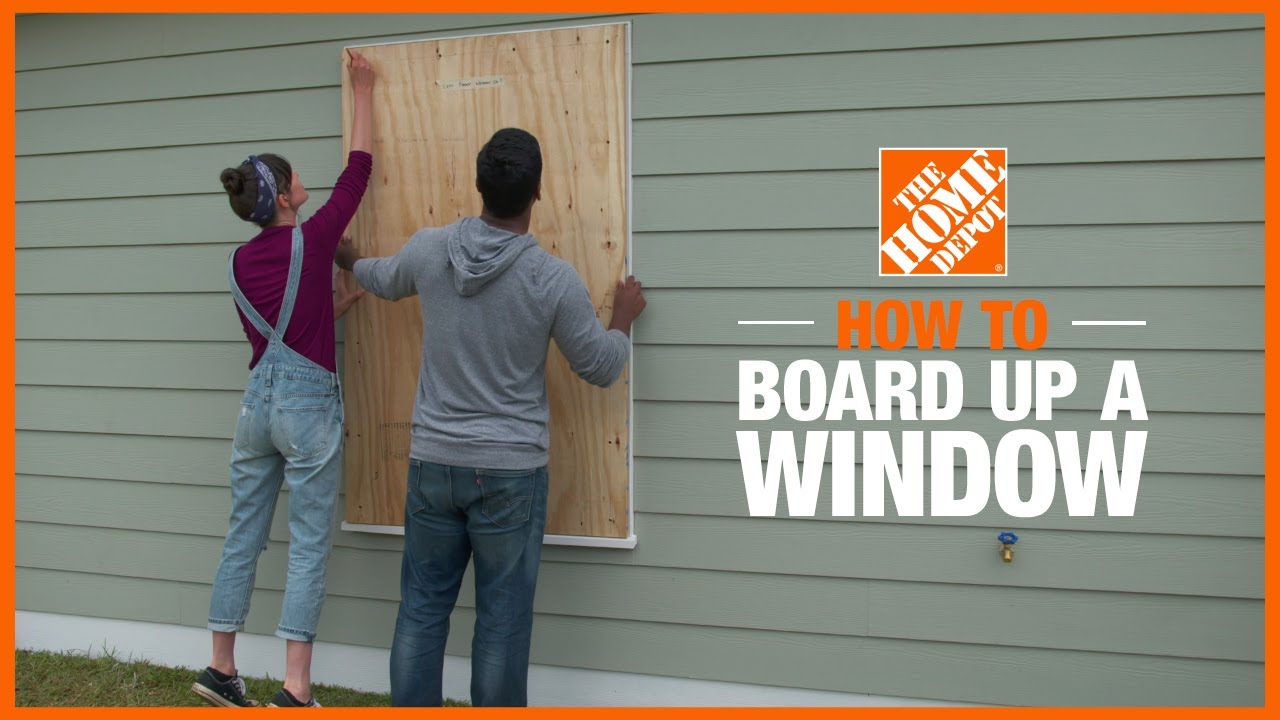
How To Attach Plywood To Windows For Hurricane

Okay, so picture this: Last year, Hurricane Brenda was barreling towards us like a freight train fueled by bad news. I was scrambling, sweating, and generally channeling my inner disaster movie protagonist. I grabbed a roll of duct tape (because, naturally, that fixes everything, right?), and stared at my windows, thinking, "There has to be a better way than just hoping for the best." That’s when I realized I needed a real plan for protecting my windows. And guess what? I learned a thing or two… or five. So, let's talk plywood.
Why Bother With Plywood Anyway?
Let's be honest, boarding up windows feels a bit... medieval. But trust me, flying debris is no joke. Think of it this way: a rogue piece of siding or a wayward tree branch can turn your window into a shattered mess faster than you can say "insurance deductible." Plywood offers a sturdy shield against these projectiles, minimizing damage to your home’s interior and preventing wind and rain from turning your living room into an indoor swimming pool. And avoiding that is definitely worth a little DIY, right?
Gathering Your Supplies: The Essentials
Alright, before you start channeling your inner carpenter, you’ll need some supplies. It’s like prepping for a really intense arts and crafts project, only with higher stakes. Here’s your checklist:
Must Read
- Plywood: This is kind of important. Aim for at least 5/8-inch thick, exterior-grade plywood. Don't skimp on this. Anything thinner is basically just decorative cardboard in hurricane terms.
- Measuring Tape: Unless you’re a human measuring stick (which, kudos to you if you are!), you’ll need this to get accurate measurements of your windows.
- Saw: For cutting the plywood to size. A circular saw is fastest, but a handsaw will work in a pinch (prepare for a serious arm workout!).
- Drill: With drill bits suited for wood and masonry (if you’re attaching directly to brick or concrete).
- Screws or Bolts: Get exterior-grade screws or bolts long enough to securely attach the plywood to your window frames. Consider using lag bolts for extra holding power.
- Washers: These prevent the screw or bolt heads from sinking into the plywood. Think of them as tiny, metal protectors.
- Pencil or Marker: For marking your measurements on the plywood. Don't use a crayon, unless you want to add a colorful, but ultimately useless, touch to your hurricane prep.
- Safety Gear: Eye protection, gloves, and maybe even a dust mask. Safety first, kids! We don't want any unplanned trips to the emergency room.
Measuring and Cutting: Getting Down to Business
Accuracy is key here. Measure each window opening carefully. Add a few inches (2-4) to each side to ensure the plywood overlaps the window frame. This overlap provides extra protection and prevents the plywood from being ripped away by strong winds. Cut the plywood according to your measurements. If you’re not comfortable using a saw, many home improvement stores will cut the plywood for you for a small fee. (Seriously, consider this option. Trust me.)
Attachment Methods: Screw It, Let’s Do This!
There are a few ways to attach plywood to your windows, depending on your window frames and personal preferences. Here are two common methods:

- Directly to the Window Frame: This is the most common method. Drill pilot holes through the plywood and into the window frame. Use screws to secure the plywood to the frame. Make sure the screws are long enough to penetrate deeply into the frame for a strong hold. Important note: If you have vinyl window frames, be extra careful not to overtighten the screws, as this can crack the vinyl.
- Using Mounting Hardware: You can purchase special hurricane window clips or anchors that attach to the wall around the window. These clips allow you to easily attach and remove the plywood without having to drill directly into the window frame. This is a good option if you want a more reusable and less intrusive solution.
Important Considerations: A Few Extra Tips
Before you call it a day and crack open a well-deserved beverage, consider these extra tips:
- Label Your Plywood: Write the window number or location on each piece of plywood so you know exactly which piece goes where when the next storm threatens. This saves you from playing a frustrating game of plywood Tetris in the heat of the moment.
- Pre-Drill Holes: Pre-drilling the holes in the plywood and window frames (or walls) before the storm hits makes installation much faster and easier when you’re under pressure.
- Practice Makes Perfect: Do a dry run before hurricane season to make sure everything fits properly and that you know what you’re doing. It's way better to figure out you're missing a key bolt on a sunny afternoon than when the wind is howling.
- Storage: Store your plywood in a dry place when it’s not in use. This will prevent it from warping or rotting.
So, there you have it! Protecting your windows with plywood isn’t rocket science, but it does require a bit of planning and effort. But hey, a little elbow grease is a small price to pay for peace of mind during a hurricane. Stay safe out there!