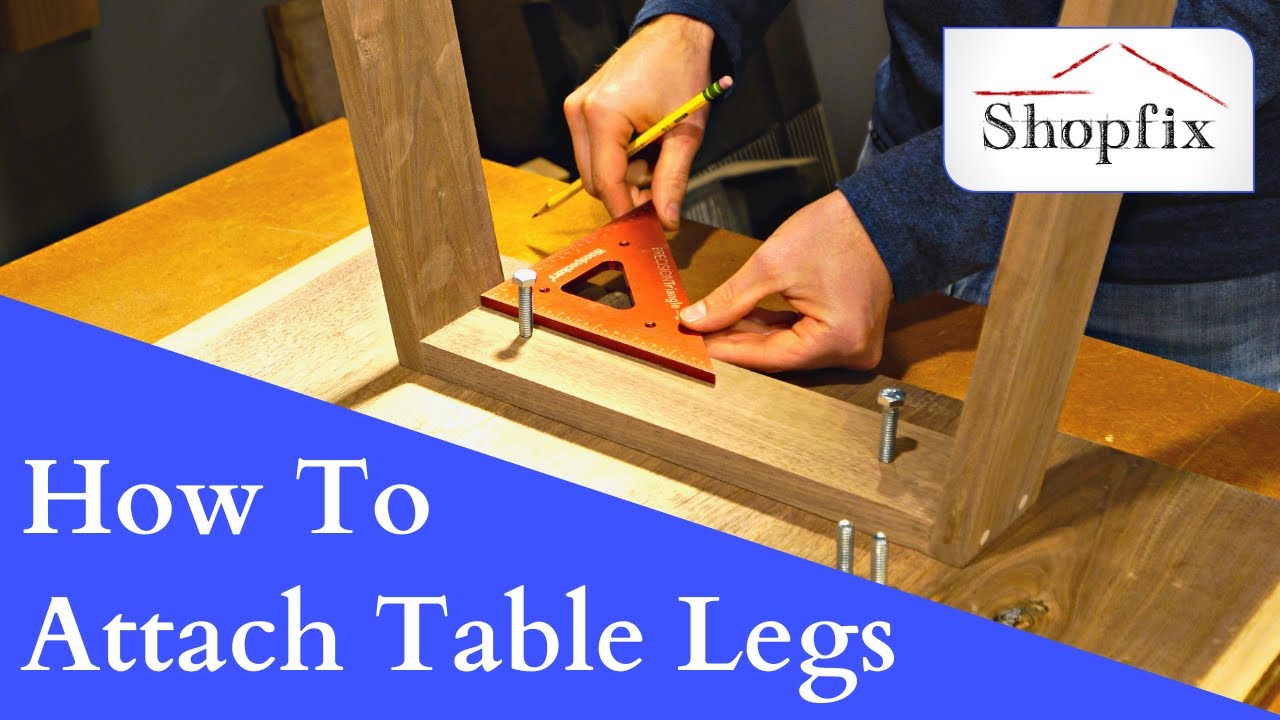
How To Attach Legs To Table Top
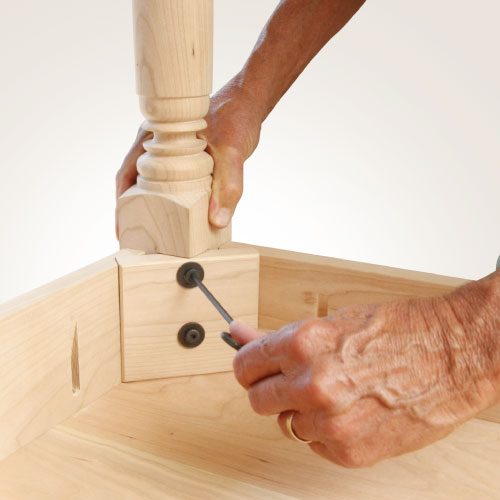
Have you ever stumbled upon a beautiful piece of wood, maybe a forgotten door panel, a cool vintage cutting board, or even a sleek stone slab, and thought, "This would make an amazing table!"? The leap from a flat surface to a functional, beautiful piece of furniture often feels like a magic trick, but it's really just a fascinating bit of practical know-how: how to attach legs to a tabletop. It’s not just for expert woodworkers; it’s a skill that opens up a world of creative possibilities for anyone curious enough to try.
The core purpose of attaching legs, of course, is to elevate a surface and give it stability, transforming it into something useful like a desk, a dining table, a coffee table, or even a simple plant stand. The benefits are immense. First, there's the joy of customization. Instead of settling for mass-produced furniture, you can design something that perfectly fits your space, style, and needs. Want a tall bar table? A low-slung meditation table? You decide! It's also incredibly cost-effective. Often, a beautiful tabletop can be found affordably, and a set of legs might be all you need to create a stunning piece at a fraction of store prices. Plus, it’s a fantastic way to practice sustainability, giving new life to reclaimed materials and reducing waste.
This skill finds its way into all sorts of contexts. In daily life, imagine building a unique side table from a slice of a tree trunk, or repurposing an old door into a grand dining table. Many DIY enthusiasts create bespoke desks that fit awkward nooks or design tables with specific storage solutions integrated. For parents, it could be a fun project with older kids, building a sturdy craft table together. In an educational setting, understanding table construction can be a fascinating introduction to basic engineering principles. Students in woodworking or design classes might experiment with different leg angles and attachment methods to learn about load distribution and stability. Even in art classes, the act of attaching legs can be part of creating functional sculptures or display pedestals.
Must Read
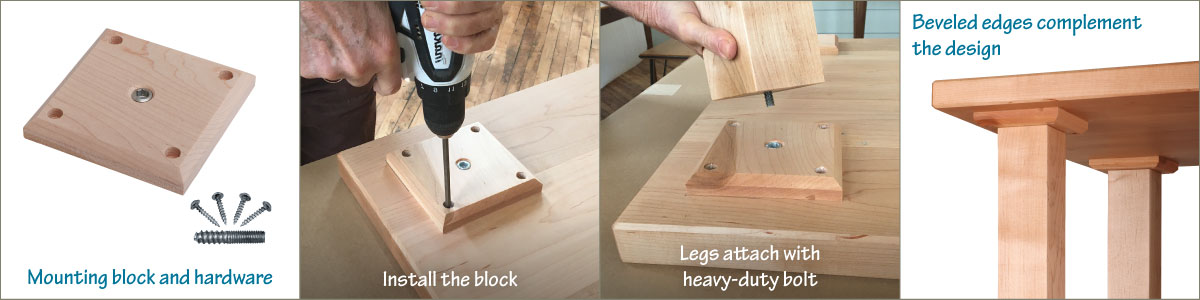
Ready to explore this surprisingly simple yet deeply satisfying skill? Start small! A great first project could be a simple plant stand or a small bedside table. You can find ready-made legs in various styles – from classic tapered wood to industrial hairpin legs – that often come with simple mounting plates. Look for hardware kits designed for this purpose, which usually include screws and straightforward instructions. Always remember to measure twice and cut (or drill) once! Ensure your screws are the correct length for your tabletop's thickness to avoid drilling right through. Online tutorials (especially videos!) are your best friend here, offering visual guides for different leg types and tabletop materials. Don't be afraid to experiment with different finishes for your tabletop and legs to truly make it your own. It's a journey into creativity, functionality, and the immense satisfaction of building something with your own hands.