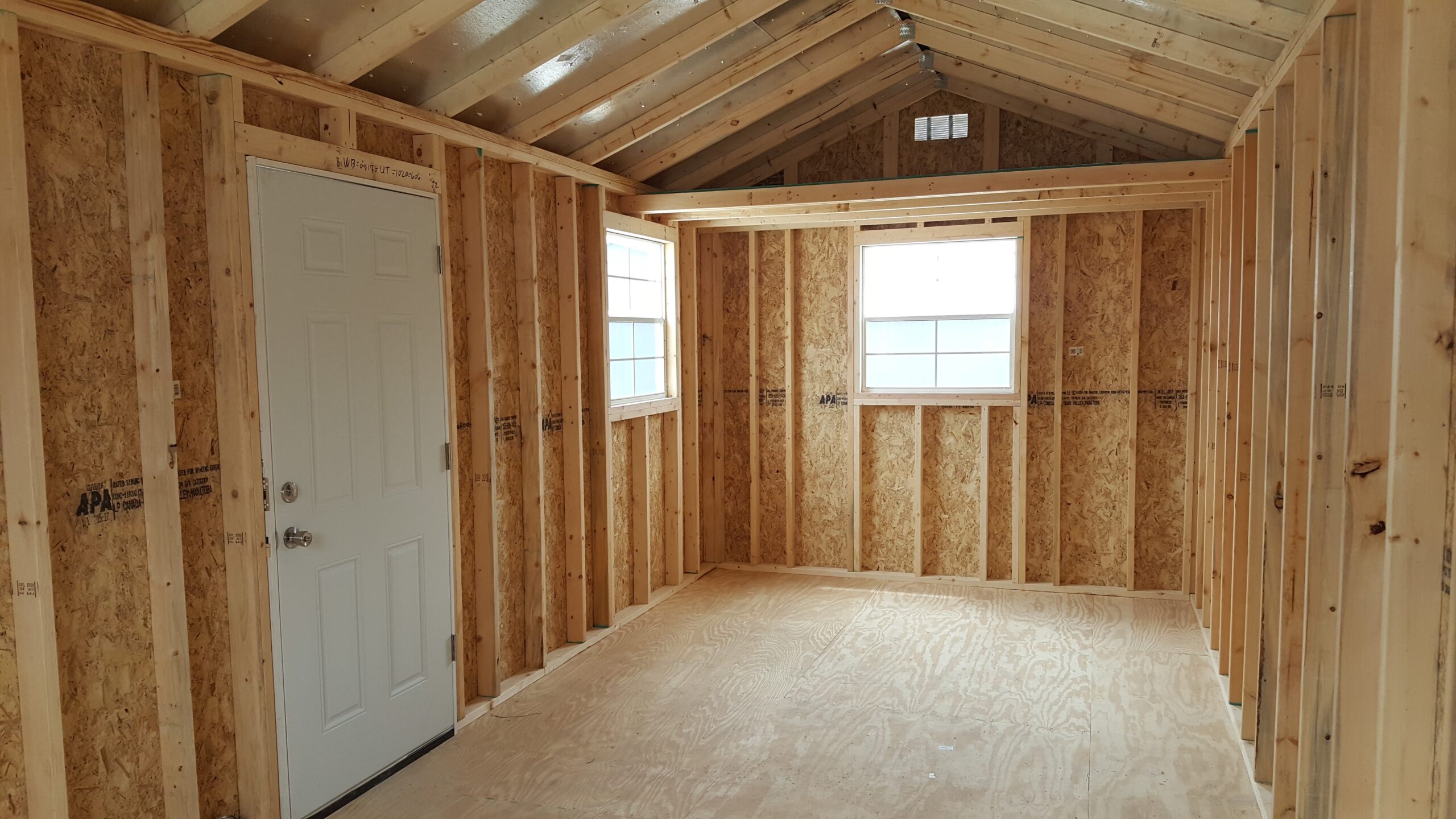
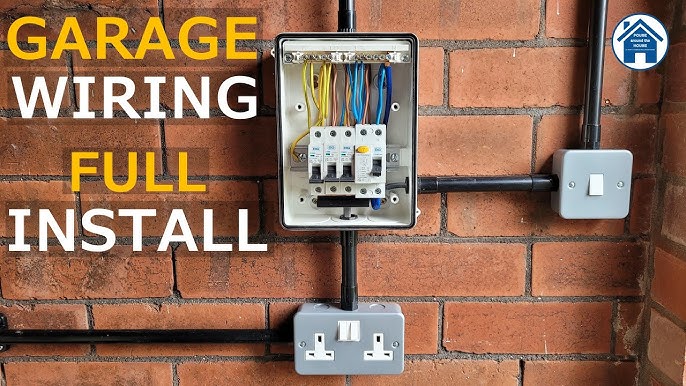
How To Add Electricity To A Shed
Ever found yourself rummaging through a dark, dusty shed, headlamp precariously balanced, muttering curses as you trip over a rogue rake? Or perhaps you’ve dreamed of a workshop where power tools spring to life without a tangled extension cord stretching across the yard like an angry garden hose? If so, you’re not alone! The simple act of adding electricity to a shed is a magical transformation, turning a humble outdoor box into a beacon of utility and comfort.
Think about it: your shed is more than just a storage unit; it's a potential haven. With electricity, it becomes a space for dreams to take root and projects to flourish. The most obvious benefit? Lighting! No more relying on sunlight or flimsy battery-powered lanterns. Suddenly, finding that elusive bolt or organizing your tools becomes a brightly lit, frustration-free experience. But the benefits hardly stop there. Imagine powering up your favorite tunes while you tinker, charging your lawnmower battery right where it lives, or even installing a small heater for those chilly winter projects. Your shed transforms from a utilitarian afterthought into an extension of your home's capabilities.
Common applications are as varied as the people who own sheds. For the craftsperson, it’s a dedicated workshop for woodworking, pottery, or intricate DIY projects, where saws hum and glue guns stay toasty. Gardeners rejoice with power for grow lights, irrigation pumps, or charging electric trimmers. Beyond work, sheds are becoming popular as "man caves" or "she sheds" – complete with mini-fridges, TVs, and Wi-Fi extenders for a remote office or a quiet reading nook. It’s about creating a space where you can pursue passions, escape the daily grind, or simply get things done with unprecedented convenience.
Must Read
So, how do you make the most of your newfound electrical freedom? Firstly, plan, plan, plan! Before a single wire is run, think about what you truly need. Will it be a heavy-duty workshop requiring 240V for large machinery, or just a few outlets and lights for general storage? This dictates the complexity and cost. Secondly, prioritize safety. While the idea of DIYing seems appealing, electricity is not to be trifled with. Always consult or hire a certified electrician. They understand local codes and can ensure your installation is secure and up to standard, preventing dangerous mishaps. Third, consider your lighting strategy: ambient lighting for general illumination, and task lighting over workbenches or specific areas where precision is key. Fourth, ensure you have plenty of GFCI (Ground Fault Circuit Interrupter) outlets, especially in a shed environment where moisture can be a factor. Finally, don't be afraid to future-proof! Add a few more outlets than you think you'll need. You'll be surprised how quickly you find new uses for your suddenly electrified haven, making every moment spent in it more effective and enjoyable.