How Thick Is Car Sheet Metal
Ever found yourself leaning against your car, perhaps admiring its lines, or maybe just waiting for someone, and wondered about the material under your fingertips? We talk a lot about engines, horsepower, and infotainment systems, but what about the very skin of the vehicle – the sheet metal? It's a surprisingly fascinating rabbit hole to tumble down, revealing a lot about safety, engineering, and even the economics of car manufacturing. Let's peel back the layers and get curious about how thick car sheet metal actually is.
At first glance, it might seem like a trivial detail. But the thickness, and more importantly, the type of metal used, plays a crucial role in almost every aspect of your car. Its primary purpose, of course, is to provide the car’s structure and form, giving it that familiar silhouette. But beyond aesthetics, it offers vital protection: shielding you from the elements, reducing road noise, and most importantly, acting as the first line of defense in the event of a collision. The benefits are clear: a well-engineered metal body contributes directly to occupant safety, the car’s overall durability against dents and corrosion, and even its fuel efficiency. Lighter, stronger metals mean less weight to haul around, which translates to better gas mileage.
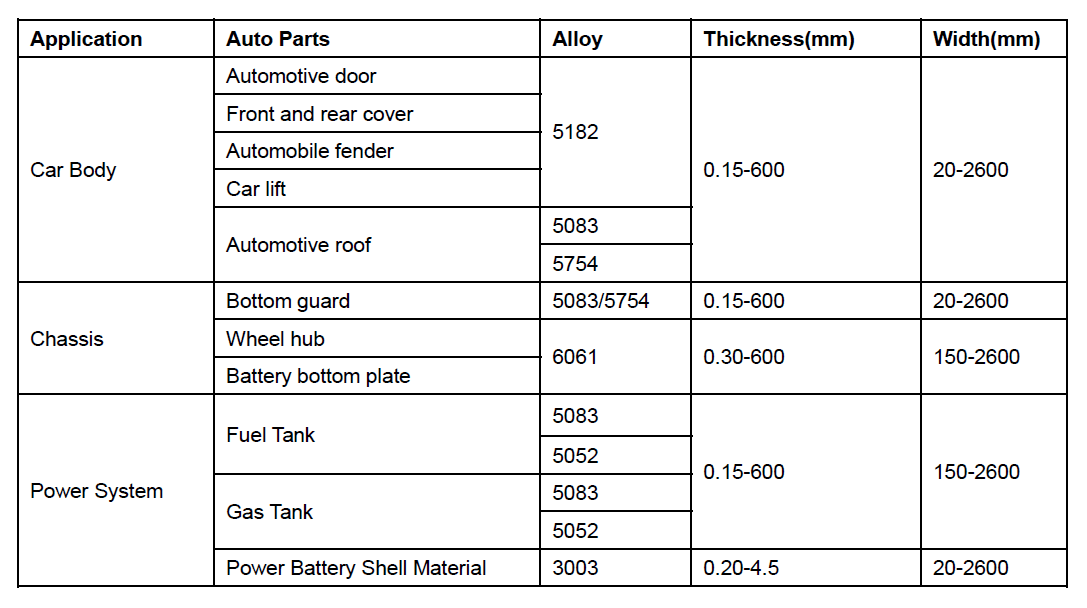
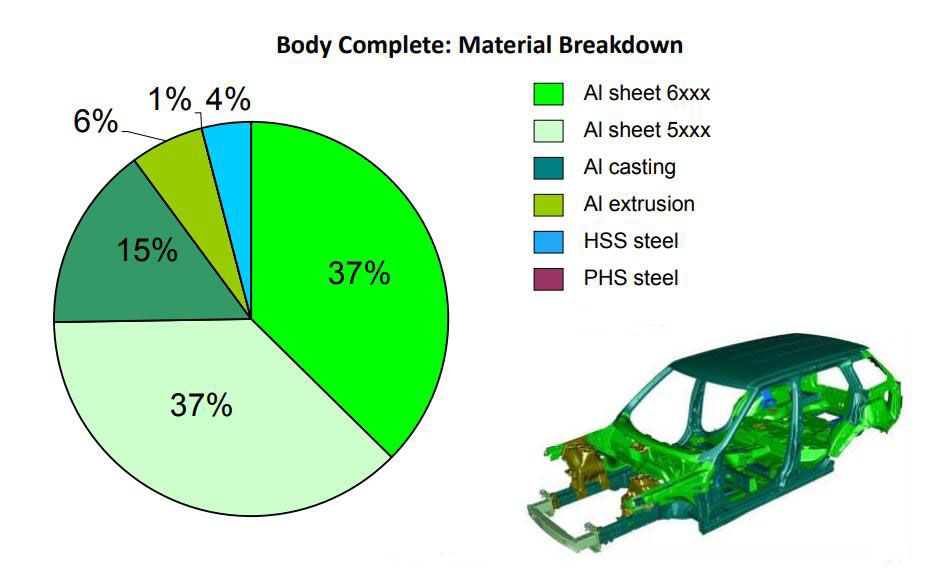
So, what are we talking about in terms of actual dimensions? Prepare to be a little surprised: the outer body panels of a typical modern car – think doors, fenders, and the hood – are often incredibly thin, ranging from about 0.6 millimeters to 1.5 millimeters. To put that into perspective, that’s roughly the thickness of a few credit cards stacked together! However, it's not a one-size-fits-all situation. Different parts of the car use different thicknesses and types of steel. Structural components, like the frame, pillars (the supports around the windows), and crucial crumple zones, employ much thicker gauges and increasingly, advanced high-strength steels (AHSS) and ultra-high-strength steels (UHSS). These modern materials allow engineers to use thinner sheets that are still incredibly strong, offering superior impact absorption and rigidity without adding excessive weight.
Must Read
Understanding car sheet metal thickness isn't just for engineers. In daily life, it can inform your perspective when you consider car safety ratings or even when you simply tap on a car panel and listen to the sound. In an educational context, it's a fantastic real-world example of material science, where concepts like strength-to-weight ratio, material fatigue, and manufacturing processes (like stamping and welding) come to life. It highlights the complex trade-offs engineers constantly make between cost, weight, safety, and manufacturing feasibility.
Want to explore this fascinating topic yourself? You don't need a lab! A simple, gentle tap test on different parts of your car (and perhaps a friend's car of a different make or age) can reveal subtle differences in how the metal resonates. Pay attention to how a door sounds versus a fender, or compare the hood to a thicker A-pillar. For a more visual exploration, try looking up videos of car manufacturing or body shop repairs online; seeing bare metal panels being formed and welded can be incredibly insightful. If you ever have the chance to visit a body shop, ask a technician about the different types of steel they encounter – they often have fascinating insights into how various manufacturers build their cars. It’s a simple curiosity, but understanding the skin of your car makes you appreciate the incredible engineering beneath the surface just that little bit more.