
How Strong Can A Hurricane Get
So, you ever just sit there, coffee in hand, maybe scrolling through some wild weather pics, and think, "Seriously, how much worse can this get?" Especially when it comes to hurricanes. Like, we hear "Category 5" and our eyes kinda widen, right? But what does that even mean? And is there, like, a secret Category 6 out there that meteorologists are too scared to tell us about?
Spoiler alert: No secret Category 6 (yet!). But the idea of a hurricane's absolute power is pretty mind-boggling. It’s not just wind, either. Oh no, my friend. It’s a whole package of pure, unadulterated nature flexing its muscles.
The "Categories": What's the Big Deal?
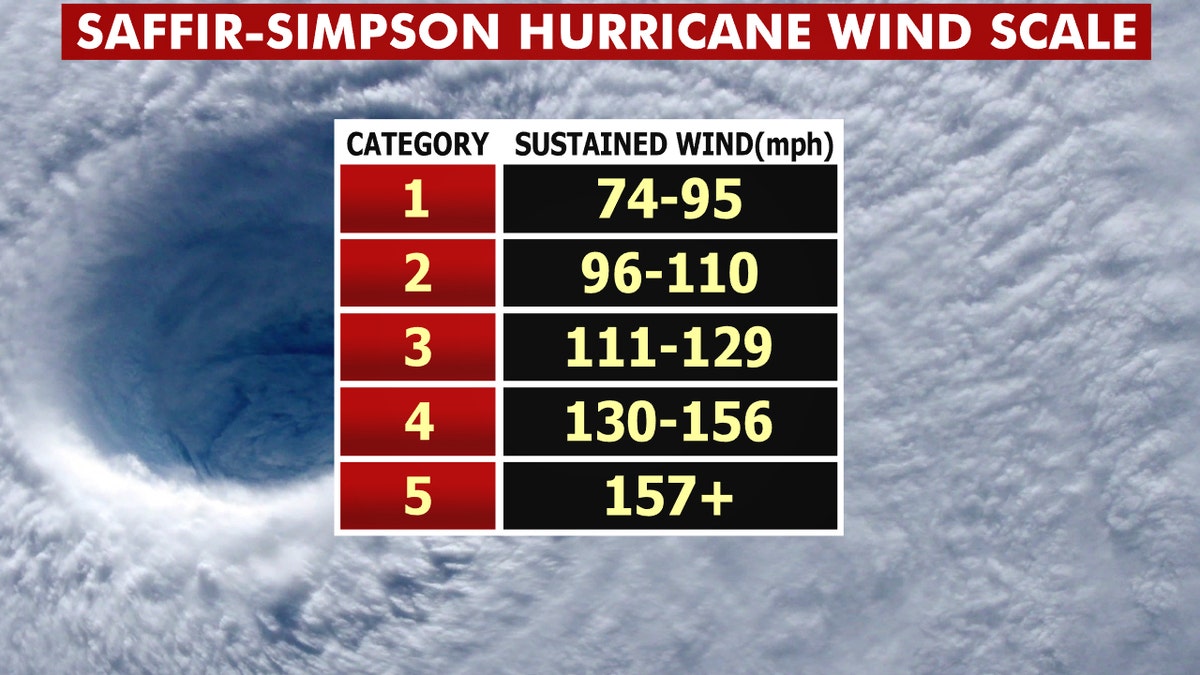
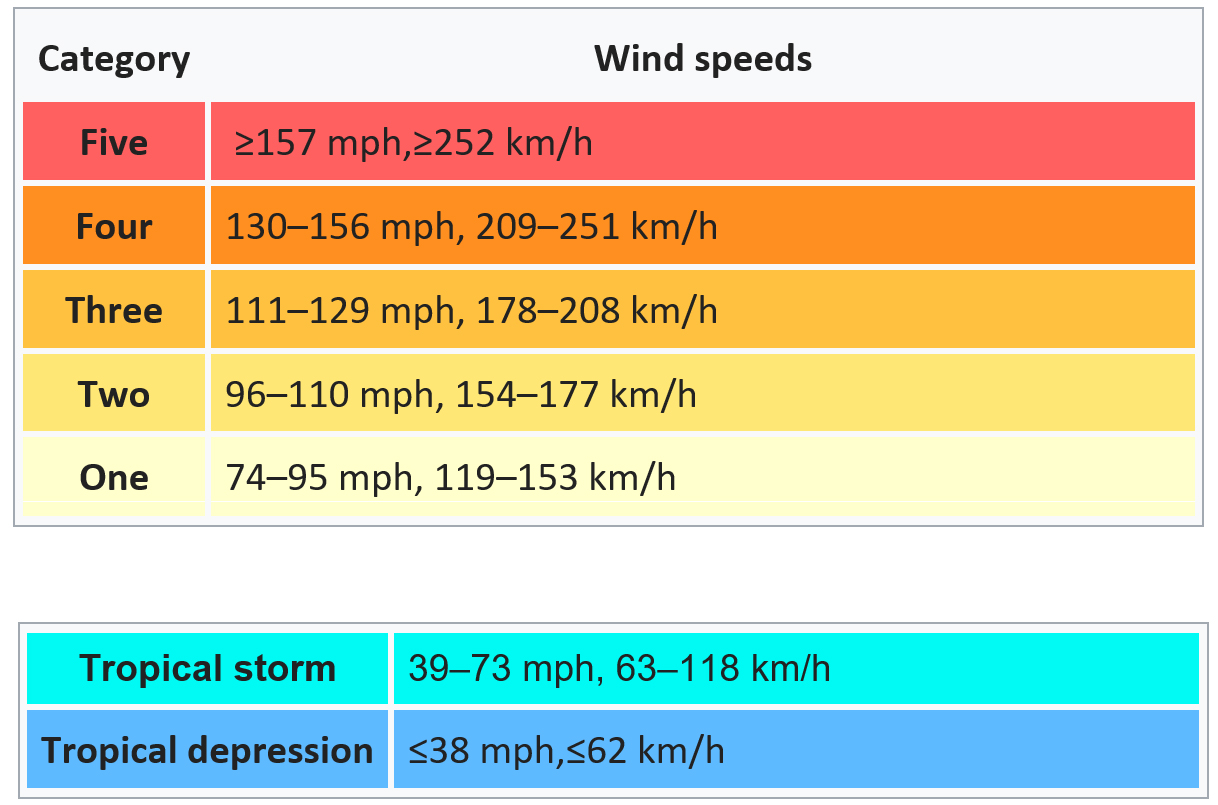
Okay, so we've got the Saffir-Simpson Hurricane Wind Scale. Catchy name, right? Basically, it’s how we rate these monstrous storms. Think of it like a difficulty setting in a video game, but instead of losing lives, you might lose your roof. Or, you know, a whole chunk of coastline.
Must Read
A Category 1, bless its heart, kicks things off. Winds from 74-95 mph. That’s enough to make your patio furniture do a little dance and maybe knock out power for a bit. Annoying? Yes. Devastating? Not usually the whole town, thank goodness. You're probably looking at some broken branches and maybe a few shingles taking flight. Still, don't underestimate it, especially if you're not used to high winds.
Then comes Category 2 (96-110 mph). Now we're talking about more significant damage. You're definitely seeing trees uprooted, and maybe some poorly constructed mobile homes getting a pretty rough ride. Power outages are more widespread. It's like Cat 1's bigger, meaner sibling who also stole its lunch money.

But hold onto your hats, because things get serious at Category 3 (111-129 mph). This is where a hurricane becomes a "major" hurricane. Say goodbye to many trees, hello to structural damage on well-built homes. Forget just shingles; we're talking about whole sections of roofs peeling off. And the storm surge? Oh, that’s becoming a serious threat now, too. This isn't just a bad storm; this is a life-altering event for many.
Up next: Category 4 (130-156 mph). Imagine Cat 3, but with a super-caffeinated energy drink. Extreme damage. You're looking at widespread destruction of homes, trees, and power lines. Areas can be uninhabitable for weeks or months. It’s the kind of storm that makes national news for all the wrong reasons. The landscape literally changes.

And then… the big daddy. The grand kahuna. The absolute beast: Category 5. Winds 157 mph or higher. This isn't just "damage." This is catastrophic destruction. Most homes are destroyed, not just damaged. Power outages can last for months. Entire communities can be wiped off the map. We’re talking about permanent changes to coastlines and landscapes. Think about Hurricane Andrew in '92, or Dorian in the Bahamas – those are the nightmares that Cat 5s can bring. It’s like nature decided to just push the "reset" button on everything in its path.
Is There a "Max Out" Point?
So, can they just keep getting stronger forever? Or is there, like, a physical limit? Good question! Scientists talk about something called the "Maximum Potential Intensity". It's not a fixed number, but more of a theoretical ceiling for any given hurricane, dictated by the environment it's in.
What helps a hurricane beef up? Two main things: really warm ocean water (think 80°F or higher, and deep, too) and low wind shear. Wind shear is basically strong winds blowing from different directions at different altitudes, which can tear a hurricane apart before it even gets its act together. Like trying to build a perfectly stable house in a crosswind – not gonna happen.
If you've got bathtub-warm water for miles and miles, and no wind shear messing things up, a storm can just keep sucking up energy and growing. Think of it as an all-you-can-eat buffet for hurricanes. They just feast and feast until something finally gives, like cooler water or land.
The strongest recorded Atlantic hurricane to make landfall in the U.S. was the 1935 Labor Day Hurricane in the Florida Keys, packing winds of 185 mph. That's just bananas, right? And while thankfully rare, storms like Hurricane Wilma (2005) or Patricia (2015 in the Pacific, a mind-blowing 215 mph!) show just how much power Mother Nature can unleash.
We're talking about energy equivalent to multiple atomic bombs exploding every second. No, seriously. The kinetic energy alone is staggering. It’s not just a weather event; it’s a force that reshapes the world, even if only temporarily.
So, What's the Takeaway?
Hurricanes are amazing, terrifying, and incredibly powerful. While a "Category 6" isn't officially on the books, a strong Category 5 is already pushing the very limits of what we can imagine surviving comfortably. It's a reminder that no matter how advanced we get, nature still holds the ultimate trump card. So next time you hear "hurricane warning," maybe just give it the respect it deserves, okay? Because these things are no joke.